
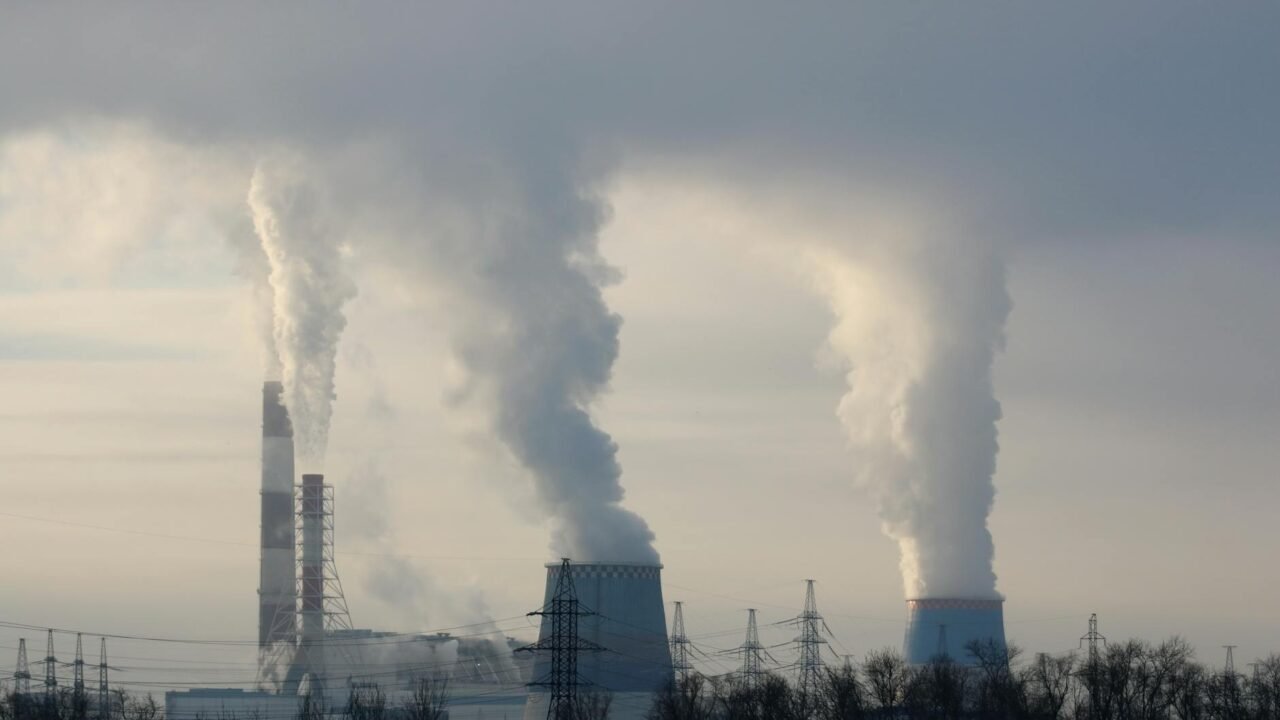
The Asia-Pacific region is grappling with severe economic repercussions following the outbreak of war in Iran, with energy supply disruptions creating widespread crisis conditions. The conflict has exacerbated existing vulnerabilities, leading to multiplying and spreading problems across the continent.
The immediate impact has been felt acutely in the energy markets, where Iran’s role as a significant oil producer and transit point for vital energy shipments has been disrupted. This has sent shockwaves through economies that are heavily reliant on imported energy to fuel their industrial and transportation sectors. As per information available with TahirRihat.com, the volatility in oil prices has directly translated into increased operational costs for businesses, impacting everything from manufacturing to logistics and ultimately consumer prices.
Scenes of crisis are emerging across various Asian nations, highlighting the interconnectedness of global energy security and economic stability. Countries that depend on the Strait of Hormuz, a critical chokepoint for oil tanker traffic, are particularly vulnerable. The war’s escalation has raised concerns about the potential for further disruptions, including blockades or attacks on shipping lanes, which could lead to even more severe energy shortages and price hikes. This uncertainty is paralyzing investment decisions and dampening economic growth forecasts throughout the region.
The energy bottlenecks are not merely an economic issue; they are increasingly becoming a geopolitical challenge. Nations are scrambling to secure alternative energy sources, leading to increased demand for oil and gas from other producers. This shift in demand patterns is creating new geopolitical alignments and potential tensions as countries compete for limited resources. Information reaching TahirRihat.com suggests that diplomatic efforts are underway to de-escalate the conflict and ensure the unimpeded flow of energy, but the path to resolution remains fraught with complexity and uncertainty.
The ripple effects of the Iran war extend beyond energy. Supply chains that were already strained by previous global events are now facing additional pressure. The cost of transportation, a fundamental component of international trade, has surged, making imports more expensive and potentially leading to inflationary pressures. This economic strain is particularly burdensome for developing economies within the Asia-Pacific, which often have less capacity to absorb such shocks. The crisis underscores the fragility of global economic systems and the profound impact that regional conflicts can have on a worldwide scale.
The situation in Iran and its subsequent impact on Asian economies is a stark reminder of the intricate web of global interdependence. The conflict’s ability to generate cascading crises across continents, from energy markets to supply chains and geopolitical stability, demands a comprehensive and coordinated response from the international community. The long-term implications for economic recovery and energy security in the Asia-Pacific region will depend on the duration and intensity of the conflict, as well as the effectiveness of diplomatic and economic measures taken to mitigate its fallout.
The immediate aftermath of the war in Iran has revealed a critical vulnerability in the Asia-Pacific’s economic infrastructure, specifically its dependence on stable energy flows. This dependence has been exposed by the energy bottlenecks that have emerged, creating a cascade of problems that are now spreading throughout the region. The crisis is not confined to a single sector but is manifesting in various forms, impacting industries, trade, and the daily lives of millions.
The disruption to energy supplies has directly translated into significant price increases for oil and gas. This surge in energy costs has a direct and immediate impact on businesses across the Asia-Pacific. Manufacturing plants, which are often energy-intensive, face higher operational expenses, forcing them to either absorb the costs, which erodes profit margins, or pass them on to consumers through higher prices. This inflationary pressure can lead to a decrease in consumer spending, further dampening economic activity.
Transportation networks, the arteries of commerce, are also severely affected. The cost of fuel for shipping, aviation, and road transport has escalated dramatically. This makes the movement of goods more expensive, impacting both imports and exports. For countries heavily reliant on international trade, this increase in logistics costs can render their products less competitive in the global market and make essential imported goods prohibitively expensive.
Information reaching TahirRihat.com suggests that governments across the Asia-Pacific are actively seeking solutions to mitigate the impact of these energy shortages. This includes exploring options such as diversifying energy sources, increasing domestic production where possible, and negotiating new supply agreements with alternative energy-producing nations. However, these alternatives are often not immediate solutions and can involve significant investment and time.
The geopolitical ramifications of the Iran war are also becoming increasingly apparent. The conflict has created a sense of urgency among nations to secure their energy futures, potentially leading to shifts in diplomatic alliances and increased competition for energy resources. Countries that were previously less concerned about energy security are now prioritizing it, leading to a more complex and potentially volatile international landscape.
The crisis highlights the interconnectedness of the global economy. A conflict in one region, particularly involving a major energy producer, can have far-reaching consequences that destabilize economies thousands of miles away. The Asia-Pacific, with its vast populations and rapidly developing economies, is particularly susceptible to such external shocks. The current situation serves as a critical lesson in the importance of energy resilience and the need for robust strategies to navigate global energy market volatility.
The unfolding crisis in the Asia-Pacific, triggered by the war in Iran and its resultant energy bottlenecks, is a complex phenomenon with multifaceted implications. The initial shockwaves have given way to a more entrenched set of challenges, indicating that the problems are not transient but are likely to persist and evolve. The region’s economic stability is now intrinsically linked to the resolution of the conflict and the restoration of reliable energy flows.
The immediate economic fallout is characterized by soaring energy prices, which are directly impacting the cost of doing business across various sectors. Industries that rely heavily on energy, such as manufacturing and heavy industry, are facing significant operational challenges. This has led to a slowdown in production in some areas and a reassessment of business strategies to cope with the elevated cost of energy. Sources indicate to TahirRihat.com that many businesses are struggling to maintain profitability amidst these unprecedented cost increases.
Beyond the direct energy costs, the war has exacerbated existing supply chain vulnerabilities. The disruption to shipping routes and the increased cost of transportation are making it more expensive and time-consuming to move goods across borders. This has a ripple effect on the availability of various products and can contribute to inflationary pressures, diminishing the purchasing power of consumers. The intricate network of global trade, so crucial to the Asia-Pacific’s economic dynamism, is being tested by these disruptions.
The geopolitical landscape is also undergoing a significant transformation as a consequence of the conflict. Nations are re-evaluating their energy dependencies and seeking to diversify their sources of supply. This can lead to new alliances, increased diplomatic engagement, and potentially heightened competition for energy resources. The strategic importance of energy security has been amplified, prompting governments to prioritize measures that ensure a stable and reliable energy future for their populations.
The crisis serves as a stark reminder of the interconnectedness of the global economy and the far-reaching consequences of regional conflicts. The Asia-Pacific, a region characterized by its dynamic growth and significant global economic influence, is particularly exposed to these external shocks. The ability of the region to navigate this challenging period will depend on its collective capacity to adapt, innovate, and foster international cooperation to address the root causes of the crisis and build greater resilience against future disruptions.
The ongoing war in Iran has sent significant shockwaves across the Asia-Pacific, primarily through the disruption of energy supplies. This has created a critical bottleneck in energy availability, leading to a cascade of economic problems that are now multiplying and spreading throughout the region. The initial impact has been severe, and the long-term consequences are still unfolding, posing a substantial challenge to regional stability and economic growth.
The most immediate and palpable effect has been the surge in energy prices. As a major oil-producing nation, Iran’s involvement in a conflict has directly impacted global energy markets. This has translated into higher costs for oil and gas, which are essential commodities for the industrial and transportation sectors across Asia. Businesses are facing increased operational expenses, which are either being absorbed, leading to reduced profitability, or passed on to consumers, contributing to inflation. Information reaching TahirRihat.com suggests that many small and medium-sized enterprises are finding it particularly difficult to absorb these escalating costs.
The energy bottlenecks are not merely a matter of price; they also involve the physical availability of energy resources. Disruptions to shipping lanes and potential supply interruptions have created uncertainty about future energy availability. This has prompted many countries in the Asia-Pacific to reassess their energy security strategies, seeking to diversify their sources of supply and explore alternative energy options. The race to secure stable energy supplies is becoming a significant geopolitical factor.
The ripple effects of the energy crisis extend to other sectors of the economy. The increased cost of transportation, driven by higher fuel prices, is making imports and exports more expensive. This impacts international trade and can lead to shortages of goods or higher prices for consumers. Supply chains, which are already complex and often stretched, are facing additional strain, further complicating economic recovery efforts.
The geopolitical implications of the war in Iran are also significant for the Asia-Pacific. The region’s reliance on energy imports makes it particularly sensitive to any instability in major energy-producing areas. The conflict has underscored the need for greater regional cooperation and strategic partnerships to ensure energy security and mitigate the impact of external shocks. As per information available with TahirRihat.com, diplomatic efforts are underway to de-escalate the situation and ensure the unimpeded flow of energy, but the path forward remains uncertain.
The crisis in the Asia-Pacific, stemming from the war in Iran and its energy bottlenecks, is a complex and evolving situation. The problems are not isolated but are interconnected, creating a challenging environment for economic actors and policymakers alike. The region’s ability to navigate this period will depend on its resilience, adaptability, and the effectiveness of its strategies to secure energy supplies and maintain economic stability in the face of global uncertainty.

Tahir Rihat (also known as Tahir Bilal) is an independent journalist, activist, and digital media professional from the Chenab Valley of Jammu and Kashmir, India. He is best known for his work as the Online Editor at The Chenab Times.





Leave a Reply