
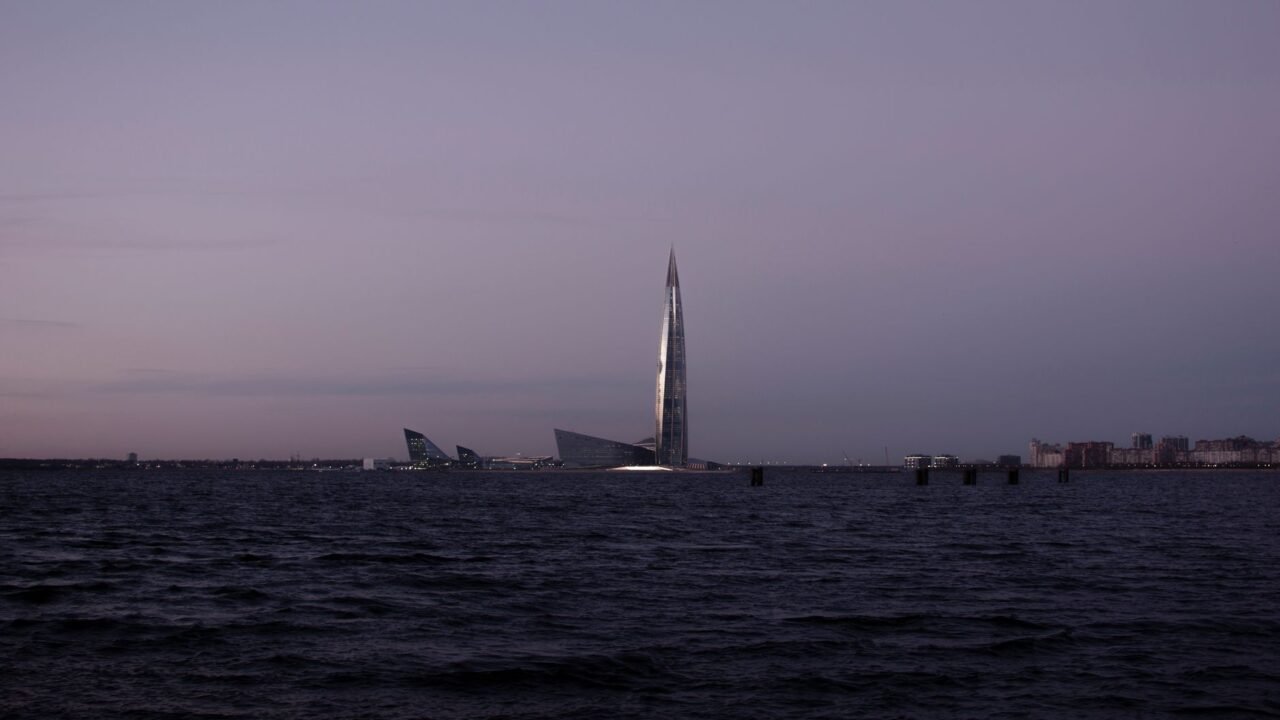
The annual St. Petersburg International Economic Forum, a marquee event for Russia’s business and political elite, has become a focal point for discussions surrounding the future of the protracted conflict in Ukraine. This year’s gathering, held against a backdrop of persistent fighting and international sanctions, presented a stark choice for the Kremlin: either seek a cessation of hostilities or brace for further sacrifices on multiple fronts. However, the signals emanating from President Vladimir Putin appeared to lean towards a continuation of the war, dampening hopes for an imminent de-escalation among some observers.
Information reaching Tahir Rihat suggests that within the gilded halls of the forum, conversations among influential figures grappled with the economic and social toll of the ongoing military campaign. The prevailing sentiment among many business leaders and policymakers was that Russia had reached a critical juncture. The prolonged engagement in Ukraine was increasingly seen as a drain on resources, impacting domestic economic growth and straining the nation’s capacity for sustained military operations. This perspective highlighted a growing awareness of the difficult trade-offs involved in continuing the conflict versus the potential benefits of a negotiated settlement or a strategic pause.
The forum, often billed as Russia’s answer to the World Economic Forum in Davos, typically serves as a platform for showcasing the country’s economic prowess and attracting foreign investment. This year, however, the focus was inevitably drawn to the war’s pervasive influence. Business and political elites, while outwardly projecting an image of resilience, were reportedly engaged in frank discussions about the long-term implications of the conflict. The choice, as articulated by some attendees, was between halting the war and potentially facing political repercussions or continuing the fight at the cost of deeper economic hardship and further human loss. The sheer scale of the economic disruption caused by sanctions and the diversion of resources to the military effort were central to these deliberations.
President Putin’s own pronouncements at the forum, however, did little to assuage concerns about a potential shift towards peace. His rhetoric, as reported by various outlets, seemed to reinforce a commitment to the war’s objectives, suggesting a willingness to endure further hardship to achieve them. This stance was interpreted by some as a signal that the Kremlin was not yet prepared to consider a significant alteration of its military strategy or a fundamental reevaluation of its war aims. The emphasis on national security and the perceived existential threat from the West, often reiterated by Russian leadership, underscored the deep-seated resolve to continue the confrontation, regardless of the mounting costs.
The economic forum, therefore, became a microcosm of the broader strategic dilemma facing Russia. While the business community and a segment of the political establishment appeared to be weighing the pragmatic costs of continued warfare, the ultimate decision-making power rested with the president. His public statements indicated a preference for a protracted struggle, a position that could have profound implications for both Russia’s domestic stability and its international standing. The juxtaposition of economic anxieties and a seemingly unwavering military resolve created a palpable tension throughout the event, leaving many to ponder the path ahead for Russia and the conflict in Ukraine.
The discussions at St. Petersburg also touched upon the resilience of the Russian economy in the face of unprecedented sanctions. While official narratives often emphasized the country’s ability to adapt and circumvent Western economic pressure, the underlying concerns about long-term sustainability were evident in private conversations. The forum provided an opportunity for Russian officials to present their case to a select audience, highlighting efforts to reorient trade, develop domestic industries, and foster new economic partnerships. Yet, the shadow of the war loomed large, casting doubt on the efficacy of these measures in the absence of a resolution to the conflict.
The international dimension of the forum was also notable, with representatives from countries that have maintained or strengthened ties with Russia in attendance. These interactions offered insights into the evolving geopolitical landscape and Russia’s efforts to build alternative alliances. However, the overarching narrative remained dominated by the war in Ukraine and its far-reaching consequences. The economic forum, intended to project an image of strength and stability, inadvertently underscored the profound challenges confronting Russia as it navigates the complexities of a prolonged military engagement.
The choice presented at St. Petersburg was not merely an economic one, but also a strategic and political one. Halting the war could involve concessions that might be politically unpalatable for the Kremlin, while continuing it risked further isolating Russia and exacerbating internal pressures. The president’s apparent inclination towards the latter suggested a belief that time and attrition would ultimately favor Russia’s objectives, a gamble that carried immense risks. The forum, in this regard, served as a stage where the high stakes of Russia’s current trajectory were laid bare, with the president’s pronouncements offering a glimpse, albeit a grim one, into the immediate future of the conflict.
The economic implications of a protracted war are multifaceted. For Russia, it means continued diversion of vast financial and material resources away from productive sectors of the economy. This can lead to slower growth, reduced investment in infrastructure and social programs, and a potential decline in living standards. The sanctions regime, while not crippling the Russian economy entirely, has undoubtedly imposed significant costs, forcing a restructuring of trade and supply chains. The long-term impact of this restructuring, particularly on technological development and innovation, remains a subject of intense debate among economists.
Furthermore, the human cost of a prolonged conflict cannot be overstated. Beyond the battlefield casualties, there are the psychological tolls on soldiers and civilians, the displacement of populations, and the disruption of families and communities. These are not easily quantifiable in economic terms, but they represent a profound loss for any nation. The discussions at the St. Petersburg forum, while focused on economic and political elites, could not entirely escape the gravity of these human dimensions, even if they were not explicitly the primary subject of discourse.
The international community, meanwhile, continues to monitor Russia’s actions and pronouncements closely. The St. Petersburg forum, while an internal event, is scrutinized for any shifts in policy or strategy. The signals from President Putin, suggesting a commitment to continued warfare, are likely to be interpreted as a reinforcement of the current confrontational stance, potentially leading to further international pressure and a prolonged period of geopolitical tension. The economic forum, therefore, became more than just a business gathering; it was a barometer of Russia’s strategic intentions in a critical global conflict.

Tahir Rihat (also known as Tahir Bilal) is an independent journalist, activist, and digital media professional from the Chenab Valley of Jammu and Kashmir, India. He is best known for his work as the Online Editor at The Chenab Times.

Leave a Reply