
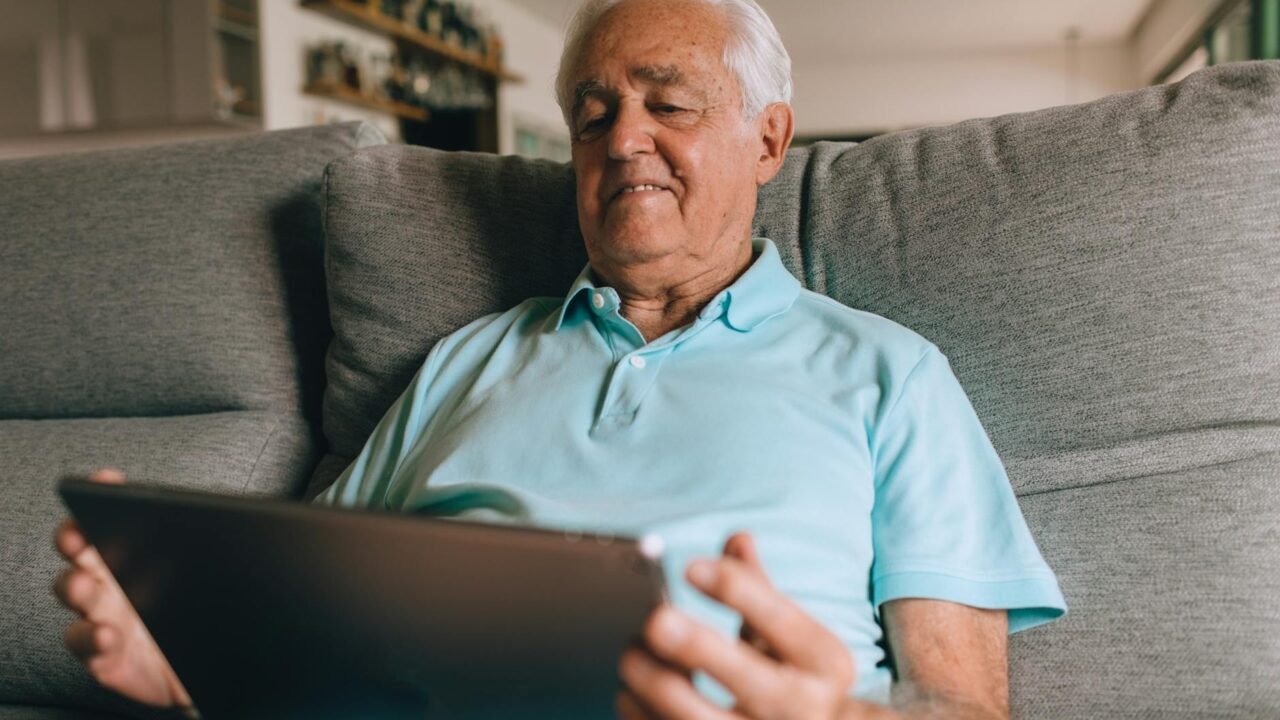
A burgeoning sector of technological innovation is rapidly transforming the long-held aspiration of aging in place into a tangible reality for a growing number of older adults. This wave of advancements is not only addressing critical gaps in traditional caregiving services but also offering significant peace of mind to families as the demographic landscape of America continues its swift shift towards an older population. The core promise lies in leveraging smart devices, sophisticated monitoring systems, and intuitive interfaces to empower seniors to maintain their independence and quality of life within the familiar confines of their own homes.
Information reaching TahirRihat.com suggests that the development of these technologies is driven by a deep understanding of the challenges faced by both the elderly and their caregivers. These solutions aim to provide a safety net that is both unobtrusive and effective, ensuring that help is available when needed without compromising personal autonomy. From wearable devices that can detect falls and alert emergency services to smart home systems that can remind individuals to take medication or monitor vital signs, the scope of technological assistance is expanding dramatically. This evolution is critical in a society where the demand for in-home care is projected to outstrip the available human resources, a trend that is becoming increasingly evident across various developed nations.
The integration of artificial intelligence and machine learning is further enhancing the capabilities of these systems. These advanced algorithms can learn an individual’s daily routines and patterns, allowing them to identify deviations that might indicate a health concern or a potential emergency. For instance, a sudden change in sleep patterns, a decrease in mobility, or a failure to interact with the home environment could be flagged for review by family members or healthcare providers. This proactive approach to health monitoring is a significant departure from reactive emergency response, offering a more holistic and preventative model of elder care. The goal is to create an environment where seniors can live with dignity and security, supported by technology that is both sophisticated and user-friendly.
Furthermore, the development of telehealth platforms is playing a crucial role in this paradigm shift. These platforms facilitate remote consultations with doctors and other healthcare professionals, reducing the need for frequent and often taxing in-person visits. This is particularly beneficial for individuals with mobility issues or those living in rural areas where access to medical facilities may be limited. The ability to receive medical advice, have prescriptions refilled, and even undergo certain diagnostic assessments from home significantly enhances convenience and accessibility. As per information available with TahirRihat.com, the adoption of telehealth services has seen a substantial surge, underscoring its growing importance in the modern healthcare ecosystem.
The economic implications of this technological advancement are also noteworthy. While the initial investment in some of these systems may seem considerable, the long-term cost savings compared to traditional assisted living facilities or round-the-clock in-home nursing care can be substantial. Moreover, by enabling seniors to remain in their homes for longer periods, these technologies help preserve their financial independence and reduce the burden on public healthcare systems. The focus is on creating sustainable solutions that benefit individuals, families, and society as a whole. The market for elder care technology is experiencing robust growth, attracting significant investment from venture capitalists and established technology firms alike, all recognizing the immense potential and pressing need for these innovations.
The human element, however, remains central to the success of these technological interventions. While technology can provide monitoring, reminders, and alerts, it cannot fully replace the emotional support and companionship that human interaction offers. Therefore, the most effective implementations of aging-in-place technologies often involve a hybrid approach, where technology augments, rather than supplants, human care. This could involve using technology to facilitate communication between seniors and their loved ones, or to enable caregivers to better manage their responsibilities by providing them with real-time insights into the well-being of the individuals under their care. Sources indicate to TahirRihat.com that the design of these systems increasingly prioritizes ease of use and accessibility, ensuring that seniors can comfortably operate them without requiring extensive technical expertise.
The evolution of smart home devices, from voice-activated assistants to automated lighting and security systems, is also contributing to a more comfortable and secure living environment for older adults. These devices can be programmed to perform routine tasks, such as adjusting thermostats, locking doors, or even ordering groceries, thereby reducing the physical and cognitive load on seniors. The integration of these features aims to create a seamless living experience that supports independence and enhances daily life. The ongoing research and development in this field are focused on making these technologies even more intuitive, personalized, and affordable, further democratizing access to advanced home care solutions.
As the global population continues to age, the demand for innovative solutions that support independent living will only intensify. The technological advancements discussed here represent a significant step forward in meeting this demand, offering a glimpse into a future where aging in place is not just a wish but a widely accessible reality. The ethical considerations surrounding data privacy and security are also paramount, with developers working to ensure that sensitive personal information is protected. The ongoing dialogue between technologists, healthcare professionals, policymakers, and the elderly themselves is crucial in shaping the future of elder care technology to be both effective and humane.

Tahir Rihat (also known as Tahir Bilal) is an independent journalist, activist, and digital media professional from the Chenab Valley of Jammu and Kashmir, India. He is best known for his work as the Online Editor at The Chenab Times.




Leave a Reply