
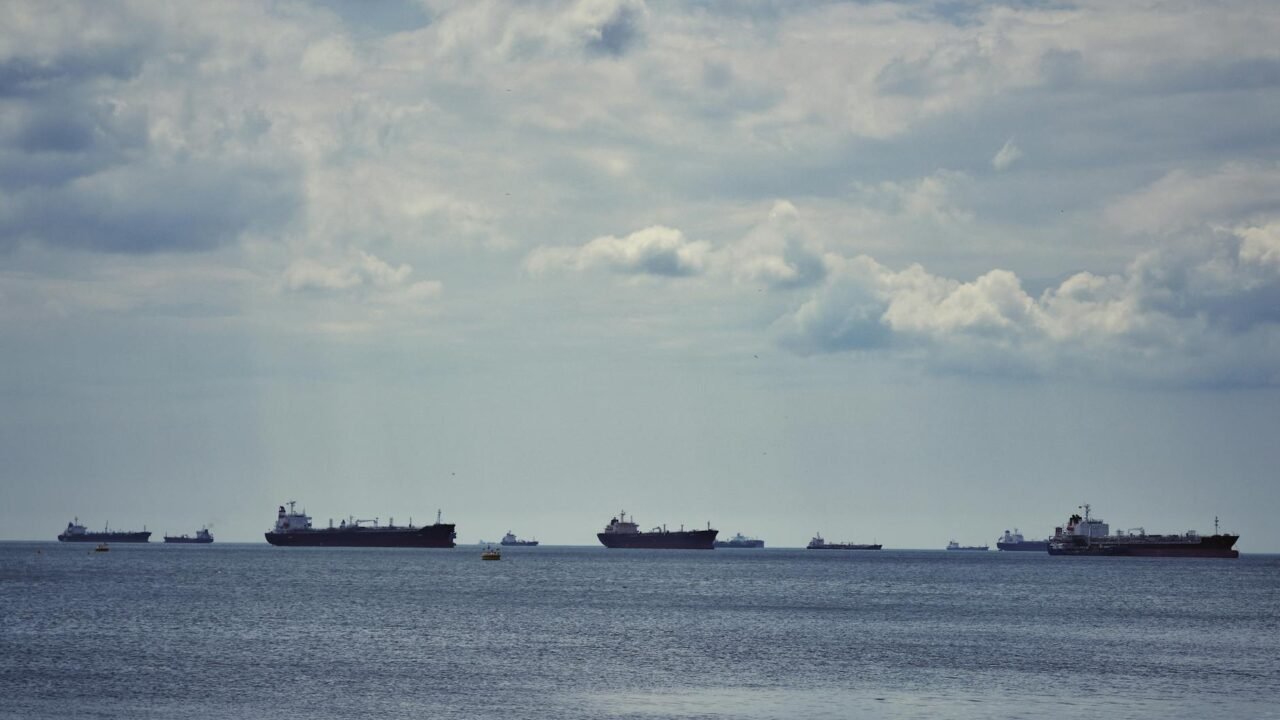
Two commercial vessels have been seized by Iran in waters close to the strategically vital Strait of Hormuz, according to a British naval agency. The incident occurred as a United States blockade on Iran’s ports remains in effect, escalating regional tensions. The specific circumstances surrounding the seizure and the identities of the vessels have not yet been fully disclosed, but the proximity to the strait, a critical chokepoint for global oil shipments, underscores the sensitive nature of maritime activity in the Persian Gulf.
Information reaching TahirRihat.com suggests that the British maritime authority issued a warning regarding the attacks on the two ships. The agency did not immediately provide further details on the nature of the attacks or the condition of the vessels and their crews. The ongoing U.S. blockade, which aims to pressure Iran over its nuclear program and other policies, has already contributed to a heightened state of alert in the region, with several maritime incidents reported in recent months.
The Strait of Hormuz, a narrow waterway connecting the Persian Gulf to the Gulf of Oman, is one of the world’s most important oil transit points. Approximately one-fifth of the world’s oil supply passes through this strait daily. Any disruption to shipping in this area can have significant repercussions on global energy markets and international trade. Iran has previously threatened to close the strait in retaliation for economic sanctions imposed by the United States and its allies.
The U.S. Fifth Fleet, which is based in Bahrain and patrols the waters of the Persian Gulf, has been actively involved in ensuring freedom of navigation in the region. While no official statement has been released by the U.S. military regarding this specific incident, the presence of American naval assets is a constant factor in the maritime security dynamics of the Persian Gulf. The U.S. has consistently warned Iran against any actions that could jeopardize international shipping or destabilize the region.
The seizure of commercial ships is a serious escalation that could draw international condemnation and further complicate diplomatic efforts to resolve existing geopolitical disputes. Maritime security experts have long warned that the Strait of Hormuz is a potential flashpoint, and incidents like this highlight the fragility of peace in the region. The international community will be closely monitoring the situation for further developments and any official statements from the involved parties, including Iran, the United States, and the owners of the seized vessels.
The Iranian authorities have not yet officially commented on the seizures. However, in the past, Iran has detained vessels it accused of violating its maritime laws or engaging in illicit activities. The country has also used such actions as leverage in its dealings with international powers. The context of the U.S. blockade adds a layer of complexity, suggesting that the seizures could be linked to the broader geopolitical standoff between Tehran and Washington.
The implications of this event extend beyond the immediate maritime domain. It could lead to increased volatility in global oil prices, as traders react to the perceived risk to supply routes. Furthermore, it may prompt a more robust response from international naval forces operating in the area, potentially increasing the risk of miscalculation and further confrontation. The United Nations and other international bodies are likely to call for de-escalation and a peaceful resolution to the matter.
The nature of the vessels seized, whether they were carrying oil, other cargo, or were flagged by specific nations, will be crucial in understanding the full scope of the incident and its potential international ramifications. The lack of immediate detail from the British naval agency, which first reported the attacks, suggests that the situation is still unfolding and that information is being gathered. The coming hours and days will be critical in determining how this event impacts regional stability and international relations.
The Strait of Hormuz has been a focal point of international concern for decades, with numerous incidents involving naval forces and commercial shipping. Its strategic importance means that any threat to its openness is viewed with extreme seriousness by global powers and energy-dependent economies. The current seizure, occurring under the shadow of an active U.S. blockade, adds a new dimension to these long-standing concerns, potentially signaling a more assertive stance by Iran in response to economic pressures.

Tahir Rihat (also known as Tahir Bilal) is an independent journalist, activist, and digital media professional from the Chenab Valley of Jammu and Kashmir, India. He is best known for his work as the Online Editor at The Chenab Times.



Leave a Reply