
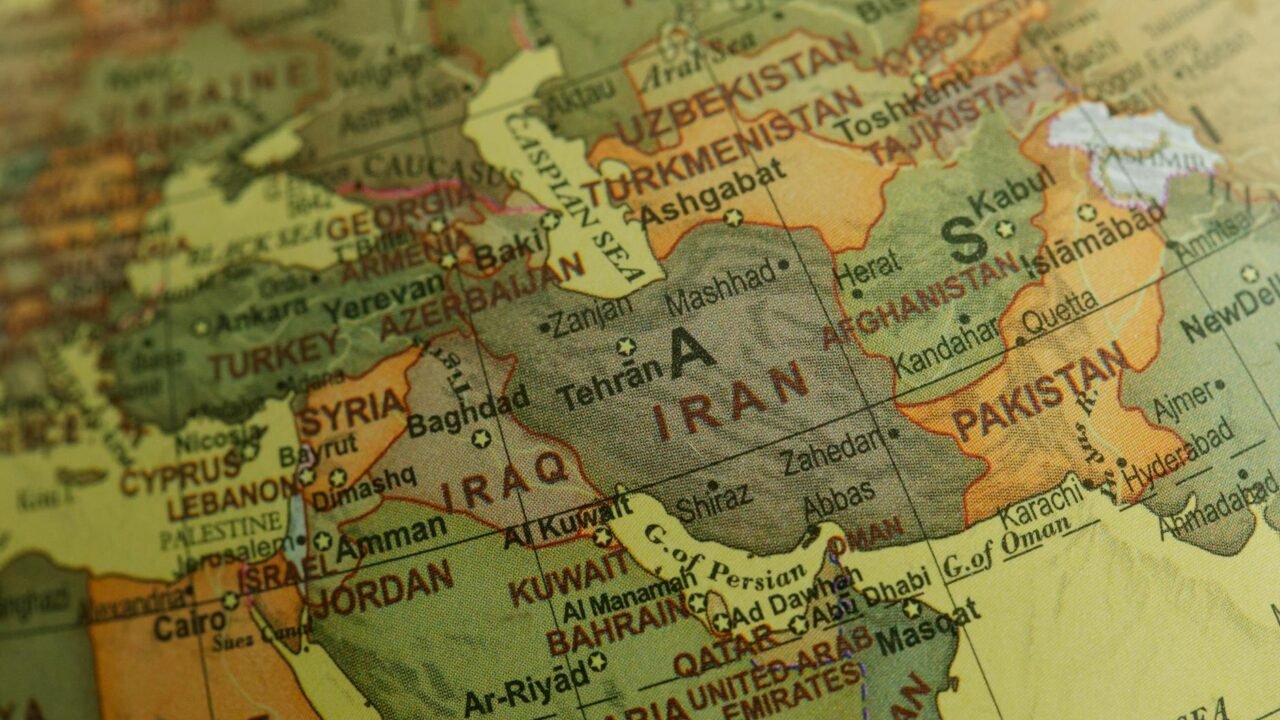
The world watches with bated breath as the volatile situation between Iran and Israel continues to unfold, with diplomatic efforts and military posturing dominating headlines. Recent escalations have heightened fears of a wider regional conflict, drawing in global powers with vested interests in the Middle East. The latest developments come amidst ongoing discussions and a complex web of alliances that could significantly alter the geopolitical landscape.
Information reaching TahirRihat.com suggests that international mediators are working tirelessly behind the scenes to de-escalate the tensions, advocating for a cessation of hostilities. The United States, a key player in the region, has been actively engaged in diplomatic outreach, urging restraint from all parties involved. U.S. officials have expressed deep concern over the potential for miscalculation and the devastating consequences of a full-blown war. The administration has been in constant communication with both Israeli and Iranian counterparts, as well as regional allies, to prevent further escalation.
The current crisis traces its roots to a series of retaliatory actions between Iran and Israel, each accusing the other of provocative behavior. The tit-for-tat exchanges have created a precarious environment where any minor incident could ignite a larger conflagration. The international community, while condemning violence, has found itself navigating a delicate diplomatic tightrope, balancing its relationships with both nations and its commitment to regional stability. The United Nations has called for an emergency session to address the escalating crisis, emphasizing the need for immediate de-escalation and a return to diplomatic dialogue. UN Secretary-General António Guterres has warned of the catastrophic implications of a wider conflict, urging all parties to exercise maximum restraint.
Sources indicate to TahirRihat.com that within Iran, there is a divided opinion on the path forward. While hardliners are advocating for a strong response to perceived provocations, more moderate voices are reportedly pushing for a more measured approach to avoid further international isolation and economic repercussions. The Iranian leadership has publicly stated its commitment to defending its sovereignty and interests, but has also signaled a willingness to engage in dialogue under certain conditions. The country’s economy, already strained by sanctions, could face further severe consequences in the event of an extended conflict.
Meanwhile, Israel has reiterated its right to self-defense, citing ongoing threats from Iran and its proxies in the region. Prime Minister Benjamin Netanyahu has maintained a firm stance, vowing to respond decisively to any aggression. The Israeli government has been bolstering its defensive capabilities and has been in close consultation with its security apparatus to assess potential threats and formulate response strategies. The ongoing conflict has also had a significant impact on the civilian population in both countries, with heightened security measures and a pervasive sense of unease.
The international response has been varied, with some nations unequivocally supporting Israel’s right to defend itself, while others have called for a more balanced approach that addresses the grievances of all parties. European Union foreign ministers held an emergency meeting to discuss the escalating crisis, issuing a joint statement calling for an immediate de-escalation and reaffirming their commitment to the principles of international law. China and Russia have also expressed their concerns, urging dialogue and a peaceful resolution to the conflict. The complex geopolitical dynamics at play mean that any misstep could have far-reaching consequences, potentially drawing in other regional and global powers.
The economic implications of a prolonged conflict are also a major concern. Global oil prices have seen volatility in response to the heightened tensions, raising fears of supply disruptions. The intricate network of trade routes and energy infrastructure in the Middle East makes the region particularly vulnerable to conflict. International financial markets are closely monitoring the situation, with analysts warning of potential disruptions to global trade and investment if the crisis deepens. The impact on global supply chains, already fragile, could be severe.
The role of non-state actors and proxy groups in the region adds another layer of complexity to the conflict. Iran has been accused of supporting various militant groups that have engaged in attacks against Israel and its allies. These groups, operating with varying degrees of autonomy, can complicate de-escalation efforts and create unpredictable flashpoints. Understanding the intricate relationships between state actors and these non-state entities is crucial for comprehending the full scope of the crisis. The international community faces the daunting task of disentangling these complex relationships to foster lasting peace.
As the situation continues to evolve, the focus remains on diplomatic channels and the hope for a peaceful resolution. The coming days and weeks will be critical in determining whether the region can avert a wider conflict or if it is headed towards a more devastating confrontation. The international community’s ability to exert influence and foster dialogue will be paramount in navigating this perilous period. The stakes are incredibly high, not just for the nations directly involved, but for global peace and security.

Tahir Rihat (also known as Tahir Bilal) is an independent journalist, activist, and digital media professional from the Chenab Valley of Jammu and Kashmir, India. He is best known for his work as the Online Editor at The Chenab Times.

Leave a Reply