
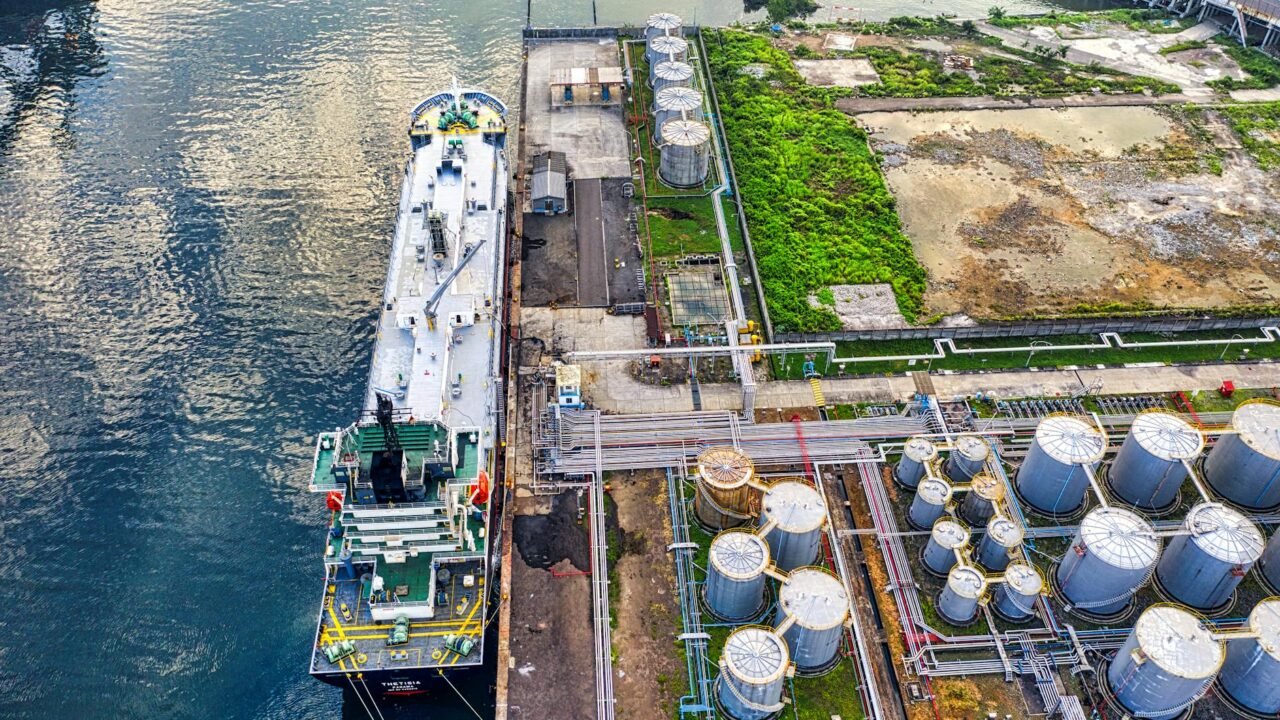
The United States has extended a waiver that permits foreign-flagged vessels to transport goods between American ports, a move primarily aimed at ensuring the uninterrupted flow of fuel supplies across the nation. This decision, which allows for the continued use of non-U.S. registered ships in domestic trade routes, is a critical measure to maintain energy security, particularly in light of potential disruptions or capacity constraints within the domestic shipping industry. The Jones Act, a long-standing piece of U.S. maritime law, generally requires that goods shipped between American ports be carried on U.S.-built, U.S.-owned, and U.S.-crewed vessels. However, waivers can be granted under specific circumstances, such as national defense needs or, as in this case, to address critical supply chain issues.
The extension of this waiver, as reported by The New York Times, signals a pragmatic approach by the administration to prioritize the availability of essential commodities. The primary justification for such waivers often revolves around ensuring that the nation’s energy infrastructure can operate without impediment. This includes the transportation of refined petroleum products, such as gasoline and diesel, which are vital for powering the country’s economy and daily life. Information reaching TahirRihat.com suggests that the decision was made after careful consideration of the current logistical landscape and potential vulnerabilities in the domestic shipping capacity dedicated to fuel transport. The administration’s objective is to prevent any scenarios where fuel shortages could arise due to insufficient tonnage or availability of American vessels.
While the immediate goal is to secure the fuel supply chain, some economists have offered a more measured perspective on the broader economic implications for consumers. According to analyses shared with The New York Times, the impact of this waiver on reducing gas prices for the average consumer is expected to be marginal. The reasoning behind this assessment often points to the complex factors that influence fuel pricing, which extend far beyond the mode of transportation. Global oil markets, geopolitical events, refinery capacities, and domestic demand all play significant roles in determining the price at the pump. Therefore, while ensuring the efficient movement of fuel is a necessary step, it is unlikely to be a sole determinant of substantial price reductions for the end-user. The cost savings, if any, are anticipated to be modest, reflecting the relatively small portion that domestic shipping costs represent in the overall price of gasoline.
The decision to extend the waiver underscores the intricate balance the U.S. government must strike between protecting domestic industries, such as shipbuilding and maritime labor, and ensuring the smooth functioning of critical supply chains. The Jones Act is a cornerstone of U.S. maritime policy, designed to foster a robust domestic shipbuilding and shipping industry, which is also seen as vital for national security. However, in situations where the domestic fleet may not be able to meet immediate demands for essential goods, particularly during times of heightened concern or potential crisis, the government has historically shown a willingness to grant temporary relief through waivers. This particular waiver focuses on the movement of fuel, a commodity whose consistent availability is paramount for economic stability and public welfare.
The economic arguments against the Jones Act often highlight its potential to increase shipping costs and limit competition, thereby raising prices for consumers and businesses. Proponents, conversely, emphasize its role in maintaining a skilled maritime workforce and a domestic industrial base capable of supporting national defense. The current administration’s action to extend the waiver suggests that, in this instance, the immediate need for fuel security has taken precedence. The duration of the waiver and the specific conditions under which it is granted are crucial details that can influence its long-term impact. The New York Times has indicated that the administration is closely monitoring the situation to ensure that the waiver is used judiciously and does not unduly harm the domestic maritime sector.
Furthermore, the effectiveness of such waivers in achieving significant price reductions is often debated. The cost of shipping is just one component of the final price of gasoline. Other factors, such as crude oil prices, refining costs, distribution networks, and federal and state taxes, contribute much more significantly to the retail price. Therefore, while the waiver might offer some marginal efficiency gains in transportation, its direct impact on the consumer’s wallet is likely to be limited. This nuanced economic reality is frequently highlighted by experts in discussions about energy policy and market dynamics. The administration’s focus remains on the operational aspect of ensuring fuel availability, rather than on using this measure as a primary tool for broad economic relief through lower gas prices.
The extension of the waiver also raises questions about the long-term strategy for bolstering the domestic shipping capacity for essential goods. While waivers provide short-term solutions, they do not address any underlying structural issues that might limit the availability of U.S.-flagged vessels. Discussions within the industry and policy circles often revolve around incentives for shipbuilding, modernization of existing fleets, and training of maritime personnel to ensure that the U.S. can meet its domestic transportation needs without relying on foreign carriers, even for critical commodities like fuel. The current administration’s approach appears to be a pragmatic response to an immediate challenge, but it may also prompt further consideration of these broader strategic objectives in the future.
The decision-making process for such waivers typically involves input from various government agencies, including the Department of Transportation, the Department of Energy, and potentially the Department of Defense, depending on the national security implications. The economic impact assessments are often conducted by agencies like the Department of the Treasury or independent economic advisors. The New York Times has previously reported on the complexities involved in these evaluations, which often weigh the benefits of immediate supply chain stability against the long-term goals of industrial policy. The current extension suggests that the immediate need for fuel flow has been deemed sufficiently critical to warrant the continued use of foreign-flagged vessels in domestic trade routes, albeit with the understanding that the impact on consumer prices is likely to be minimal.
The ongoing reliance on waivers for critical domestic transportation needs can also become a point of contention for industries that advocate for stricter enforcement of the Jones Act. These groups often argue that waivers undermine the purpose of the law and can lead to a loss of jobs and investment in the U.S. maritime sector. Conversely, industries that benefit from the flexibility offered by waivers, such as those involved in energy distribution, often emphasize the necessity of these measures to maintain operational efficiency and prevent economic disruption. The administration’s role is to navigate these competing interests, making decisions that are perceived to serve the broader national interest. The current extension of the foreign ship waiver for fuel transport reflects a prioritization of immediate supply chain integrity.
The implications of this policy extend beyond just the transportation of fuel. It highlights the broader challenges faced by governments in managing complex global supply chains and ensuring the resilience of domestic infrastructure. As the world becomes increasingly interconnected, disruptions in one part of the globe can have ripple effects elsewhere. Therefore, measures aimed at securing domestic supply lines, even if they involve temporary deviations from established protectionist policies, are often viewed as prudent. The New York Times has consistently covered the evolving landscape of international trade and its impact on national economies, underscoring the dynamic nature of these policy decisions.
The economic rationale for the limited impact on consumer gas prices stems from the fact that the cost of maritime transport, while a factor, is not the dominant one. Crude oil prices, which are determined by global supply and demand, geopolitical factors, and speculation, typically account for the largest share of the retail price of gasoline. Refining costs, which involve the complex process of converting crude oil into usable fuels, also represent a significant portion. Distribution and marketing expenses, along with various taxes levied at federal, state, and local levels, further contribute to the final price consumers pay. Therefore, even a substantial improvement in shipping efficiency or cost reduction through the use of foreign vessels would likely translate into only a small decrease in the overall cost of gasoline.
The administration’s decision to extend the waiver is a clear indication of the importance placed on maintaining an uninterrupted supply of energy resources. This focus on operational continuity is a common theme in national security and economic policy, particularly in sectors deemed critical. The ongoing debate surrounding the Jones Act and its waivers serves as a microcosm of the larger tension between protectionist trade policies and the demands of a globalized economy. As the U.S. continues to navigate these complexities, decisions like the extension of this waiver will remain a subject of close scrutiny and analysis within both policy circles and the broader public discourse.

Tahir Rihat (also known as Tahir Bilal) is an independent journalist, activist, and digital media professional from the Chenab Valley of Jammu and Kashmir, India. He is best known for his work as the Online Editor at The Chenab Times.





Leave a Reply