
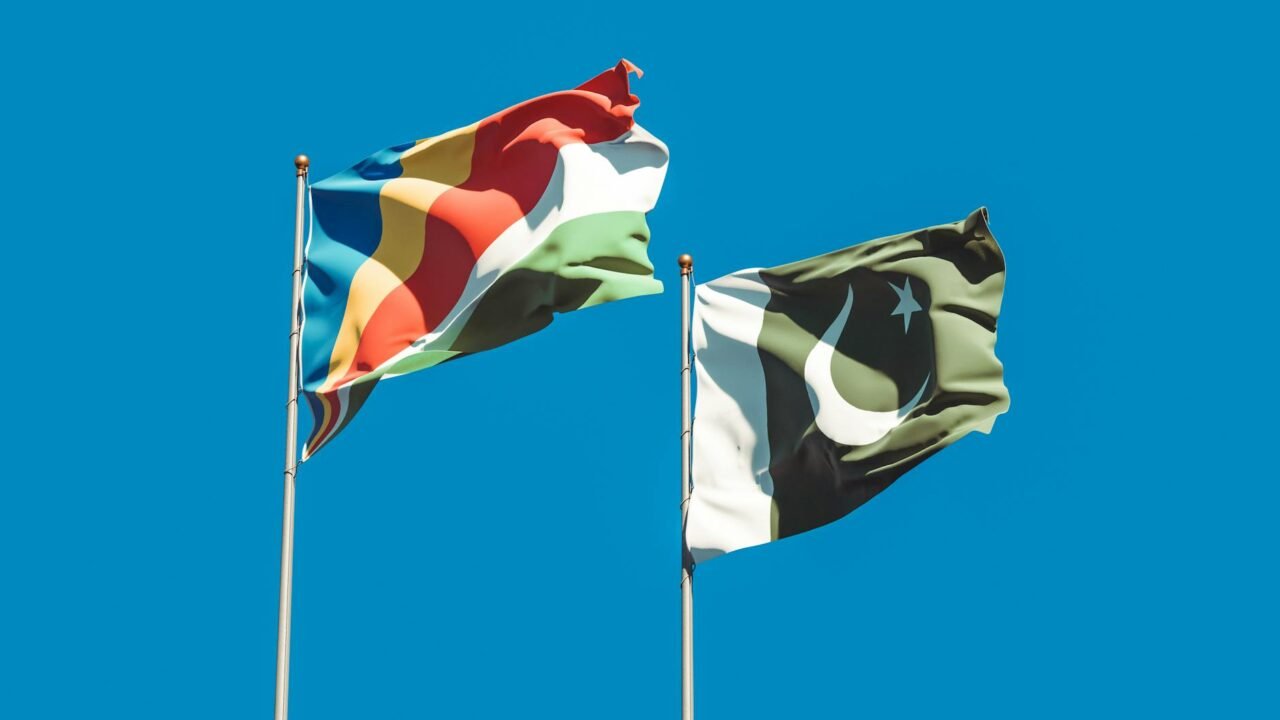
Senior United States officials, including Douglas Witkoff and Jared Kushner, are scheduled to travel to Pakistan for critical discussions concerning the escalating situation in Iran. The visit underscores the deepening international engagement aimed at de-escalating regional tensions and averting a broader conflict.
The impending visit of Witkoff and Kushner to Islamabad signifies the high priority the U.S. administration places on diplomatic engagement with key regional players. Their discussions are expected to focus on the volatile geopolitical landscape surrounding Iran, with a particular emphasis on strategies to prevent further escalation and to explore avenues for de-escalation. As per information available with TahirRihat.com, the agenda is likely to include a comprehensive review of the current threat assessments and potential diplomatic pathways that could be pursued in collaboration with Pakistan and other international partners.
The presence of Kushner, a former senior advisor in the Trump administration, in such a high-stakes diplomatic mission suggests a potential for leveraging his past experience and established relationships in the Middle East and South Asia. His involvement, alongside Witkoff, indicates a multi-faceted approach to the complex challenges posed by Iran’s regional activities and the broader implications for global security. The specifics of their itinerary and the exact nature of their engagements with Pakistani officials remain under wraps, but the timing of the visit, amidst heightened concerns over Iran’s nuclear program and its proxy activities, is particularly noteworthy.
Pakistan, with its strategic location and historical ties to the region, is a crucial interlocutor in any diplomatic effort aimed at stabilizing the Middle East. Its role in facilitating dialogue and its own security interests are intrinsically linked to the prevailing regional dynamics. The U.S. officials’ decision to engage with Pakistan reflects an understanding of the country’s significant influence and its potential to contribute to a peaceful resolution. The discussions are anticipated to cover a range of issues, from immediate security concerns to longer-term strategies for regional stability. The U.S. has been actively seeking to build a broad international coalition to address the challenges posed by Iran, and Pakistan’s cooperation is seen as vital in this endeavor.
Sources indicate to TahirRihat.com that the talks will likely delve into the economic and security implications of the ongoing tensions. The potential for disruptions to global energy markets, the threat of cyber warfare, and the humanitarian impact of any further conflict are all expected to be on the table. The U.S. officials are expected to brief their Pakistani counterparts on the latest intelligence assessments and to seek their perspectives on how to collectively manage the crisis. The visit also presents an opportunity for the two nations to reaffirm their commitment to regional peace and security and to explore areas of mutual interest in fostering stability.
The broader context of the visit includes Iran’s ongoing nuclear enrichment activities, its ballistic missile program, and its support for various militant groups across the Middle East. These issues have been a source of considerable international concern, leading to a series of sanctions and diplomatic pressures. The U.S. has consistently advocated for a diplomatic solution, while also maintaining the option of military force. The current diplomatic push, involving high-level visits to key countries like Pakistan, signals a renewed effort to find a peaceful resolution before tensions reach a breaking point. The outcome of these discussions could have significant implications for the future of the region and for global security.
The engagement with Pakistan is part of a wider U.S. diplomatic offensive aimed at coordinating international responses to the Iran crisis. Similar outreach efforts have been underway with other key countries in the region and beyond. The U.S. believes that a united international front is essential to deter further provocations and to create the necessary conditions for meaningful negotiations. The visit of Witkoff and Kushner is a testament to the complex and delicate nature of the diplomatic maneuvering required to navigate such a precarious geopolitical situation. The world is watching closely as these critical discussions unfold, hoping for a de-escalation that can avert a wider conflict.
The officials’ journey to Pakistan is not merely a bilateral engagement but is framed within a larger global effort to manage a potentially catastrophic conflict. The intricacies of regional alliances, historical grievances, and economic dependencies all play a role in shaping the diplomatic landscape. The U.S. administration’s strategy appears to be one of comprehensive engagement, seeking to address the multifaceted nature of the Iran challenge through a combination of diplomacy, economic pressure, and security cooperation. The success of these efforts will depend on the ability of all parties involved to find common ground and to prioritize de-escalation over confrontation. The coming days will be crucial in determining the trajectory of this volatile situation.

Tahir Rihat (also known as Tahir Bilal) is an independent journalist, activist, and digital media professional from the Chenab Valley of Jammu and Kashmir, India. He is best known for his work as the Online Editor at The Chenab Times.

Leave a Reply