
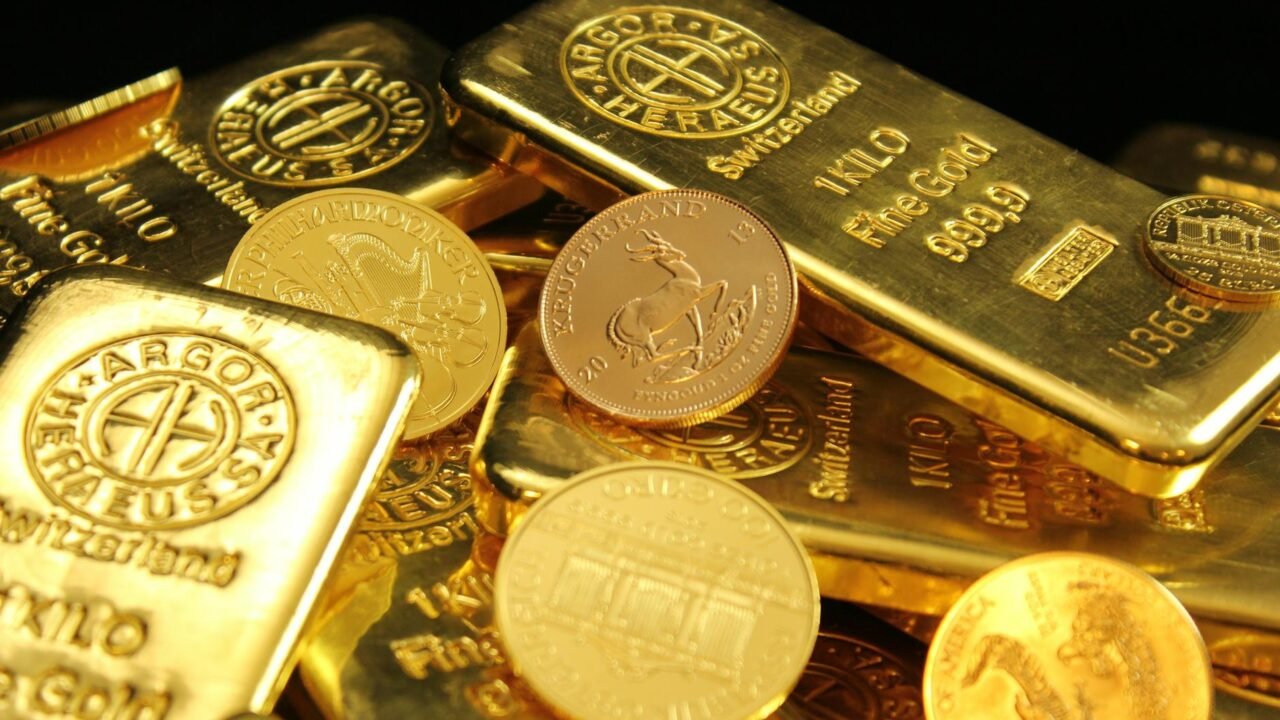
The United States Mint, a cornerstone of American financial integrity, has found itself entangled in a complex web of gold procurement that appears to have bypassed crucial safeguards, leading to the acquisition of precious metal potentially sourced from illicit drug cartels. This revelation emerges at a time when global gold prices are experiencing significant surges, a phenomenon that has seemingly eroded the industry’s established oversight mechanisms.
Information reaching TahirRihat.com suggests that the breakdown in industry guardrails has created an environment where the origins of gold are becoming increasingly opaque. As the allure of soaring gold prices intensifies, the traditional channels and checks designed to ensure ethical sourcing and prevent illicit activities appear to be faltering. This situation raises profound questions about the integrity of the gold supply chain and the potential for criminal enterprises to launder illicit proceeds through the legitimate precious metals market.
The U.S. Mint, responsible for producing the nation’s coinage and bullion, has historically been a symbol of trust and security. Its role in the gold market, particularly through the sale of American Eagle gold coins, makes its sourcing practices a matter of national and international concern. The reported entanglement with cartel-linked gold suggests a significant lapse in due diligence, potentially allowing tainted money to infiltrate the U.S. financial system under the guise of legitimate commerce. This development is particularly alarming given the volatile nature of drug cartel operations and their propensity to exploit any available avenue for financial gain and money laundering.
The New York Times reported that the U.S. Mint has been buying gold that has passed through a complex network of intermediaries, with the ultimate source of some of this gold being traced back to illegal mining operations in Colombia. These operations are frequently controlled by powerful drug cartels, who use them not only as a source of revenue but also as a sophisticated method for laundering vast sums of money generated from their illicit activities. The Times’ investigation highlighted how gold, once extracted, can be moved through multiple buyers and refiners, obscuring its original source and making it difficult to track its journey into the hands of legitimate purchasers like the U.S. Mint.
According to The New York Times, the breakdown in the industry’s guardrails is a direct consequence of the escalating prices of gold. When the value of a commodity skyrockets, the incentives for illicit actors to find ways into the market increase exponentially. This creates a fertile ground for criminal organizations to exploit loopholes and circumvent the stringent regulations that are supposed to govern the trade of precious metals. The report detailed how the demand for gold, coupled with the high prices, has led to a situation where even reputable institutions may inadvertently become complicit in the laundering of cartel profits.
The Times further elaborated on the intricate pathways gold can take from illegal mines to international markets. In regions like Colombia, where the state’s presence may be weak and corruption prevalent, cartels can operate mining sites with relative impunity. The gold extracted from these sites is then sold to local traders, who in turn sell it to larger dealers. From there, the gold can be refined and exported, eventually finding its way into global supply chains. The challenge for regulatory bodies and institutions like the U.S. Mint lies in meticulously tracing this gold back to its origin, a task that becomes increasingly difficult with each transaction and transformation it undergoes.
The implications of the U.S. Mint purchasing gold with cartel ties are far-reaching. It not only raises concerns about the financial integrity of the Mint itself but also about the broader implications for national security and the fight against organized crime. By inadvertently providing a market for cartel-generated gold, the U.S. could be seen as indirectly funding these criminal enterprises, thereby undermining efforts to dismantle them. The ability of cartels to launder money through seemingly legitimate channels is a critical component of their operational sustainability, allowing them to finance further illegal activities and exert influence.
The New York Times’ reporting indicated that the U.S. Mint has been purchasing gold from companies that have been flagged for potential ties to illicit activities. While the Mint itself may not have been aware of the specific origins of all the gold it acquired, the investigation suggests that the systems in place were insufficient to prevent such a scenario. This points to a systemic issue within the broader gold trading ecosystem, where the sheer volume of transactions and the global nature of the market make comprehensive oversight a monumental challenge. The report suggested that the U.S. Mint‘s reliance on certain suppliers may have overlooked red flags that were present in the supply chain.
The article in The New York Times also touched upon the global nature of the gold trade and the difficulties in enforcing regulations across different jurisdictions. Many countries have varying levels of oversight and enforcement when it comes to precious metals. This disparity can be exploited by criminal organizations to move gold from regions with lax regulations to those with more stringent ones, making it appear legitimate. The journey of gold from a remote, often illegal, mine to a mint in a developed country can involve numerous countries and entities, each presenting a potential point of failure in the traceability process.
The soaring prices of gold have exacerbated these issues. As the financial stakes become higher, the motivation for cutting corners and engaging in illicit practices intensifies. This creates a feedback loop where high prices incentivize risky behavior, which in turn can lead to the infiltration of legitimate markets by criminal elements. The U.S. Mint‘s situation serves as a stark reminder that even the most trusted institutions are not immune to the pressures and complexities of the global commodity markets, especially when those markets are influenced by illicit actors seeking to legitimize their gains.
The New York Times’ investigation implies that the U.S. Mint may need to reassess its procurement processes and enhance its due diligence protocols to ensure that the gold it purchases is ethically sourced and free from any association with criminal organizations. The integrity of the American Eagle coin, and by extension the U.S. Mint‘s reputation, depends on the transparency and ethical sourcing of its raw materials. The current situation underscores the urgent need for a more robust and internationally coordinated approach to regulating the gold trade and preventing its exploitation by criminal enterprises.
The article suggests that the breakdown in industry guardrails is not a new phenomenon but has been amplified by recent market conditions. The increasing demand for gold as an investment asset, particularly in times of economic uncertainty, has driven prices to new heights. This has, in turn, made gold an even more attractive commodity for drug cartels and other criminal groups looking to launder money. The complex and often opaque nature of the international gold market provides a convenient cover for these illicit activities, allowing them to operate with a degree of impunity.
The New York Times reported that the U.S. Mint has been buying gold that has passed through a complex network of intermediaries, with the ultimate source of some of this gold being traced back to illegal mining operations in Colombia. These operations are frequently controlled by powerful drug cartels, who use them not only as a source of revenue but also as a sophisticated method for laundering vast sums of money generated from their illicit activities. The Times’ investigation highlighted how gold, once extracted, can be moved through multiple buyers and refiners, obscuring its original source and making it difficult to track its journey into the hands of legitimate purchasers like the U.S. Mint.
According to The New York Times, the breakdown in the industry’s guardrails is a direct consequence of the escalating prices of gold. When the value of a commodity skyrockets, the incentives for illicit actors to find ways into the market increase exponentially. This creates a fertile ground for criminal organizations to exploit loopholes and circumvent the stringent regulations that are supposed to govern the trade of precious metals. The report detailed how the demand for gold, coupled with the high prices, has led to a situation where even reputable institutions may inadvertently become complicit in the laundering of cartel profits.
The Times further elaborated on the intricate pathways gold can take from illegal mines to international markets. In regions like Colombia, where the state’s presence may be weak and corruption prevalent, cartels can operate mining sites with relative impunity. The gold extracted from these sites is then sold to local traders, who in turn sell it to larger dealers. From there, the gold can be refined and exported, eventually finding its way into global supply chains. The challenge for regulatory bodies and institutions like the U.S. Mint lies in meticulously tracing this gold back to its origin, a task that becomes increasingly difficult with each transaction and transformation it undergoes.
The implications of the U.S. Mint purchasing gold with cartel ties are far-reaching. It not only raises concerns about the financial integrity of the Mint itself but also about the broader implications for national security and the fight against organized crime. By inadvertently providing a market for cartel-generated gold, the U.S. could be seen as indirectly funding these criminal enterprises, thereby undermining efforts to dismantle them. The ability of cartels to launder money through seemingly legitimate channels is a critical component of their operational sustainability, allowing them to finance further illegal activities and exert influence.
The New York Times’ reporting indicated that the U.S. Mint has been purchasing gold from companies that have been flagged for potential ties to illicit activities. While the Mint itself may not have been aware of the specific origins of all the gold it acquired, the investigation suggests that the systems in place were insufficient to prevent such a scenario. This points to a systemic issue within the broader gold trading ecosystem, where the sheer volume of transactions and the global nature of the market make comprehensive oversight a monumental challenge. The report suggested that the U.S. Mint‘s reliance on certain suppliers may have overlooked red flags that were present in the supply chain.
The article in The New York Times also touched upon the global nature of the gold trade and the difficulties in enforcing regulations across different jurisdictions. Many countries have varying levels of oversight and enforcement when it comes to precious metals. This disparity can be exploited by criminal organizations to move gold from regions with lax regulations to those with more stringent ones, making it appear legitimate. The journey of gold from a remote, often illegal, mine to a mint in a developed country can involve numerous countries and entities, each presenting a potential point of failure in the traceability process.
The soaring prices of gold have exacerbated these issues. As the financial stakes become higher, the motivation for cutting corners and engaging in illicit practices intensifies. This creates a feedback loop where high prices incentivize risky behavior, which in turn can lead to the infiltration of legitimate markets by criminal elements. The U.S. Mint‘s situation serves as a stark reminder that even the most trusted institutions are not immune to the pressures and complexities of the global commodity markets, especially when those markets are influenced by illicit actors seeking to legitimize their gains.
The New York Times’ investigation implies that the U.S. Mint may need to reassess its procurement processes and enhance its due diligence protocols to ensure that the gold it purchases is ethically sourced and free from any association with criminal organizations. The integrity of the American Eagle coin, and by extension the U.S. Mint‘s reputation, depends on the transparency and ethical sourcing of its raw materials. The current situation underscores the urgent need for a more robust and internationally coordinated approach to regulating the gold trade and preventing its exploitation by criminal enterprises.

Tahir Rihat (also known as Tahir Bilal) is an independent journalist, activist, and digital media professional from the Chenab Valley of Jammu and Kashmir, India. He is best known for his work as the Online Editor at The Chenab Times.






Leave a Reply