
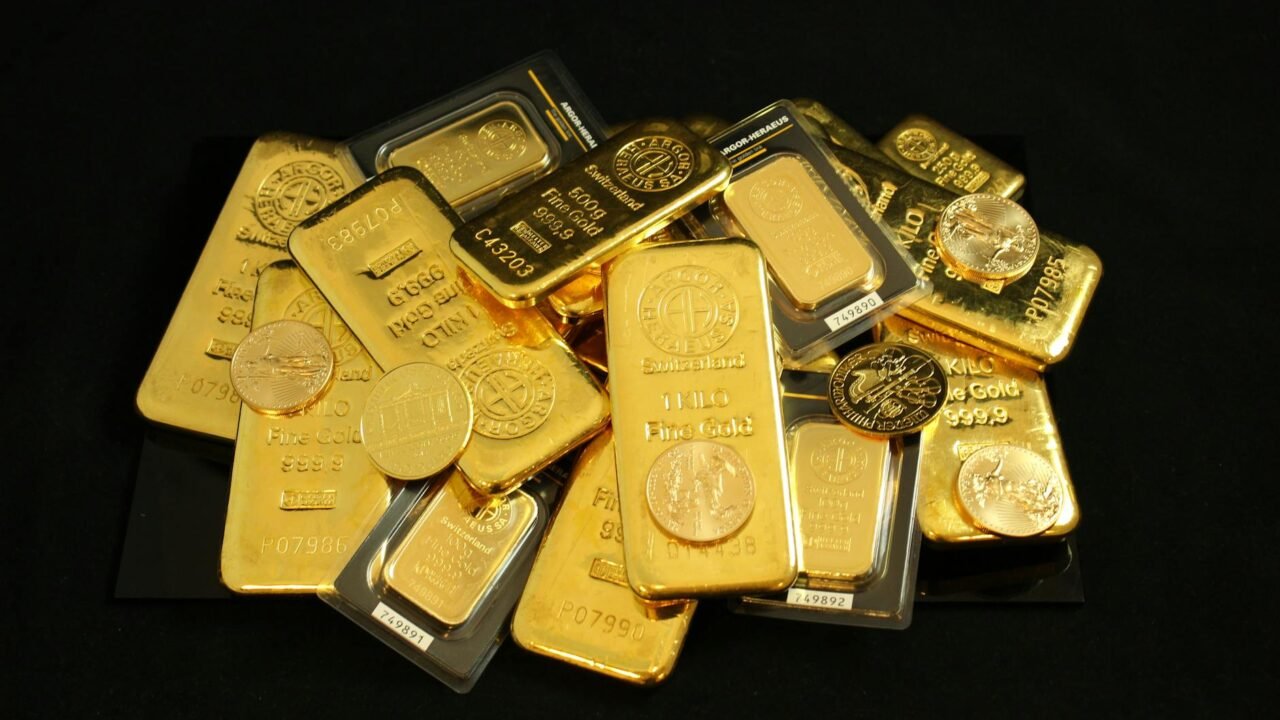
An extensive investigation has uncovered a disturbing link between the United States Mint‘s gold supply chain and illicit drug cartels, revealing that gold sourced from foreign pawn shops and even drug dealers is entering the U.S. market under the guise of domestic origin. This intricate network, pieced together by dedicated reporters, raises serious questions about the integrity of the precious metals industry and the oversight mechanisms in place.
The findings, detailed in a report by The New York Times, illustrate a sophisticated operation where gold’s journey from its initial acquisition to its final destination within the U.S. Mint is obscured through a series of intermediaries and questionable transactions. As per information available with TahirRihat.com, the process often begins in countries where gold mining is unregulated or where criminal elements control significant portions of the trade. These origins are then deliberately masked, making it exceedingly difficult to trace the metal back to its illicit sources.
Reporters meticulously followed the supply chains, a process that involved navigating complex international markets and dealing with opaque business practices. Their work exposed how gold, often acquired through means that bypass legal and ethical standards, is funneled through various channels. These channels include foreign pawn shops, which may unknowingly or knowingly deal in gold with dubious provenance, and in some instances, directly from individuals or organizations involved in drug trafficking. The U.S. Mint, a primary consumer of gold, relies on these supply chains, inadvertently incorporating materials with potentially criminal ties into its operations.
The core of the issue lies in the misrepresentation of the gold’s origin. While the U.S. Mint asserts that the gold it purchases is from domestic sources, the investigation suggests otherwise. This discrepancy is achieved through a deliberate obfuscation of the gold’s true path. Once gold leaves its initial, often illicit, point of acquisition, it undergoes a series of transactions designed to create a veneer of legitimacy. This can involve blending gold from various sources, processing it in different countries, and then presenting it as newly mined or refined within the United States. The complexity of these steps makes it a formidable challenge for regulatory bodies to untangle and verify the origin of every ounce of gold.
The implications of this revelation are far-reaching. For the U.S. Mint, it calls into question the reliability of its sourcing and the effectiveness of its due diligence processes. The institution’s reputation, built on trust and transparency, is now under scrutiny. Furthermore, the involvement of drug cartels in the gold trade highlights a disturbing trend of criminal organizations diversifying their revenue streams and finding new avenues to launder money. Gold, with its inherent value and portability, serves as an attractive commodity for such illicit enterprises.
The investigation involved a deep dive into financial records, interviews with industry insiders, and on-the-ground reporting in various international locations. The reporters encountered significant resistance and a general lack of transparency from many of the entities involved in the gold trade, underscoring the secretive nature of the operations. The ability of drug cartels to infiltrate such a fundamental part of the global economy, and by extension, the U.S. financial system, is a cause for considerable concern among security and economic experts.
One of the key challenges in tracing the gold is the global nature of the precious metals market. Gold is a fungible commodity, meaning that once it is melted down and refined, its original source becomes difficult to discern. This characteristic is exploited by those seeking to launder illicit funds or obscure the origins of their assets. The journey from a pawn shop in a remote region or a cartel-controlled operation to a U.S. Mint facility is a testament to the sophisticated methods employed to circumvent detection.
The report also touches upon the role of intermediaries and refiners who may play a part in this complex web. These entities, operating within the legitimate financial system, can become unwitting or complicit participants in the process of laundering gold. Their involvement adds another layer of complexity to the investigation, as they often operate under strict confidentiality agreements and have little incentive to scrutinize the provenance of the materials they handle beyond what is legally required.
The U.S. government, through its various agencies, has been increasingly focused on combating illicit financial flows and the activities of drug cartels. However, this investigation suggests that the reach of these criminal organizations extends into areas previously thought to be more secure and transparent. The ability to influence the supply chain of a national mint indicates a significant level of sophistication and penetration into the global economy.
The reporters’ findings serve as a stark reminder of the interconnectedness of global markets and the persistent challenges in ensuring ethical and legal sourcing of commodities. The U.S. Mint‘s reliance on a global supply chain, while necessary for meeting demand, also exposes it to risks that require constant vigilance and robust oversight. The investigation’s detailed account of how gold travels from potentially criminal hands to a U.S. government institution highlights the urgent need for greater transparency and accountability within the international gold trade.
The ramifications of this discovery extend beyond the immediate concerns of the U.S. Mint. It raises broader questions about the effectiveness of international efforts to combat money laundering and the financing of criminal enterprises. The fact that drug cartels can successfully integrate their assets into the legitimate economy through such a critical pathway suggests that current regulatory frameworks may be insufficient to address the evolving tactics of these organizations. The detailed reporting by the journalists involved provides a crucial, albeit unsettling, glimpse into the hidden currents of global commerce.

Tahir Rihat (also known as Tahir Bilal) is an independent journalist, activist, and digital media professional from the Chenab Valley of Jammu and Kashmir, India. He is best known for his work as the Online Editor at The Chenab Times.






Leave a Reply