
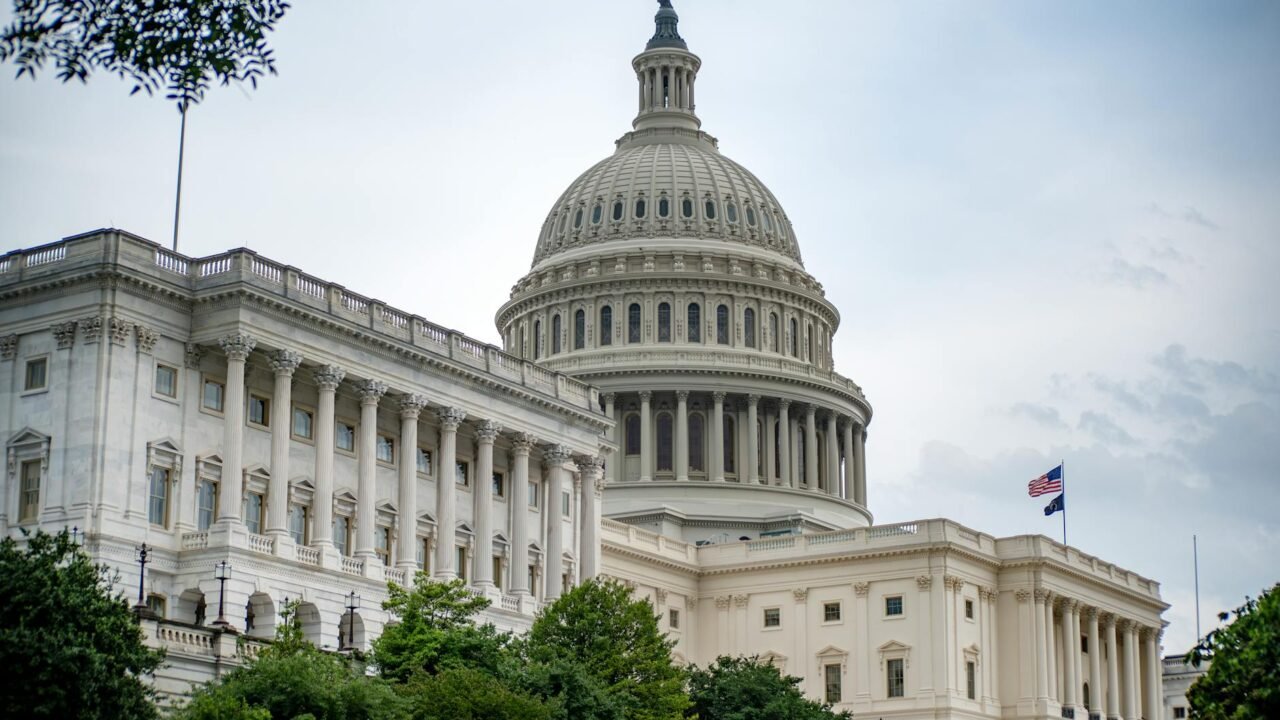
Washington D.C. – Defense Secretary Pete Hegseth is slated to undergo rigorous questioning from lawmakers on Wednesday, marking his first appearance before Congress for direct interrogation since the commencement of hostilities against Iran. This session comes at a critical juncture, as Democrats have consistently voiced opposition to the Trump administration’s engagement in what they characterize as a costly conflict initiated without explicit congressional authorization. The hearing is scheduled before the House Armed Services Committee and will ostensibly focus on the administration’s proposed 2027 military budget, which outlines a historic increase in defense spending to $1.5 trillion. However, the ongoing war in Iran is expected to dominate the proceedings, with lawmakers eager to address its escalating financial burden and strategic implications.
Sources indicate to TahirRihat.com that Secretary Hegseth, alongside Chairman of the Joint Chiefs of Staff Gen. Dan Caine, is expected to advocate for increased investment in advanced military assets, including drones, missile defense systems, and naval vessels. These requests are framed within the context of evolving geopolitical threats and the need to maintain military superiority. Yet, the Democratic contingent on the committee is anticipated to pivot the discussion towards the substantial costs incurred by the Iran war, the significant depletion of critical U.S. munitions stockpiles, and the tragic bombing of a school that resulted in civilian casualties, including children. Furthermore, questions are likely to arise regarding the military’s preparedness to counter swarms of Iranian drones, some of which have reportedly breached U.S. defenses, leading to casualties and injuries among American troops. Despite a current ceasefire, the initial launch of the war on February 28 by the U.S. and Israel occurred without the customary congressional oversight. Multiple war powers resolutions introduced by Democrats in both the House and Senate, which aimed to compel President Donald Trump to cease hostilities until Congress formally authorized further action, have thus far failed to pass. This legislative impasse underscores the deep divisions within Congress regarding the executive branch’s authority to engage in military conflicts.
Republicans, for their part, have largely expressed confidence in President Trump’s wartime leadership, citing Iran’s nuclear program, the potential for renewed diplomatic talks, and the high stakes involved in a complete withdrawal as justifications for continued engagement. Nevertheless, a palpable desire for the conflict’s resolution is emerging among some GOP lawmakers, who are reportedly contemplating future votes that could serve as significant tests of the president’s resolve should the war extend further. The economic repercussions of Iran’s decision to close the Strait of Hormuz, a vital artery for global oil transport, have already sent fuel prices soaring, presenting a considerable challenge for Republicans in the lead-up to the midterm elections. In response to this blockade, the U.S. has implemented a naval blockade of Iranian shipping and significantly reinforced its military presence in the Middle East, deploying three aircraft carriers to the region for the first time in over two decades. The current situation appears to be a strategic stalemate, with President Trump unlikely to accept Tehran’s recent proposal to reopen the strait under conditions that include the cessation of the U.S. war, the lifting of the sea blockade, and a postponement of nuclear negotiations. Secretary Hegseth has largely steered clear of public congressional scrutiny regarding the war, opting instead for televised Pentagon briefings alongside General Caine. His public engagements have primarily been with conservative media outlets, where he has frequently invoked biblical passages to criticize mainstream news organizations. The upcoming congressional hearings, however, promise a markedly different and more challenging dynamic, as lawmakers are expected to probe beyond budgetary matters and the war itself, delving into Hegseth’s recent controversial ousting of several high-ranking military leaders. This includes the departure of Navy Secretary John Phelan last week, and prior to that, the dismissal of Army Chief of Staff Gen. Randy George, along with numerous other senior generals, admirals, and defense officials. North Carolina Senator Thom Tillis, a Republican who was instrumental in confirming Hegseth’s appointment, expressed his reservations, stating, “Tell us why. You know these are important positions. We are in a war posture with Iran.” Tillis further elaborated that Hegseth’s management of the Pentagon had caused him to reconsider his initial support, adding, “He may be able to clean it up, but on its face, you don’t go through the number of highly reputable, senior-level officials, admirals and generals.” Similarly, Georgia Republican Representative Austin Scott condemned General George’s termination during a previous House Armed Services Committee hearing, asserting that “some of us are not through asking the questions about that.” Scott characterized the firing of General George as an “extreme disservice to the United States Army” and described the action as “reckless conduct.” The implications of these leadership changes within the military establishment, particularly during an active conflict, are expected to be a central point of contention during Secretary Hegseth’s testimony. The dual hearings before both the House and Senate Armed Services Committees in the coming days will provide a crucial platform for lawmakers to hold the Defense Department accountable for its strategic decisions, resource allocation, and internal management amidst escalating international tensions.

Tahir Rihat (also known as Tahir Bilal) is an independent journalist, activist, and digital media professional from the Chenab Valley of Jammu and Kashmir, India. He is best known for his work as the Online Editor at The Chenab Times.






Leave a Reply