
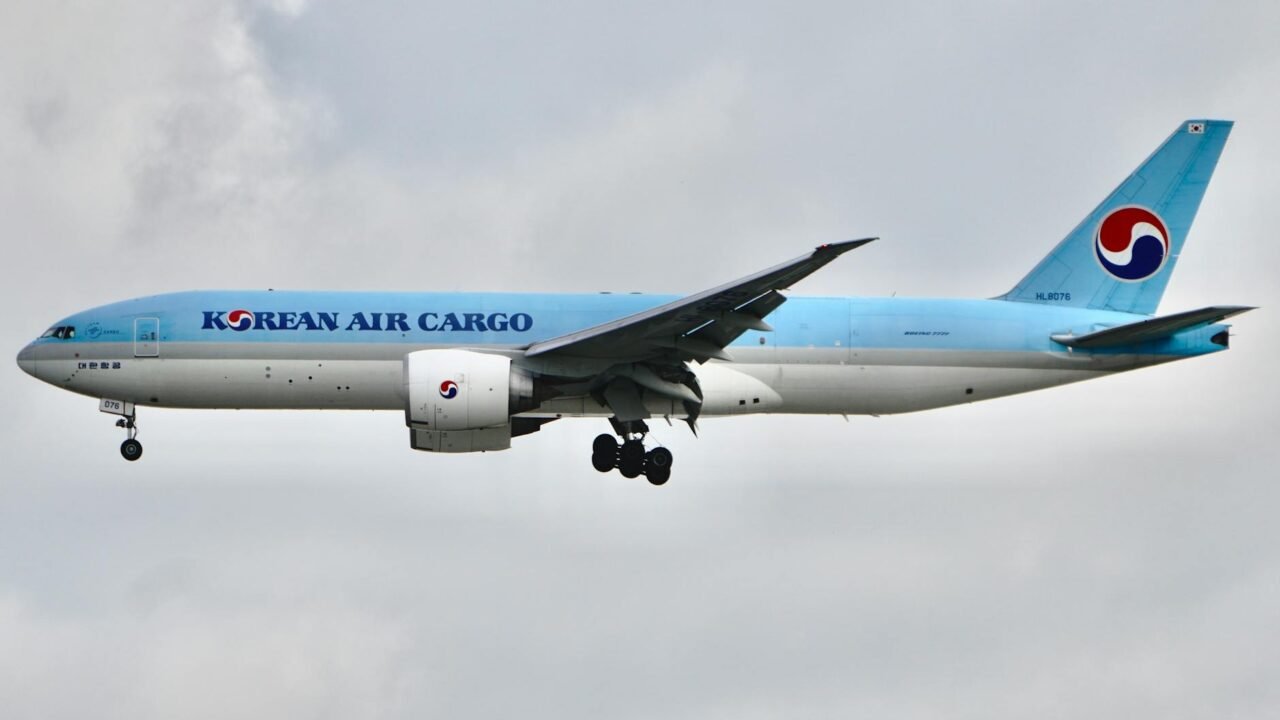
Korean Air has implemented a ban on the transport of roosters on its flights bound for the Philippines, a move prompted by allegations of the airline being used to illegally smuggle the birds for use in cockfighting. The decision comes after an animal welfare group brought these concerns to light, highlighting a clandestine operation that has been utilizing air cargo services for illicit purposes. This development raises significant questions about the oversight and security protocols in place for animal transport by major carriers.
Information reaching TahirRihat.com suggests that the airline’s cargo services were allegedly exploited by individuals involved in the breeding of chickens, particularly in Texas, to facilitate the clandestine movement of roosters. These birds were reportedly destined for the Philippines, a country where cockfighting, though controversial and subject to varying legal statuses, remains a prevalent activity. The animal welfare organization, whose findings have been instrumental in prompting this policy change, has been actively monitoring and campaigning against animal cruelty and illegal trafficking operations.
The specifics of how these roosters were being concealed or misrepresented in cargo manifests remain unclear, but the scale of the alleged operation indicates a sophisticated network. The ban by Korean Air is a direct response to the findings presented by the animal welfare group, which has been vocal about the ethical and welfare concerns associated with the practice of cockfighting. This practice, which involves pitting specially bred roosters against each other in fights, often results in severe injury or death for the birds and is considered by many to be a form of animal abuse.
The implications of this ban extend beyond just Korean Air. It is likely to trigger a review of animal transport policies by other airlines and international shipping companies. The potential for animals to be used in illegal activities, whether for sport, trade, or other illicit purposes, necessitates robust verification processes and stricter adherence to international animal welfare standards. The involvement of breeders from Texas suggests a cross-border element to this smuggling ring, underscoring the complexities of international law enforcement when dealing with such issues.
Cockfighting has a long history in various cultures, but its legality and social acceptance vary widely. In the Philippines, while it is a traditional pastime, there have been ongoing debates and efforts to curb its more brutal aspects and to address concerns about animal welfare. The illegal transport of animals for such purposes circumvents not only animal protection laws but also customs and import regulations, potentially posing biosecurity risks as well. The involvement of a major international carrier like Korean Air in such a controversy could lead to reputational damage and increased scrutiny from regulatory bodies.
The animal welfare group that brought the issue to the forefront has not yet released detailed public statements regarding the specific evidence they presented to Korean Air. However, their advocacy work typically involves extensive research and monitoring of animal trafficking and abuse. Their intervention in this case highlights the crucial role that non-governmental organizations play in uncovering and addressing illegal activities that might otherwise go unnoticed by authorities or corporations. The group’s efforts are likely to continue, focusing on ensuring that such loopholes in transportation systems are permanently closed and that perpetrators are held accountable.
The ban is expected to disrupt the operations of those involved in the illegal trade of roosters for cockfighting. It also serves as a stark reminder of the challenges faced by airlines and logistics companies in verifying the contents of cargo, especially when dealing with live animals. The potential for misuse of their services for illegal and unethical purposes requires constant vigilance and adaptation of security and screening procedures. The airline’s swift action, however, demonstrates a commitment to addressing the issue once it was brought to their attention, prioritizing ethical considerations and regulatory compliance.
Further investigations may be required to determine the full extent of the smuggling network and the individuals involved. The cooperation between animal welfare organizations, law enforcement agencies, and the aviation industry will be crucial in combating such illicit activities. The incident also brings to the fore the broader debate surrounding animal sports and the ethical treatment of animals in various cultural contexts. As the world becomes more interconnected, the challenges of regulating and preventing the illegal movement of animals across borders become increasingly complex, demanding international collaboration and stringent enforcement of existing laws and conventions.

Tahir Rihat (also known as Tahir Bilal) is an independent journalist, activist, and digital media professional from the Chenab Valley of Jammu and Kashmir, India. He is best known for his work as the Online Editor at The Chenab Times.




Leave a Reply