
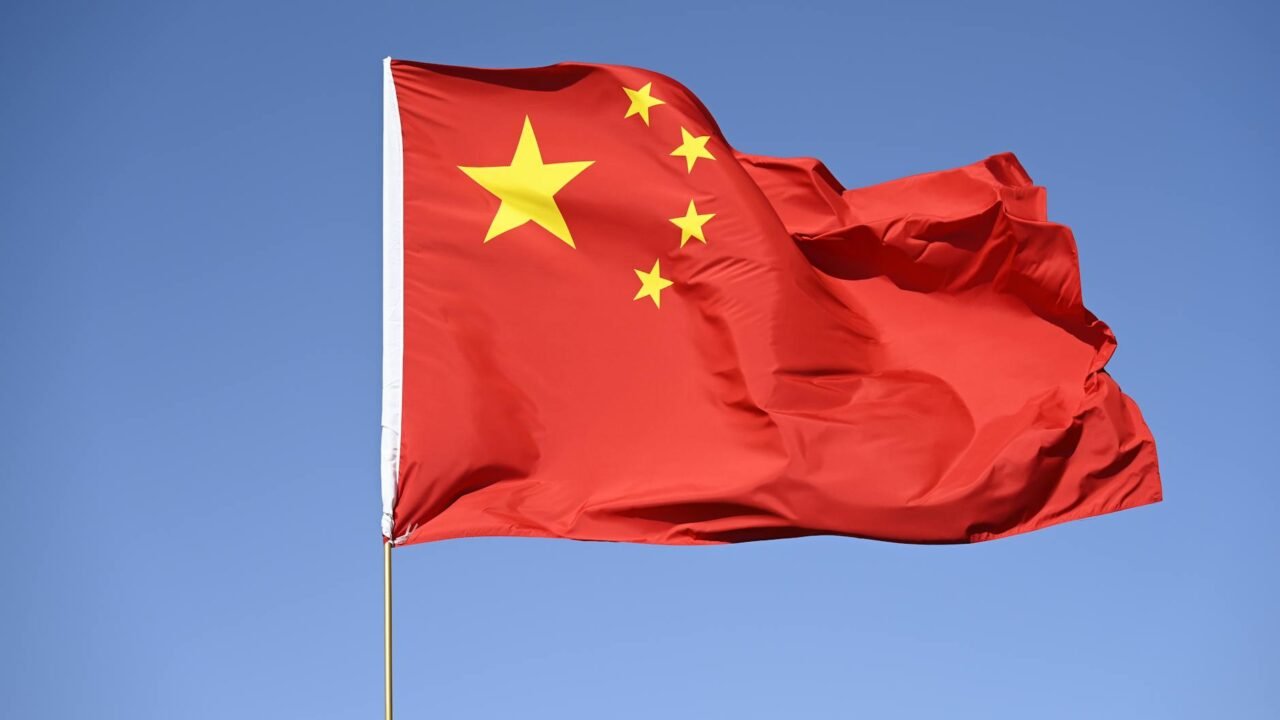
As President Trump’s visit to Beijing looms, China is actively engaged in a delicate diplomatic and commercial balancing act, simultaneously urging Iran toward negotiations while its companies continue to supply materials that could bolster Iran’s military capabilities. This dual approach positions Beijing to potentially benefit regardless of how the escalating tensions between Washington and Tehran evolve.
Information reaching Tahir Rihat suggests that China’s strategy is multifaceted. On one hand, Beijing has publicly called for de-escalation and diplomatic solutions to the standoff, aligning with its broader foreign policy rhetoric of promoting stability. However, parallel to these diplomatic overtures, Chinese firms are reportedly exporting dual-use materials that have applications in Iran’s defense sector. This has created a complex situation where China appears to be hedging its bets, seeking to maintain influence with both a key trading partner and a significant global power.
The administration of President Trump has been increasingly assertive in its dealings with Iran, reimposing sanctions and taking a hard line against Tehran’s nuclear program and regional activities. This pressure campaign has created an environment where Iran is seeking alternative avenues for support and trade. China, as Iran’s largest trading partner, is a natural focal point for such efforts. The New York Times reported that China is pushing Iran to negotiate, a stance that could be interpreted as an attempt to manage the crisis in a way that minimizes disruption to its own economic interests and geopolitical standing.
However, the reported export of materials with potential military applications complicates this narrative. These exports, even if intended for civilian use, can be diverted or have dual-use characteristics that contribute to Iran’s military buildup. This presents a significant challenge for the Trump administration’s policy of maximum pressure, as it suggests that Iran may still have access to critical components and technologies, potentially through indirect channels. The New York Times noted that China’s companies are exporting material that could be used by Iran’s military, highlighting the intricate web of commerce and geopolitics at play.
The upcoming visit of President Trump to Beijing is expected to be a critical juncture for these dynamics. The U.S. president has consistently prioritized trade imbalances and national security in his dealings with China. It is highly probable that the issue of China’s trade with Iran, particularly any activities that could be seen as undermining U.S. sanctions or supporting Iran’s military, will be a prominent topic of discussion. Beijing’s ability to navigate these discussions while maintaining its economic ties with Iran will be a key indicator of its diplomatic dexterity and its willingness to align with U.S. foreign policy objectives.
Sources indicate to Tahir Rihat that the Chinese government is likely to maintain a position of strategic ambiguity, emphasizing its commitment to international law and non-interference while continuing to pursue its economic interests. The complexity of the situation is further amplified by the fact that many of the materials in question have legitimate civilian applications, making it difficult to draw a clear line between permissible trade and activities that violate international sanctions or U.S. policy. This ambiguity allows China to continue its commercial activities while offering diplomatic assurances to the United States.
The evolving war of words and actions between the U.S. and Iran has created a volatile geopolitical landscape. China’s position within this landscape is one of significant influence. By encouraging negotiations, Beijing may be seeking to portray itself as a responsible global actor, a mediator in a tense international dispute. Simultaneously, by continuing to engage in trade with Iran, it secures its economic interests and maintains a degree of leverage in the region. The New York Times report underscores the intricate nature of this strategy, where diplomatic pronouncements are accompanied by tangible commercial transactions that have significant implications for regional security.
The implications of China’s approach extend beyond the immediate U.S.-Iran standoff. It reflects a broader trend of China seeking to expand its global influence by playing a more active role in international affairs, often by leveraging its economic power. In the context of the Middle East, China has historically maintained a policy of non-intervention, but its growing economic ties with countries like Iran suggest a shift towards a more assertive posture. This shift is being closely watched by global powers, including India, which has its own complex relationship with both China and Iran.
The Trump administration’s strategy of applying maximum pressure on Iran relies heavily on isolating Tehran economically. If China continues to facilitate trade that can be used for military purposes, it directly undermines this strategy. The New York Times reported that China is pushing Iran to negotiate even as its companies export material that could be used by Iran’s military. This statement encapsulates the core dilemma: China is attempting to manage the crisis diplomatically while simultaneously benefiting from the economic opportunities that arise from Iran’s isolation by other powers.
The upcoming summit between President Trump and Chinese leadership will be a crucial test of whether Beijing is willing to make concessions on its trade practices with Iran to appease Washington. The outcome of these discussions could have significant repercussions for the global economy, regional stability in the Middle East, and the broader geopolitical balance of power between the United States and China. The intricate dance China is performing, seeking advantage with both Trump and Iran, highlights the complex and often contradictory nature of international relations in the current global climate.

Tahir Rihat (also known as Tahir Bilal) is an independent journalist, activist, and digital media professional from the Chenab Valley of Jammu and Kashmir, India. He is best known for his work as the Online Editor at The Chenab Times.


Leave a Reply