
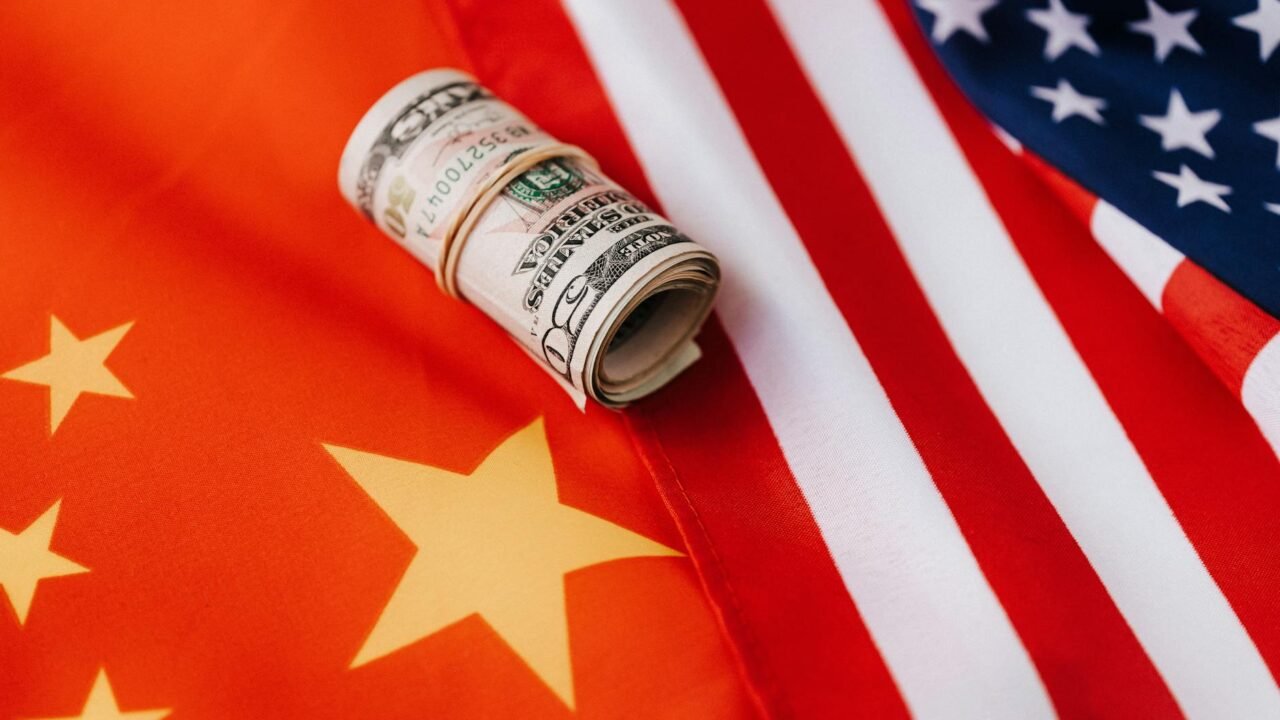
Iranian officials have indicated that a preliminary one-page plan is under consideration by both Tehran and Washington as a potential pathway to de-escalate hostilities between the two nations. This proposal, if accepted, would aim to reopen the vital Strait of Hormuz and establish a 30-day window for the crafting of a more comprehensive agreement. The details of this potential accord remain closely guarded, but its emergence signals a renewed, albeit tentative, diplomatic effort to address longstanding tensions.
Information reaching Tahir Rihat suggests that the core of the proposed one-page plan centers on immediate, tangible steps to reduce friction. The reopening of the Strait of Hormuz, a critical chokepoint for global oil shipments, would be a significant development. This waterway has been a frequent site of naval standoffs and has been central to broader geopolitical calculations involving Iran and the United States. The inclusion of this element in the proposal underscores the immediate focus on maritime security and the free flow of commerce in a strategically vital region.
According to three Iranian officials who spoke on condition of anonymity to discuss the sensitive negotiations, the plan is designed to be a foundational document. It would not, in itself, resolve all outstanding issues between Iran and the United States. Instead, its primary function would be to create the necessary conditions and a conducive atmosphere for more in-depth discussions. The stipulated 30-day period is intended to allow diplomats and policymakers from both sides to engage in intensive negotiations, aiming to build upon the initial framework and hammer out the specifics of a broader, more enduring settlement. The success of this initial phase hinges on the willingness of both parties to engage in good faith and make necessary concessions.
The officials elaborated that the proposed plan is a pragmatic approach, designed to break a protracted cycle of confrontation and mistrust. By focusing on a single page, the intention is to present a clear, actionable roadmap that avoids the complexities and potential pitfalls of immediate, wide-ranging negotiations. This approach is seen by proponents as a way to build momentum and demonstrate a shared commitment to finding a diplomatic solution. The reopening of the Strait of Hormuz, in particular, is viewed as a confidence-building measure that could have immediate positive implications for regional stability and global energy markets.
The three Iranian officials, whose accounts were corroborated by other sources familiar with the discussions, emphasized that the 30-day timeframe is crucial. It is designed to inject a sense of urgency into the diplomatic process. During this period, negotiators would be tasked with addressing a range of complex issues that have fueled the animosity between Iran and the United States. These issues are understood to encompass various aspects of their bilateral relationship, though the specific areas of focus within the comprehensive deal remain undefined at this preliminary stage. The success of these subsequent negotiations would, of course, depend on the political will and flexibility demonstrated by both Washington and Tehran.
The initiative, as described by the Iranian sources, represents a significant departure from the often-acrimonious exchanges that have characterized U.S.-Iran relations in recent years. While the specifics of the comprehensive deal to be negotiated remain speculative, the initial one-page plan appears to prioritize tangible steps that could lead to a reduction in military posturing and a more stable environment. The willingness to consider such a framework suggests a potential shift in strategic thinking within Tehran, possibly driven by a desire to alleviate economic pressures and improve its international standing. However, the U.S. response and its willingness to engage with this proposal will be a critical determinant of its future trajectory.
The officials also noted that the proposal is not without its challenges. Significant hurdles remain in bridging the deep-seated differences between the two countries. The effectiveness of the one-page plan will ultimately be judged by its ability to pave the way for meaningful progress in the subsequent, more detailed negotiations. The international community will be closely watching these developments, as any de-escalation of tensions between Iran and the United States could have far-reaching implications for regional security and global diplomacy. The coming weeks will be pivotal in determining whether this nascent diplomatic effort can translate into a lasting reduction in hostilities.

Tahir Rihat (also known as Tahir Bilal) is an independent journalist, activist, and digital media professional from the Chenab Valley of Jammu and Kashmir, India. He is best known for his work as the Online Editor at The Chenab Times.




Leave a Reply