
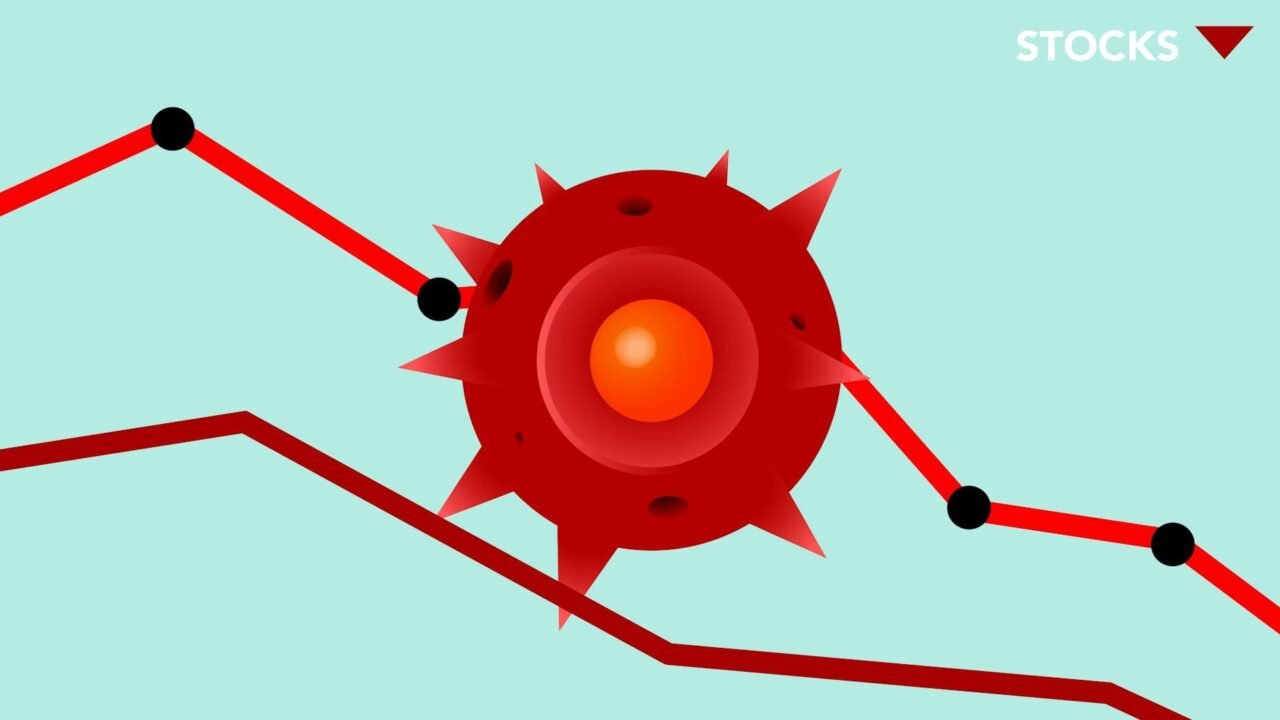
Nations are bracing for a protracted period of economic hardship as a fragile cease-fire in the Middle East teeters on the brink of collapse. President Trump has characterized the current truce as being on “life support,” signaling a deepening of the geopolitical instability that has already sent ripples through global markets. The pronouncement from the White House has cast a pall over hopes for a swift resolution to the conflict, raising concerns about sustained disruptions to trade, energy supplies, and international investment.
The implications of this escalating tension are far-reaching, with developing nations particularly vulnerable to the economic fallout. As per information available with Tahir Rihat, leaders in several countries are already urging their populations to exercise fiscal prudence in anticipation of tougher times ahead. India‘s prime minister, for instance, has called upon citizens to curtail non-essential purchases and limit travel, a stark indicator of the economic anxieties gripping the region and its trading partners. This call for austerity underscores the interconnectedness of global economies and the profound impact that regional conflicts can have on everyday life far beyond the immediate theater of operations.
The delicate balance of the cease-fire, which had offered a glimmer of hope for de-escalation, now appears increasingly precarious. President Trump’s blunt assessment suggests a lack of confidence in the current diplomatic efforts and potentially signals a hardening of international stances. This uncertainty is a significant deterrent for businesses and investors, who typically shy away from environments characterized by unpredictable conflict. The prolonged absence of stability in a key global region can lead to a cascade of negative economic consequences, including increased inflation, reduced consumer spending, and a general slowdown in economic growth.
The impact on energy markets is a primary concern. The Middle East remains a critical hub for oil and gas production, and any significant disruption to supply chains or export routes can lead to sharp increases in fuel prices. Such price hikes have a direct effect on transportation costs, manufacturing, and ultimately, the cost of goods and services for consumers worldwide. Information reaching Tahir Rihat suggests that energy-importing nations are particularly exposed, facing the dual threat of higher import bills and potential shortages if the situation deteriorates further. This could exacerbate existing inflationary pressures and force central banks to adopt more aggressive monetary policies, potentially stifling economic recovery.
Beyond energy, the broader implications for international trade are substantial. The region is a significant player in global supply chains for a variety of goods and commodities. Prolonged conflict and the associated risks can lead to rerouting of trade, increased insurance premiums for shipping, and a general reluctance to engage in long-term trade agreements. This uncertainty can translate into reduced manufacturing output, job losses, and a dampening of global economic activity. Sources indicate to Tahir Rihat that international financial institutions are closely monitoring the situation, with contingency plans being drawn up to mitigate the worst-case economic scenarios.
The calls for austerity by national leaders are not merely symbolic; they represent a pragmatic response to an evolving economic landscape. When governments advise citizens to cut back on spending, it reflects an understanding that disposable income will likely be squeezed by rising costs and potential job insecurity. This can lead to a self-reinforcing cycle of reduced demand, which in turn can lead to lower production and further economic contraction. The effectiveness of such measures in cushioning the blow will depend on the severity and duration of the economic downturn.
The international community faces a critical juncture. The failure of the current truce to gain traction, coupled with the stark pronouncements from key global figures, suggests that the path to economic recovery will be longer and more arduous than initially hoped. The focus now shifts to the diplomatic efforts that may emerge to salvage the situation and the resilience of national economies in the face of sustained global headwinds. The coming weeks and months will be crucial in determining the extent of the long-term economic damage and the strategies required to navigate this challenging period.

Tahir Rihat (also known as Tahir Bilal) is an independent journalist, activist, and digital media professional from the Chenab Valley of Jammu and Kashmir, India. He is best known for his work as the Online Editor at The Chenab Times.





Leave a Reply