
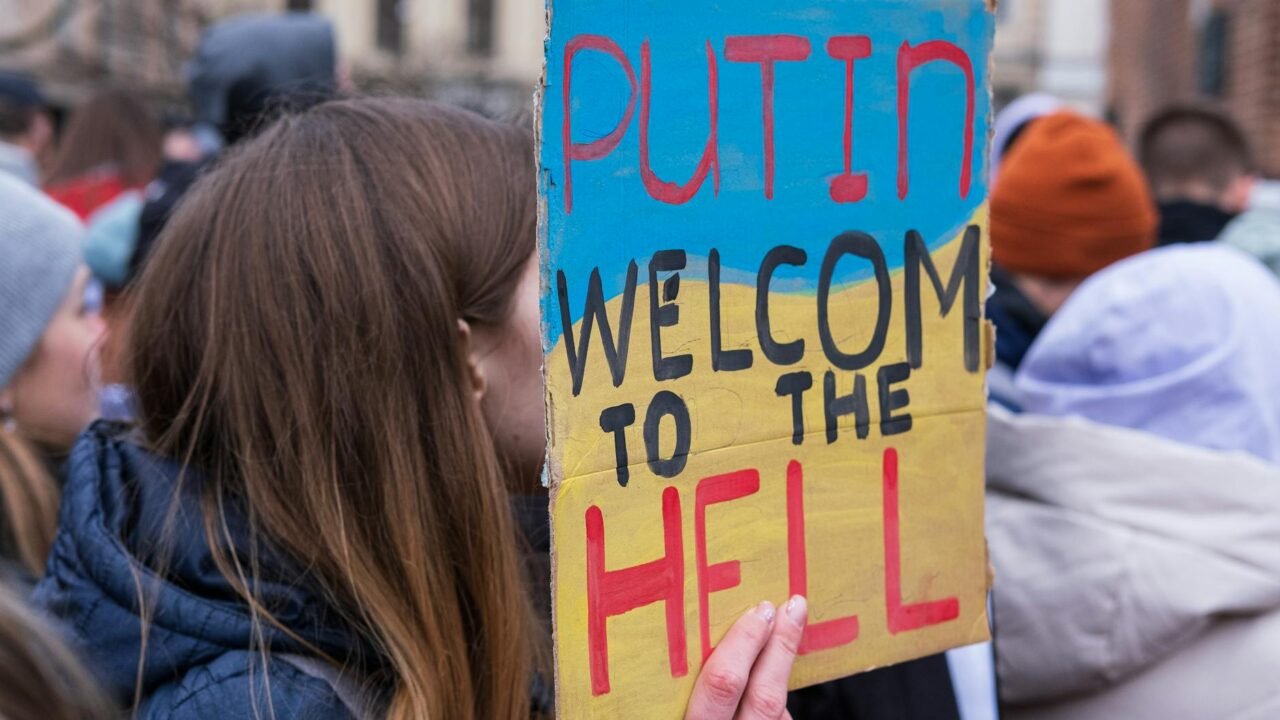
Russian President Vladimir Putin has indicated that the conflict in Ukraine is approaching its conclusion, a statement that comes as Moscow navigates a complex domestic landscape marked by public dissatisfaction and an unyielding stance on its core demands. The dual messaging suggests a strategic effort by the Kremlin to manage perceptions both internally and on the international stage, even as the realities on the ground continue to evolve.
Information reaching Tahir Rihat suggests that Putin’s remarks, made in a recent address, signal a potential shift in the public narrative surrounding the protracted military operation. However, these pronouncements are juxtaposed with a clear refusal to compromise on the fundamental objectives that initiated the campaign. This delicate balancing act underscores the Kremlin’s challenge in reconciling the human and economic costs of the war with its strategic ambitions.
The Russian leader’s comments acknowledge the growing weariness within Russia regarding the ongoing hostilities, a sentiment that has been simmering beneath the surface of official pronouncements. While the state-controlled media has largely maintained a narrative of progress and inevitability, anecdotal evidence and independent reporting have pointed to increasing public concern over casualties and the long-term implications of the conflict. Putin’s apparent recognition of this discontent is a notable departure from previous rhetoric that often downplayed or dismissed such sentiments.
Despite these acknowledgments, the core tenets of Russia’s demands remain firmly in place. These include security guarantees that would effectively curtail Ukraine’s sovereign choices regarding alliances and its military posture, as well as recognition of territorial gains. The insistence on these points, even as the war enters a new phase, indicates that the Kremlin views them as non-negotiable prerequisites for any lasting resolution. This steadfastness presents a significant hurdle to diplomatic de-escalation and suggests that the path to peace remains fraught with complexity.
The international community, meanwhile, continues to monitor the situation with a mixture of apprehension and resolve. Western nations and their allies have largely maintained their support for Ukraine, providing substantial military and financial aid. The prevailing sentiment among these powers is that any resolution must respect Ukraine’s sovereignty and territorial integrity, a position that directly conflicts with Russia’s stated demands. This fundamental divergence in objectives has prolonged the conflict and deepened the geopolitical divide.
Analysts suggest that Putin’s carefully worded statements are designed to achieve several objectives. Firstly, they aim to project an image of control and foresight, suggesting that Russia is dictating the terms of the war’s conclusion. Secondly, by acknowledging the war’s impending end, the Kremlin may be attempting to preemptively manage expectations and mitigate the impact of any future setbacks. Thirdly, the continued emphasis on demands serves to reinforce the narrative that Russia is acting out of necessity and in defense of its vital interests, thereby seeking to legitimize its actions to both domestic and international audiences.
The economic ramifications of the prolonged conflict continue to be a significant factor. Sanctions imposed by Western nations have had a discernible impact on the Russian economy, although the full extent of their long-term consequences remains a subject of debate. Russia has sought to mitigate these effects through various measures, including redirecting trade and bolstering domestic production. However, the sustained pressure is likely to continue to shape Moscow’s decision-making calculus.
The military situation on the ground remains fluid, with both sides engaged in intense fighting. Reports from the front lines indicate a war of attrition, characterized by significant matériel losses and a high human cost. The strategic objectives of both Russia and Ukraine continue to be pursued through a combination of offensive operations and defensive measures, making any definitive pronouncements about the war’s imminent end premature from a purely military perspective.
The interplay between domestic political considerations and foreign policy objectives is particularly evident in Putin’s current messaging. The need to maintain public support, or at least acquiescence, in a country where dissent is heavily suppressed, is a constant factor for any leader. By signaling a potential end to the war, Putin may be seeking to shore up his domestic standing and alleviate some of the economic and social pressures that the conflict has engendered. However, the unwavering adherence to his demands suggests that he is unwilling to sacrifice what he perceives as Russia’s core national interests to achieve a swift peace.
The international response to Putin’s statements is likely to be cautious. While any indication of de-escalation is generally welcomed, the underlying conditions and demands remain significant obstacles. Diplomatic efforts, though often stalled, are expected to continue, with various international actors seeking avenues for dialogue and mediation. The ultimate outcome, however, will depend on the willingness of both sides to make concessions, a prospect that currently appears distant given the entrenched positions.
The narrative surrounding the war’s end is thus a complex tapestry woven from strategic pronouncements, domestic pressures, and the harsh realities of ongoing hostilities. As the conflict continues, the world watches to see whether Putin’s signals of an approaching conclusion will translate into tangible steps toward peace, or if they represent a calculated maneuver within a larger, unresolved geopolitical struggle.

Tahir Rihat (also known as Tahir Bilal) is an independent journalist, activist, and digital media professional from the Chenab Valley of Jammu and Kashmir, India. He is best known for his work as the Online Editor at The Chenab Times.



Leave a Reply