
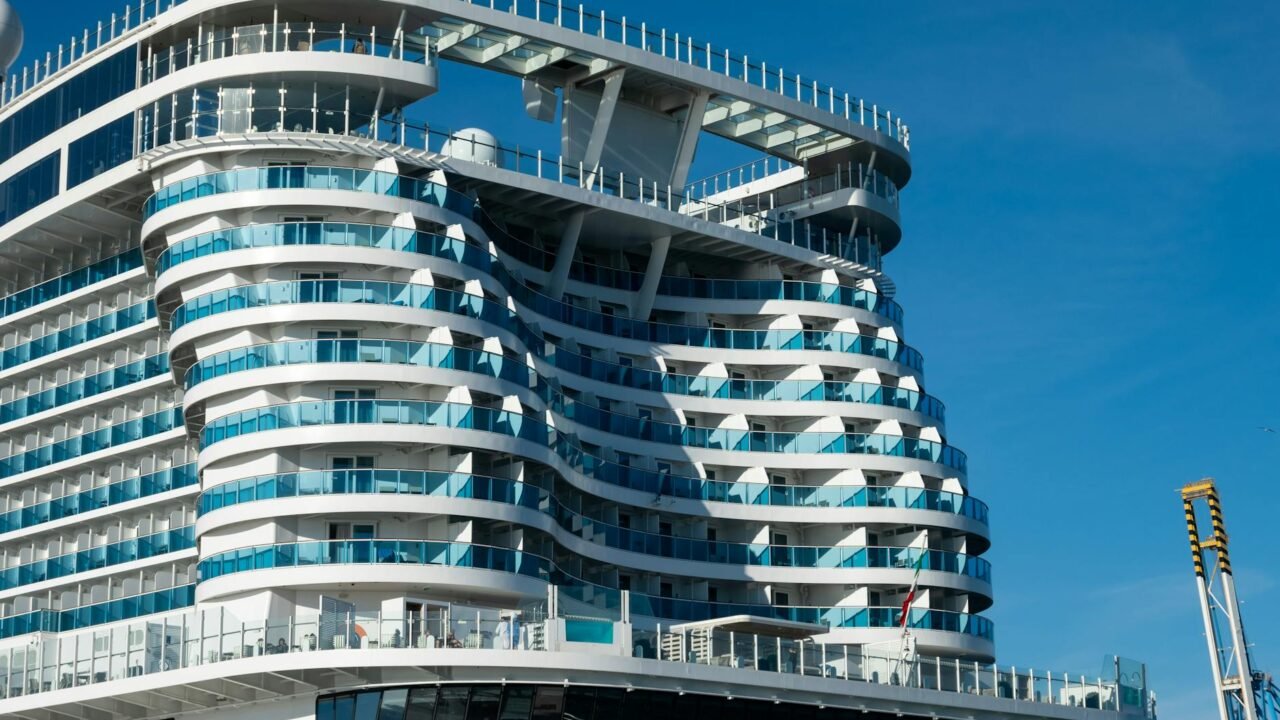
A cruise ship that experienced a hantavirus outbreak has completed the disembarkation of its passengers in the Canary Islands. A reduced crew is now en route to Rotterdam in the Netherlands, where the vessel is scheduled to undergo a thorough disinfection process, according to official statements.
The ship, which had been navigating waters near the Canary Islands, became the center of concern following the detection of hantavirus, a potentially severe respiratory illness transmitted by rodents. The initial reports of the outbreak prompted swift action from health authorities and the ship’s operators to manage the situation and ensure the well-being of those on board.
As per information available with Tahir Rihat, the final group of evacuees disembarked on the Canary Islands. This marked the end of the passenger phase of the operation, allowing for the next stage of managing the vessel. The focus has now shifted to the logistical and health-related measures required to address the situation comprehensively.
The journey towards Rotterdam signifies a crucial step in containing any potential spread and ensuring the ship can be safely returned to service or handled appropriately. The Netherlands port was chosen for its facilities and expertise in handling such health-related maritime incidents. The disinfection protocol is expected to be extensive, targeting all areas of the ship where the virus may have been present.
Hantaviruses are a group of viruses spread by rodents. While many hantaviruses only cause mild illness, some can cause severe and life-threatening diseases in humans. The primary mode of transmission is through inhaling dust contaminated with the urine, droppings, or saliva of infected rodents. Less commonly, transmission can occur through bites from infected rodents or direct contact with rodent excreta.
The symptoms of hantavirus pulmonary syndrome (HPS), the most severe form of the illness, typically appear one to eight weeks after exposure. Initial symptoms often resemble the flu, including fever, muscle aches, fatigue, and headache. As the illness progresses, it can lead to shortness of breath, coughing, and fluid in the lungs, potentially developing into respiratory failure. Early diagnosis and medical intervention are critical for improving outcomes.
The incident aboard the cruise ship highlights the ongoing challenges in managing infectious diseases in confined environments, particularly in the context of international travel. Health organizations and maritime authorities continuously work to establish and enforce protocols to mitigate such risks. The swift response in the Canary Islands and the planned disinfection in Rotterdam underscore the layered approach to public health security in the global travel industry.
The specific details regarding the number of individuals affected by the hantavirus, the exact timeline of the outbreak, and the measures taken during the passenger disembarkation were not immediately available in the provided information. However, the successful evacuation of passengers indicates that the immediate health concerns for those on board have been addressed. The focus now transitions to the ship itself and the broader implications for maritime health safety.
The process of disinfecting a large vessel like a cruise ship is a complex undertaking. It involves not only cleaning and sanitizing surfaces but also ensuring that any potential rodent habitats are eliminated and that ventilation systems are thoroughly cleaned. Experts in pest control and infectious disease management are typically involved in such operations to ensure their effectiveness.
The Canary Islands, a popular tourist destination, have been the site of significant international maritime activity. The handling of this health scare demonstrates the region’s preparedness to manage public health emergencies in coordination with international partners. The successful disembarkation of passengers, some of whom may have required medical attention, is a testament to the coordinated efforts of local health services and the ship’s medical staff.
The journey to Rotterdam is expected to be closely monitored by health authorities in both the Netherlands and potentially other countries along the ship’s route. The goal is to prevent any secondary transmission and to ensure that the disinfection process is carried out to the highest standards. The maritime industry, which relies heavily on public confidence, will be keenly observing the resolution of this incident and the subsequent measures implemented to bolster safety protocols.
The hantavirus, while not as widely known as some other infectious diseases, poses a significant public health threat when outbreaks occur. Its association with rodents means that environmental factors and rodent control play a crucial role in its prevention. In the context of a cruise ship, this would involve rigorous sanitation and pest management practices to eliminate potential sources of infection.
The decision to sail the ship to Rotterdam for disinfection suggests a strategic approach to managing the situation. It allows for a controlled environment where specialized teams can work without the immediate pressures of a tourist destination. The Netherlands, with its robust public health infrastructure and experience in international trade and shipping, is well-equipped to handle the complex task of sanitizing the vessel.
The ongoing situation serves as a reminder of the interconnectedness of global health and the importance of preparedness in the face of emerging health threats. As the ship makes its way to Rotterdam, the focus remains on ensuring the safety of all involved and on implementing measures that will prevent future occurrences.

Tahir Rihat (also known as Tahir Bilal) is an independent journalist, activist, and digital media professional from the Chenab Valley of Jammu and Kashmir, India. He is best known for his work as the Online Editor at The Chenab Times.






Leave a Reply