
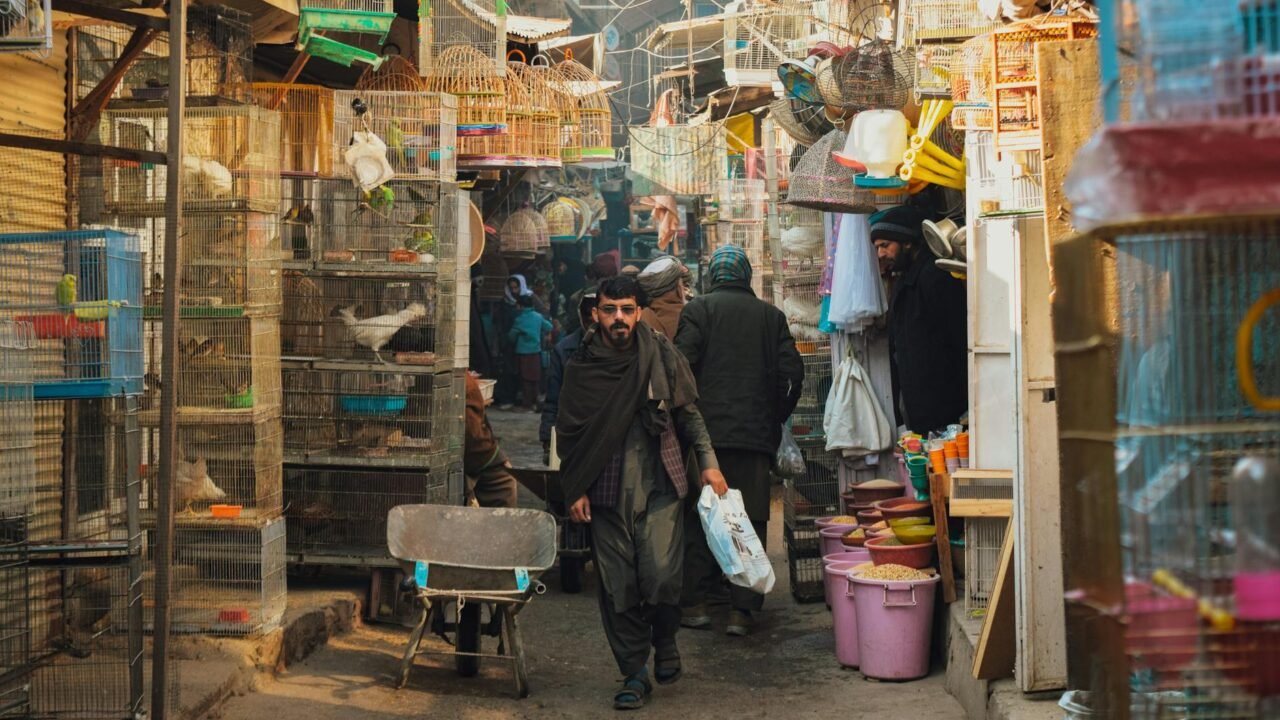
As tensions escalate in the Gulf, Afghanistan is exploring alternative commercial routes through Central Asia to mitigate the impact of regional instability on humanitarian aid and essential supplies. The ongoing conflicts, particularly those affecting the Strait of Hormuz, are disrupting traditional supply lines and significantly increasing the cost of delivering vital assistance to the landlocked nation.
The situation in the Strait of Hormuz, primarily viewed through the lens of energy security and military escalation, is casting a long shadow on humanitarian efforts. According to a recent report in The Guardian, disruptions around this critical chokepoint are causing traditional humanitarian supply routes to falter, leaving Afghanistan increasingly vulnerable. As per information available with TahirRihat.com, the cost of delivering food to Afghanistan has tripled, placing an immense strain on aid organizations and the Afghan population.
Cargo shipments that once transited through Hormuz to Pakistani ports now face lengthy overland routes across multiple countries, adding weeks to delivery schedules. This delay has severe consequences for vulnerable populations, particularly children who rely on consistent access to food and medical supplies. Some shipments are reportedly stranded in regional hubs, unable to reach their intended destinations. The dependence of landlocked countries like Afghanistan on imports of food grains, essential provisions, and humanitarian aid underscores the importance of predictable and stable supply routes.
The article also touches upon broader geopolitical dynamics, referencing the disapproval of Russia and China towards American armed intervention in the Iran-Israel conflict. The author notes their pro-Iranian stance aligns with their historical anti-imperialist stance. Conversely, it recalls former President Trump’s warning to Iran regarding the treatment of civilians and potential U.S. intervention based on human rights concerns.
The piece further examines the implications of the Taliban’s victory over American and NATO forces in August 2021, leading to Pakistan feeling slighted by the Taliban’s reluctance to accept Pakistani influence on its national and foreign policies. Pakistan, reportedly disgruntled, adopted a combative stance against the Kabul regime, citing concerns over the alleged harboring of TTP rogue elements and the contentious Durand Line border issue. Kabul has consistently rejected Pakistan’s assertions.
These disagreements have purportedly led to cross-border skirmishes, resulting in casualties on both sides. Simultaneously, amidst escalating tensions in the Strait of Hormuz, former President Trump allegedly showed a keen interest in engaging with the Pakistani army chief, including a White House lunch and private meetings. The details of these discussions remain undisclosed, but the timing coincided with Trump’s alleged ambition to recapture the strategic Bagram air base in Afghanistan. It was believed that control of Bagram would enable surveillance of Russian military activities in Central Asia and Chinese strategies along the Himalayan border (The Daily Excelsior reported).
The narrative suggests that Pakistani air force actions in Paktia province and Kabul may have been influenced by tacit encouragement from the Pentagon, aligning with Trump’s alleged strategy to weaken Afghanistan and facilitate the seizure of Bagram airport. The author emphasizes the Afghan commitment to rejecting the Durand Line and resisting Pakistani influence with India showing friendship to Afghanistan.
The article highlights the silence of the 53-member Organization of Islamic Cooperation (OIC) regarding the alleged Pakistani air force bombardment of Kabul. It also notes the muted response from Iran, expressing only limited concern about regional insecurity, implying a preference for Pakistan over potential instability. These geopolitical undercurrents further complicate the humanitarian crisis unfolding in Afghanistan, where access to vital resources is dwindling due to regional conflicts and disruptions to established trade routes. The search for alternative pathways through Central Asia represents a critical effort to alleviate the suffering of the Afghan people amid these challenging circumstances.

Tahir Rihat (also known as Tahir Bilal) is an independent journalist, activist, and digital media professional from the Chenab Valley of Jammu and Kashmir, India. He is best known for his work as the Online Editor at The Chenab Times.


Leave a Reply