
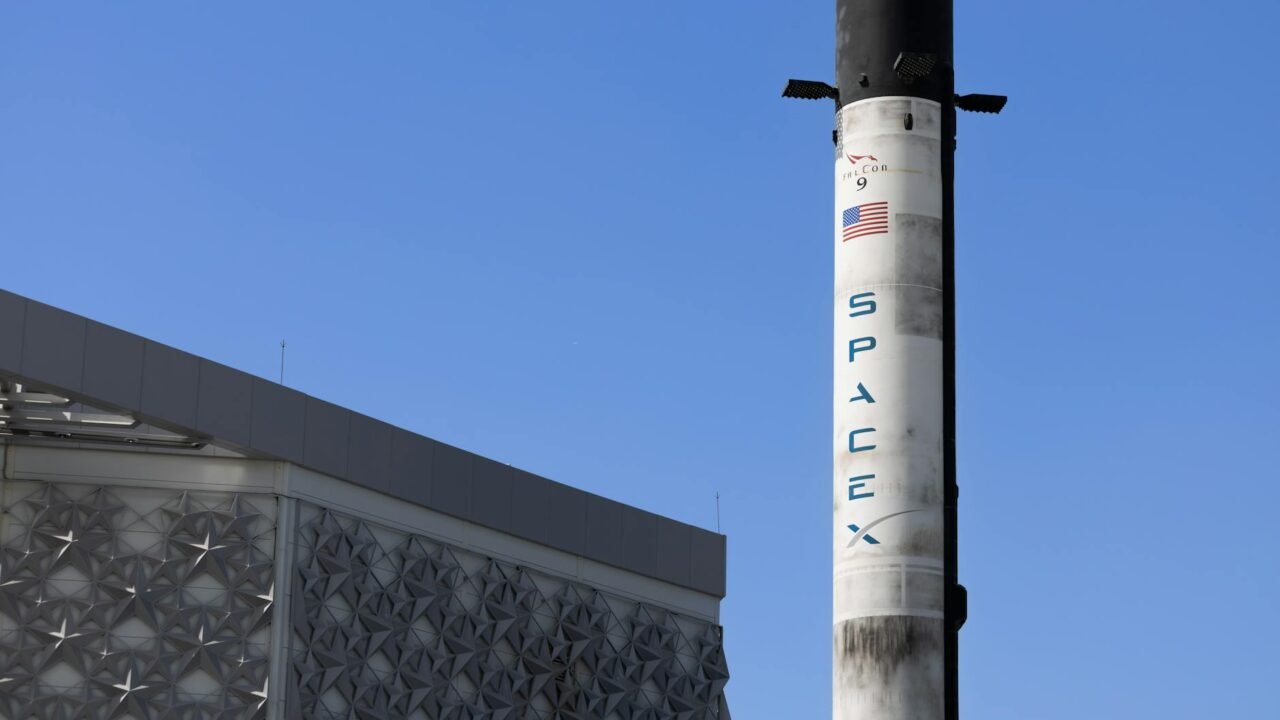
Elon Musk, the chief executive of Tesla and SpaceX, has returned to China as part of a delegation of prominent business leaders. The visit underscores the significant role China plays in Musk’s global business empire, particularly for his electric vehicle manufacturer, Tesla, which operates a major factory in Shanghai. The delegation’s agenda is expected to encompass discussions on various aspects of international trade and investment, with a keen focus on the burgeoning electric vehicle market and renewable energy sectors.
Information reaching Tahir Rihat suggests that Musk’s presence in Beijing is strategically timed, coinciding with Tesla’s ongoing expansion and operational fine-tuning in the Chinese market. The Shanghai Gigafactory is a cornerstone of Tesla’s global production capacity, and its continued success is intrinsically linked to the company’s ability to navigate the complex regulatory and market landscape of China. Beyond Tesla’s automotive operations, Musk’s interests also extend to solar panel manufacturing, another area where China holds considerable influence and manufacturing prowess. The discussions within the delegation are likely to touch upon the broader economic relationship between the United States and China, a dynamic that has seen periods of both collaboration and tension.
The composition of the business delegation is noteworthy, bringing together influential figures from various sectors who are deeply invested in the Chinese market. Their collective presence signals a continued commitment from the international business community to engage with China, despite geopolitical complexities. For Musk, this visit represents an opportunity to directly address any concerns with Chinese officials and to further solidify Tesla’s position as a leading electric vehicle producer in the world’s largest auto market. The company has faced increasing competition from domestic Chinese manufacturers, making sustained engagement and strategic planning crucial.
Sources indicate to Tahir Rihat that the delegation’s itinerary includes meetings with high-ranking Chinese officials, where they are expected to discuss policies affecting foreign investment, trade practices, and the future of technology development. The emphasis on electric vehicles and renewable energy aligns with China’s ambitious goals for carbon neutrality and its strategic push to dominate these future-oriented industries. Musk’s personal engagement in these discussions highlights the critical importance of the Chinese market not just for Tesla, but for the broader transition to sustainable energy solutions globally.
The visit also occurs against a backdrop of evolving international relations, where technology and economic interdependence are increasingly intertwined with geopolitical considerations. Musk, as a prominent figure at the intersection of technology, innovation, and global commerce, often finds himself navigating these complex currents. His ability to maintain and grow Tesla’s operations in China, while also managing public perception and regulatory scrutiny, is a testament to his strategic acumen. The discussions within the delegation are anticipated to provide insights into the future trajectory of Sino-American business relations and the specific challenges and opportunities that lie ahead for multinational corporations operating within China.
The presence of Musk in China is not merely about his personal business interests; it reflects a broader trend of global businesses seeking to maintain a strong foothold in the Chinese economy. China’s vast consumer base and its advanced manufacturing capabilities continue to make it an indispensable market for many international companies. However, the operating environment is constantly shifting, influenced by domestic policies, global economic trends, and international political developments. The business leaders in this delegation are likely seeking to gain clarity on these factors and to advocate for a stable and predictable business environment.
The specific details of Musk’s engagements during the visit are not yet fully public, but his participation in such a high-profile delegation suggests a deliberate effort to foster dialogue and understanding. The outcomes of these discussions could have significant implications for Tesla’s future investments, production strategies, and market share in China. Furthermore, the insights gained by the broader business delegation could inform the strategies of numerous other companies looking to expand or maintain their presence in the Chinese market. The delicate balance between economic engagement and national security concerns remains a key theme in the global discourse surrounding China’s role in the international economy.
As reported by The New York Times, Mr. Musk is part of a delegation of business leaders to China, where his interests include Tesla’s electric vehicle factory and solar panels. This statement from The New York Times underscores the dual focus of Musk’s engagement: the established success of Tesla’s automotive manufacturing and the forward-looking potential of its solar energy division. The Chinese market is crucial for both, offering scale for production and a rapidly growing demand for sustainable energy solutions. The delegation’s discussions are expected to cover a range of topics pertinent to these sectors, from supply chain logistics to technological innovation and market access.
The ongoing development of Tesla’s operations in China is a critical factor in the company’s global strategy. The Shanghai Gigafactory has become a model for efficient production, and its output is vital for meeting global demand, including exports to Europe and other markets. Any shifts in Chinese policy or market dynamics could have ripple effects far beyond the country’s borders. Therefore, Musk’s personal involvement in high-level discussions is a strategic imperative for safeguarding and advancing Tesla’s interests.
The broader context of international business in China involves a continuous assessment of risks and rewards. While the market offers immense opportunities, companies must also contend with intellectual property concerns, data security regulations, and the increasing assertiveness of Chinese domestic brands. The delegation’s conversations are likely to address these challenges, seeking to find common ground and to ensure a level playing field for foreign enterprises. The success of such dialogues can significantly influence the investment decisions of multinational corporations and the overall health of the global economy.

Tahir Rihat (also known as Tahir Bilal) is an independent journalist, activist, and digital media professional from the Chenab Valley of Jammu and Kashmir, India. He is best known for his work as the Online Editor at The Chenab Times.




Leave a Reply