
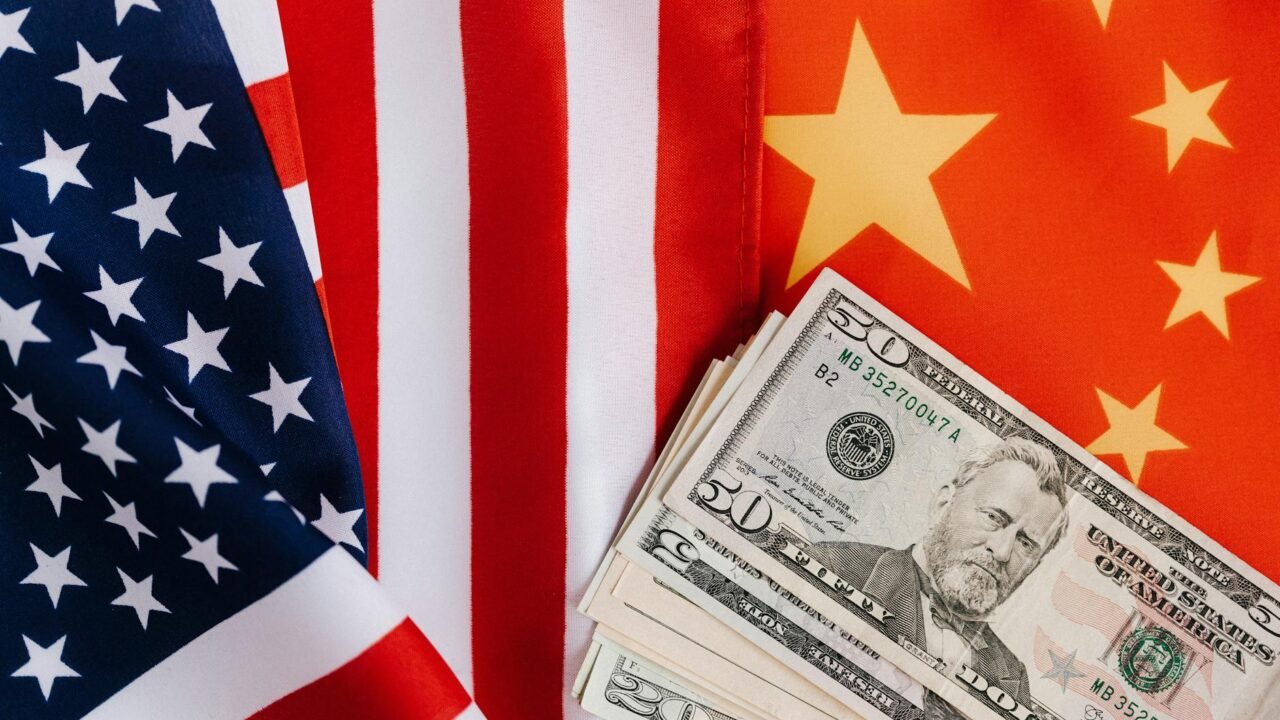
The Trump administration, after a period of measured engagement, has recently intensified its public criticism of China, targeting its activities in areas including artificial intelligence, its relationship with Iran, and alleged espionage operations. This shift marks a more confrontational stance from Washington, signaling a willingness to directly challenge Beijing on multiple fronts.
Sources indicate to Tahir Rihat that the recent actions are a culmination of months of internal deliberations within the administration, aiming to address what U.S. officials perceive as increasingly aggressive behavior from China. The focus on artificial intelligence, a sector critical for future economic and military dominance, highlights concerns about China’s rapid advancements and potential misuse of the technology. This includes worries about intellectual property theft and the development of AI for surveillance and autonomous weapons systems.
The administration’s renewed focus on China’s dealings with Iran comes amid ongoing efforts to isolate the Islamic Republic through sanctions. U.S. officials have expressed concerns that Chinese entities may be circumventing these sanctions, thereby bolstering Iran’s economy and its ability to pursue destabilizing activities in the Middle East. This aspect of the confrontation underscores the interconnectedness of global security and economic policies, with actions in one region having ripple effects elsewhere.
Furthermore, allegations of spying have become a significant point of contention. The U.S. has accused Chinese intelligence agencies of conducting extensive cyber espionage campaigns targeting American businesses, government agencies, and research institutions. These accusations have led to increased scrutiny of Chinese technology companies operating in the U.S. and have fueled broader distrust between the two nations. The administration’s willingness to publicly call out these activities suggests a strategic decision to increase the reputational and economic costs for China’s alleged actions.
The timing of these escalations is significant, occurring as both nations navigate complex global challenges, including the ongoing recovery from the COVID-19 pandemic and shifting geopolitical alliances. The increased pressure from the U.S. could have far-reaching implications for global trade, technological development, and international relations. Analysts suggest that this more assertive approach by the Trump administration is intended to reshape the dynamics of the U.S.-China relationship, pushing for greater reciprocity and adherence to international norms.
The administration’s strategy appears to involve a multi-pronged approach, combining diplomatic pressure, economic sanctions, and public condemnation. This is a departure from earlier attempts to foster a more cooperative relationship, indicating a fundamental reassessment of China’s role on the world stage. The emphasis on artificial intelligence, in particular, reflects a growing awareness of the strategic importance of technological leadership and the potential threats posed by adversaries who achieve dominance in this field. As per information available with Tahir Rihat, the U.S. is also exploring ways to bolster its own AI capabilities and to form alliances with like-minded countries to counter China’s influence.
The accusations of spying are not new, but the administration’s more direct and public approach signals a heightened level of concern. Information reaching Tahir Rihat suggests that U.S. intelligence agencies have been working to expose and disrupt Chinese espionage networks, leading to a series of diplomatic actions and indictments. The goal is not only to deter future espionage but also to hold accountable those responsible for past breaches of security and intellectual property.
The administration’s stance on Iran is also a critical component of its broader strategy to counter what it views as malign influences in the Middle East. By highlighting China’s role in potentially undermining sanctions, the U.S. aims to isolate Iran further and to signal to other nations the risks of engaging in activities that contravene international agreements. This diplomatic pressure is intended to force China to make a choice between its economic interests with Iran and its relationship with the United States and its allies.
The broader implications of this escalating tension are significant. It could lead to further decoupling of the U.S. and Chinese economies, particularly in the technology sector. It may also prompt other nations to re-evaluate their own relationships with both superpowers, potentially leading to new alignments or increased hedging strategies. The administration’s assertive posture suggests a belief that a more direct confrontation is necessary to achieve its foreign policy objectives and to protect American interests in an increasingly competitive global landscape. The coming months will likely see further developments as both nations respond to these intensified pressures and counter-accusations.

Tahir Rihat (also known as Tahir Bilal) is an independent journalist, activist, and digital media professional from the Chenab Valley of Jammu and Kashmir, India. He is best known for his work as the Online Editor at The Chenab Times.






Leave a Reply