
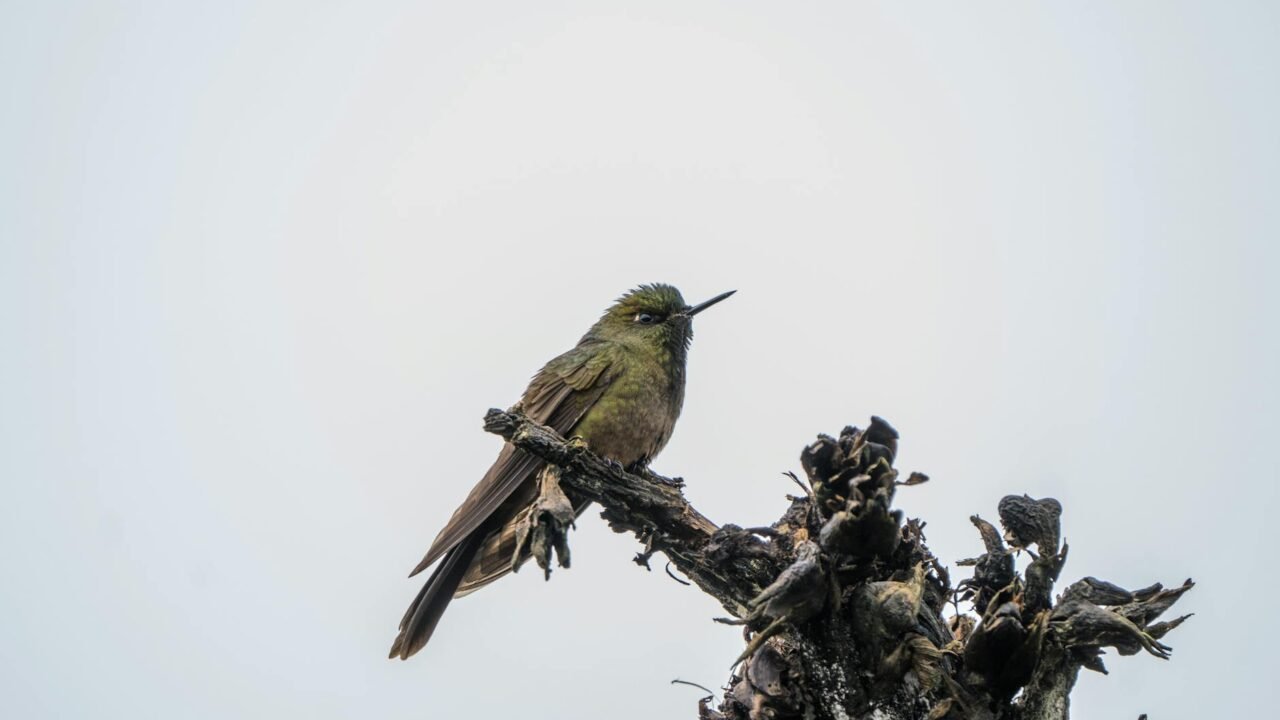
Colombia, a nation renowned for its unparalleled biodiversity, is experiencing a significant surge in tourism driven by a burgeoning interest in birdwatching, a phenomenon significantly amplified by the accessibility and sophistication of modern digital tools. The country boasts the highest number of bird species documented by ornithologists globally, making it a prime destination for enthusiasts and researchers alike. This rich avian tapestry, once primarily explored by dedicated naturalists, is now being brought to a wider audience through user-friendly applications that aid in identification and data collection.
Information reaching Tahir Rihat suggests that the integration of technology, particularly mobile applications like Merlin and eBird, has been instrumental in transforming the birding landscape. These platforms not only assist amateur and experienced birdwatchers in identifying species through sound and visual cues but also contribute to citizen science initiatives by cataloging sightings. This democratization of bird identification has lowered the barrier to entry, encouraging more people to engage with the natural world and, consequently, to travel to destinations like Colombia specifically for this purpose.
The Merlin Bird ID app, developed by the Cornell Lab of Ornithology, is at the forefront of this movement. It allows users to input observed characteristics, such as color, size, and location, or even record bird songs, to receive potential species matches. This interactive approach has proven particularly effective in engaging a new generation of nature enthusiasts. Similarly, eBird serves as a global database where birders can log their sightings, contributing valuable data for scientific research on bird populations, migration patterns, and conservation efforts. The collective data generated by these apps provides invaluable insights into the health and distribution of avian populations worldwide.
The economic implications of this “avian tourism” are substantial for Colombia. Local communities that were once reliant on more traditional forms of tourism are now seeing new opportunities emerge. This includes the development of specialized birding tours, eco-lodges catering to birdwatchers, and guiding services offered by individuals with intimate knowledge of local bird habitats. The demand for these services is growing as more international tourists plan trips specifically to witness Colombia’s diverse birdlife. This trend not only generates revenue but also fosters a greater appreciation for conservation among local populations, who become stewards of the natural resources that attract visitors.
The success of these applications in fostering tourism is a testament to the power of technology in connecting people with nature and driving economic development. As more individuals become aware of the incredible avian diversity that Colombia offers, the demand for sustainable tourism practices is also expected to rise. This could lead to increased investment in conservation initiatives and protected areas, further safeguarding the country’s natural heritage. The synergy between digital innovation and natural heritage is creating a new paradigm for tourism, one that is both educational and economically beneficial.
The Cornell Lab of Ornithology, a leading institution in ornithological research and conservation, has played a pivotal role in developing the tools that are facilitating this avian tourism boom. Their commitment to making scientific knowledge accessible to the public through intuitive applications has had a profound impact. The Merlin app, for instance, has been downloaded by millions worldwide, introducing a vast number of people to the joys of bird identification. This widespread adoption means that potential visitors are often already familiar with the birdlife of a region before they even arrive, enhancing their experience and encouraging deeper engagement.
The impact extends beyond individual birdwatchers. Tour operators and conservation organizations are also leveraging these platforms. They can use the data generated by eBird to identify areas of high bird diversity that would be ideal for new ecotourism ventures or to monitor the effectiveness of conservation strategies. This data-driven approach allows for more targeted and efficient conservation efforts, ensuring that resources are directed towards areas where they will have the greatest impact. The collaborative nature of these platforms fosters a sense of community among birders, encouraging knowledge sharing and mutual support.
Colombia’s government and tourism boards have recognized the potential of this niche market and are increasingly promoting the country as a premier birdwatching destination. This includes developing infrastructure that supports ecotourism, such as well-maintained trails and visitor centers, and implementing policies that protect natural habitats. The focus on sustainable tourism ensures that the growth of birding tourism does not come at the expense of the environment, a critical consideration for a country so rich in biodiversity.
The narrative of Colombia’s avian tourism is one of technological empowerment meeting natural wonder. The apps provide the bridge, allowing a global audience to discover and appreciate the extraordinary avian richness of the country. This is not merely about spotting birds; it is about fostering a deeper connection with the natural world, contributing to scientific understanding, and supporting local economies through responsible and sustainable tourism practices. The continued evolution of these digital tools promises to further unlock the potential of birdwatching as a significant driver of tourism and conservation in Colombia and beyond.
The accessibility of these digital tools has also encouraged a more inclusive approach to nature observation. Previously, detailed field guides and extensive knowledge were often required to identify birds, limiting participation to a dedicated few. Now, with a smartphone and an app like Merlin, anyone can begin to explore the avian world around them. This has led to a broader appreciation for local biodiversity and a greater understanding of the importance of conservation. The ability to identify a bird by its song, for example, opens up a new dimension of engagement for visitors who might otherwise miss the presence of many species.
Furthermore, the data collected through these citizen science platforms is invaluable for long-term ecological monitoring. Researchers can track changes in bird populations over time, identify species that are in decline, and understand the impact of environmental changes, such as climate change and habitat loss. This information is crucial for developing effective conservation strategies and for advocating for policies that protect biodiversity. The collaborative effort of millions of birdwatchers worldwide, facilitated by these apps, creates a powerful force for environmental awareness and action.
The economic benefits are not limited to the direct tourism sector. The demand for bird-related products, such as binoculars, cameras, and specialized clothing, also sees an increase. Local artisans may also find opportunities to create and sell crafts inspired by the region’s birdlife. This ripple effect demonstrates how a focused tourism niche can stimulate a broader range of economic activities within a community, fostering diversified growth and resilience.
The story of Colombia’s birding apps and their impact on tourism is a compelling example of how innovation can be harnessed to promote both economic development and environmental stewardship. As technology continues to advance, it is likely that even more sophisticated tools will emerge, further enhancing the birdwatching experience and solidifying Colombia’s position as a world-leading destination for avian tourism. The future of this sector appears bright, promising continued growth and a deepening commitment to conservation.

Tahir Rihat (also known as Tahir Bilal) is an independent journalist, activist, and digital media professional from the Chenab Valley of Jammu and Kashmir, India. He is best known for his work as the Online Editor at The Chenab Times.






Leave a Reply