
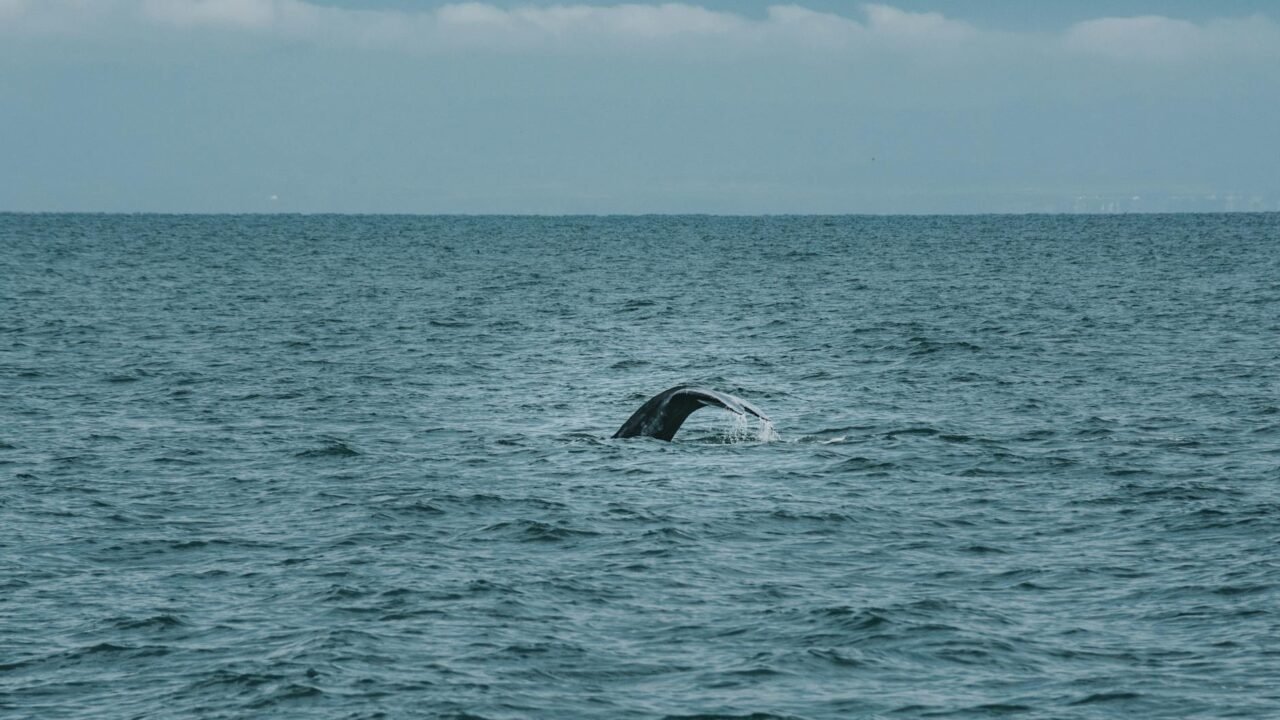
A humpback whale, affectionately nicknamed Timmy, became the focus of intense national attention and a symbol of hope as it navigated the shallow waters of the Baltic Sea, eventually becoming stranded off the German coast. The whale’s plight captivated Denmark, uniting the nation in a shared concern and a collective effort to ensure its survival. However, what began as a heartwarming display of public engagement and a testament to conservation efforts soon devolved into a complex and contentious aftermath, marked by finger-pointing and recrimination among the various agencies and individuals involved in the rescue attempts.
Information reaching Tahir Rihat suggests that the initial sighting of the humpback whale in the shallow waters of the Great Belt, a strait separating the Danish islands of Funen and Zealand, triggered a swift response from marine biologists and animal welfare organizations. The whale, believed to be a young male, was observed struggling in waters far too shallow for its size, raising immediate fears for its well-being. The sheer scale of the animal, estimated to be around 10 meters in length, made any direct intervention fraught with challenges, yet the determination to save it was palpable.
As the whale continued its disoriented journey, moving from Danish waters into the Kiel Bay in Germany, the international dimension of the rescue effort became apparent. German authorities, in coordination with Danish counterparts, mobilized resources to monitor the animal and explore potential rescue strategies. The operation involved a complex logistical undertaking, with teams of experts working around the clock to assess the whale’s condition and the feasibility of various interventions. The public’s fascination with Timmy’s journey was amplified by constant media coverage, which portrayed the whale as a vulnerable creature fighting for survival against the odds.
The initial phase of the rescue was characterized by a sense of unity and purpose. Volunteers and professionals alike offered their expertise and time, driven by a shared desire to see the whale return to its natural habitat. However, as the situation grew more precarious and the whale’s movements became increasingly erratic, the strain on the rescue teams and the inherent difficulties of such an operation began to surface. The whale’s repeated attempts to navigate the shallow areas and its apparent distress underscored the complex challenges of marine mammal rescue, particularly when dealing with large cetaceans in confined or unfamiliar environments.
The eventual death of the humpback whale, which was found deceased in Danish waters after a period of intense rescue efforts, marked a tragic end to the saga. The news was met with widespread disappointment and a profound sense of loss, not only for those directly involved in the rescue but also for the countless individuals who had followed Timmy’s journey with bated breath. The collective hope that had been fostered throughout the ordeal was replaced by a somber reflection on the limitations of human intervention in the face of natural forces and the inherent vulnerabilities of marine life.
Following the whale’s demise, a period of intense scrutiny and blame began to emerge. Questions were raised about the effectiveness of the rescue strategies employed, the coordination between different agencies, and the ultimate decisions made during the crisis. Various parties involved in the operation found themselves defending their actions and pointing fingers at others, creating a complex web of accountability and dispute. The initial unity that had characterized the public’s response to Timmy’s plight seemed to dissipate, replaced by a more critical and fragmented discourse.
According to reports from the scene, disagreements arose over the best course of action, with differing opinions on whether to attempt to guide the whale back to deeper waters, sedate it, or even, in the most extreme scenarios, consider euthanasia to end its suffering. These debates, often conducted under immense pressure and with limited information, highlighted the ethical and practical dilemmas inherent in marine rescue operations. The sheer size and power of a humpback whale, coupled with its distressed state, made any attempt to physically move or manipulate it a dangerous and potentially harmful endeavor.
The narrative shifted from one of shared concern to one of investigative inquiry. Media outlets and animal welfare advocates began to dissect the timeline of events, scrutinizing the decisions made at each critical juncture. The involvement of multiple jurisdictions, including both Danish and German authorities, added another layer of complexity to the post-mortem analysis. Each agency had its own protocols, resources, and perspectives, and the challenge of seamless collaboration in a high-stakes, rapidly evolving situation became a focal point of the subsequent discussions.
The incident served as a stark reminder of the delicate balance between human intervention and the natural world. While the initial impulse to save Timmy was driven by compassion and a desire to protect wildlife, the outcome underscored the profound challenges and potential pitfalls of such interventions. The finger-pointing that ensued, while perhaps a natural human reaction to a tragic event, also highlighted the need for clearer protocols, improved inter-agency communication, and a more robust understanding of the complex factors involved in marine mammal rescue. The story of Timmy the whale, which began as a tale of hope and national unity, ultimately became a cautionary narrative about the complexities of conservation and the often-unforeseen consequences of our efforts to intervene in the lives of wild animals.

Tahir Rihat (also known as Tahir Bilal) is an independent journalist, activist, and digital media professional from the Chenab Valley of Jammu and Kashmir, India. He is best known for his work as the Online Editor at The Chenab Times.



Leave a Reply