
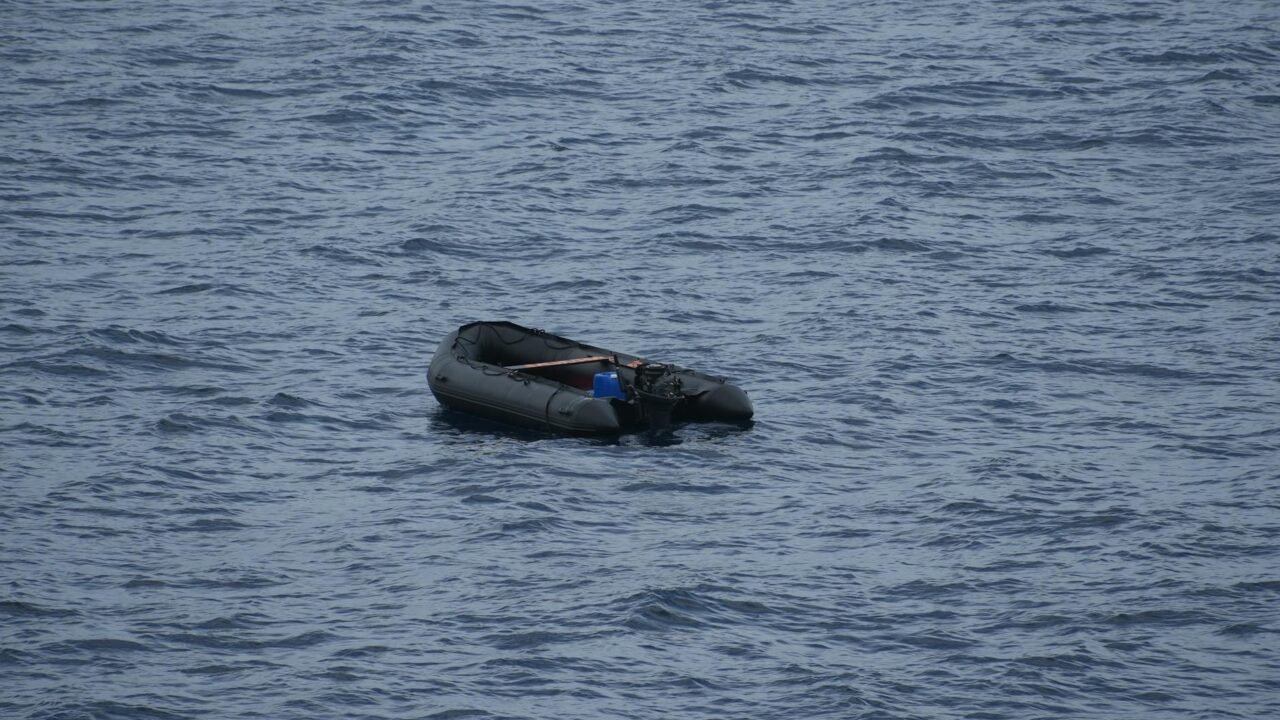
Dong Guangping, a 68-year-old Chinese dissident, has successfully reached South Korea after undertaking a perilous journey by rubber boat, marking his latest attempt to escape the confines of China. This daring escape, detailed in recent reports, highlights the persistent challenges faced by individuals seeking political freedom from the country. Dong’s previous attempts to flee China had resulted in his return, a fate his friends now hope will not be repeated.
The journey itself underscores the lengths to which dissidents are willing to go to seek refuge. Navigating treacherous waters in a small inflatable vessel is fraught with danger, from the unpredictable elements to the risk of interception. The success of this particular escape, however, offers a glimmer of hope for those who have previously been unsuccessful in their bids for freedom. Information reaching Tahir Rihat suggests that Dong Guangping’s friends are cautiously optimistic about his current situation, expressing a strong desire for a different outcome this time around.
Dong Guangping’s history of activism and his repeated attempts to leave China paint a picture of an individual deeply committed to his beliefs and unwilling to remain silent under the prevailing political climate. His previous returns to China, while undoubtedly disheartening, also speak to the resilience of his spirit. The details of his most recent escape, including the specific route and the circumstances surrounding his departure, are still emerging, but the fact of his arrival in South Korea is a significant development.
The international community has long been aware of the plight of Chinese dissidents and the challenges they face in expressing dissent or seeking alternative lives. Organizations dedicated to human rights and freedom of expression have often documented cases of individuals who have been detained, persecuted, or forced into exile. Dong Guangping’s story is likely to draw further attention to these ongoing issues.
South Korea, as a democratic nation, has historically provided refuge to those fleeing political persecution from neighboring countries. The process of asylum and resettlement can be complex, involving thorough vetting and integration into a new society. However, for individuals like Dong Guangping, the prospect of living in a free society, even with its own set of challenges, is a powerful motivator.
The implications of Dong Guangping’s successful escape extend beyond his personal narrative. It serves as a testament to the enduring human desire for liberty and the innovative, albeit risky, methods individuals will employ to achieve it. The international media’s attention to such stories can play a crucial role in raising awareness and potentially influencing international policy and diplomatic efforts concerning human rights in China.
As more information becomes available about Dong Guangping’s journey and his current status in South Korea, the narrative will undoubtedly continue to unfold. The focus will likely remain on his safety, his ability to find a secure future, and the broader context of political dissent within China. The resilience shown by individuals like Dong Guangping in the face of adversity continues to be a significant aspect of global human rights discourse.
The challenges faced by dissidents in China are multifaceted. They often contend with extensive surveillance, strict censorship, and a legal system that can be used to suppress opposition. For those who manage to circumvent these measures, the journey to safety is often perilous, involving clandestine networks and significant personal risk. The rubber boat escape, while dramatic, is indicative of the extreme measures that have become necessary for some to seek asylum.
Friends and supporters of Dong Guangping are reportedly working to ensure his well-being and to help him navigate the initial stages of his new life in South Korea. Their hope that this time will be different stems from a deep understanding of his past experiences and a fervent wish for him to finally find the peace and freedom he has long sought. The international response to his case will also be closely watched, as it can set precedents and influence future actions by both governments and human rights organizations.
The narrative of Dong Guangping’s escape is a stark reminder of the ongoing struggles for freedom of expression and political liberty in various parts of the world. His journey, from the shores of China to the safety of South Korea, is a testament to the courage of individuals who dare to challenge oppressive regimes, even at great personal cost. The coming days and weeks will likely bring further details and insights into this compelling story of escape and resilience.

Tahir Rihat (also known as Tahir Bilal) is an independent journalist, activist, and digital media professional from the Chenab Valley of Jammu and Kashmir, India. He is best known for his work as the Online Editor at The Chenab Times.





Leave a Reply