

A sweltering heatwave, arriving with unusual intensity for the spring season, has gripped parts of Europe, pushing temperatures to record-breaking levels in the United Kingdom, Spain, and France. Authorities in Britain and France have issued stark warnings, describing the conditions as “unprecedented” for this time of year, with expectations that the extreme heat could persist. This phenomenon underscores the growing impact of climate change, which scientists have long warned is making heatwaves more frequent and more severe across the globe.
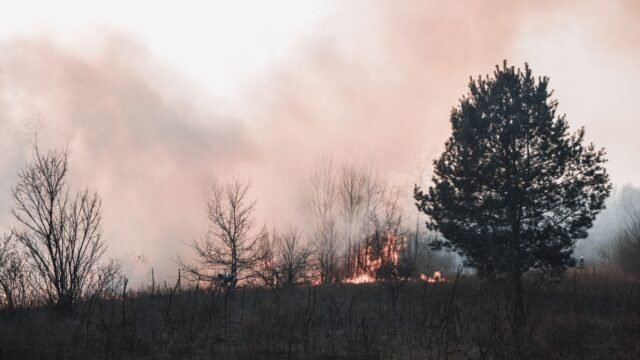
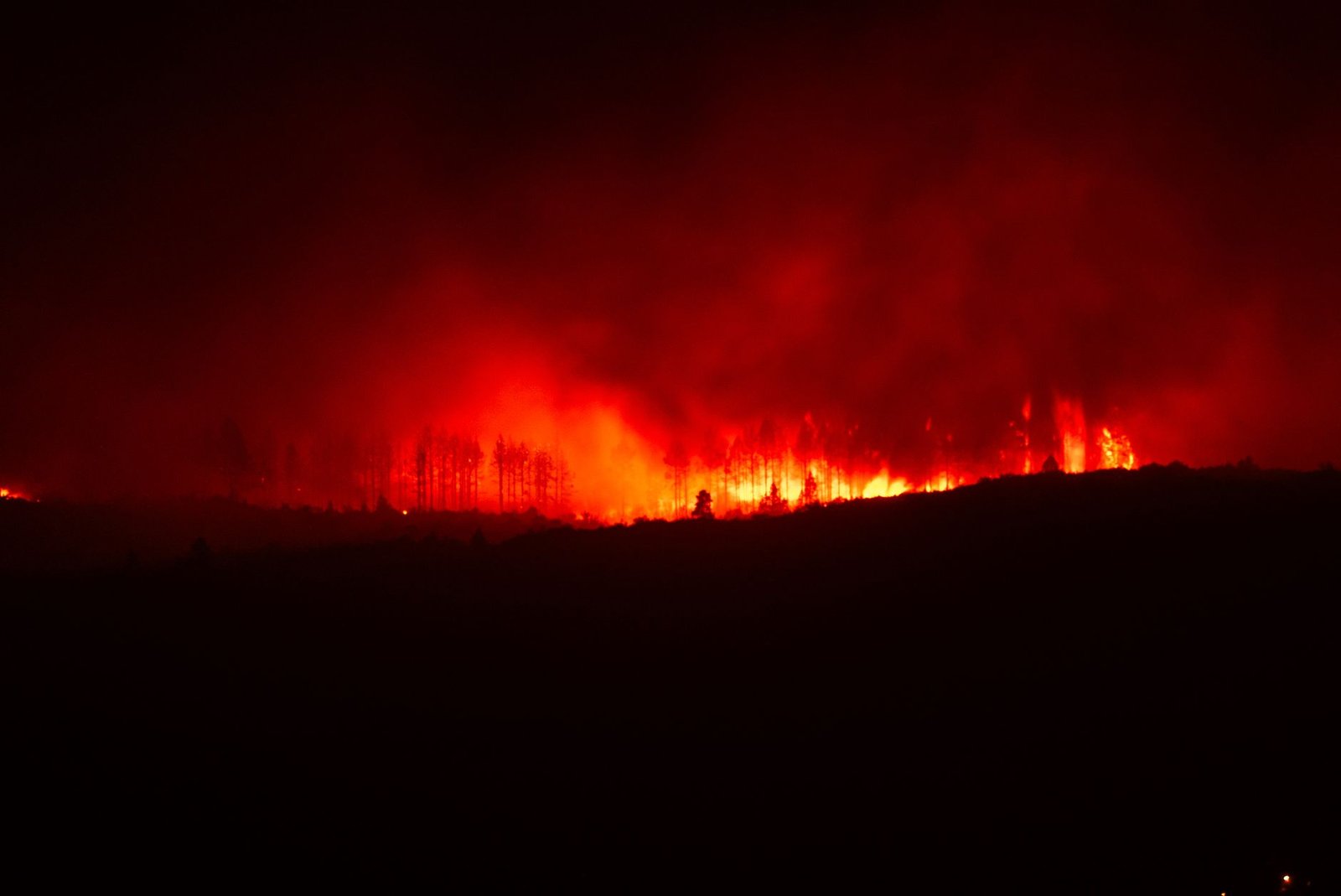
Information reaching Tahir Rihat suggests that the early onset and intensity of this heatwave are causing significant concern among meteorological experts and public health officials. In the United Kingdom, temperatures have soared to levels rarely seen before May, prompting advisories for vulnerable populations and concerns about strain on infrastructure not typically designed for such heat. Similarly, Spain and France are experiencing a dramatic spike in mercury, leading to heightened fire risks in some regions and a call for public vigilance.
The current meteorological situation is a stark reminder of the shifting climate patterns that are no longer confined to the traditional summer months. The “unprecedented” nature of this heatwave, as described by officials, highlights a deviation from historical norms, where such extreme temperatures were typically associated with later parts of the year. This early surge in heat is forcing a re-evaluation of preparedness strategies and public health messaging, as communities are compelled to adapt to a climate that is exhibiting increasingly unpredictable and extreme behaviors.
Climate change, a pervasive global issue, has been identified as a primary driver behind the increasing frequency and intensity of heatwaves. Scientific consensus points to the accumulation of greenhouse gases in the atmosphere, largely due to human activities, as the catalyst for rising global temperatures. This, in turn, creates conditions conducive to more prolonged and intense periods of extreme heat. The current situation in Europe serves as a tangible manifestation of these scientific predictions, demonstrating that the impacts of a warming planet are not a distant threat but a present reality, affecting daily life and posing significant challenges to societal resilience.
The implications of such an early and potent heatwave extend beyond immediate discomfort and health risks. Agricultural sectors may face challenges with crop yields and water availability. Energy grids could be put under strain due to increased demand for cooling. Furthermore, the psychological impact of experiencing extreme weather events outside of their expected seasonal context can contribute to broader anxieties about environmental stability and future climate scenarios. As authorities navigate the immediate crisis, the long-term strategies for climate adaptation and mitigation are brought into sharper focus by these record-breaking temperatures.

Tahir Rihat (also known as Tahir Bilal) is an independent journalist, activist, and digital media professional from the Chenab Valley of Jammu and Kashmir, India. He is best known for his work as the Online Editor at The Chenab Times.




Leave a Reply