
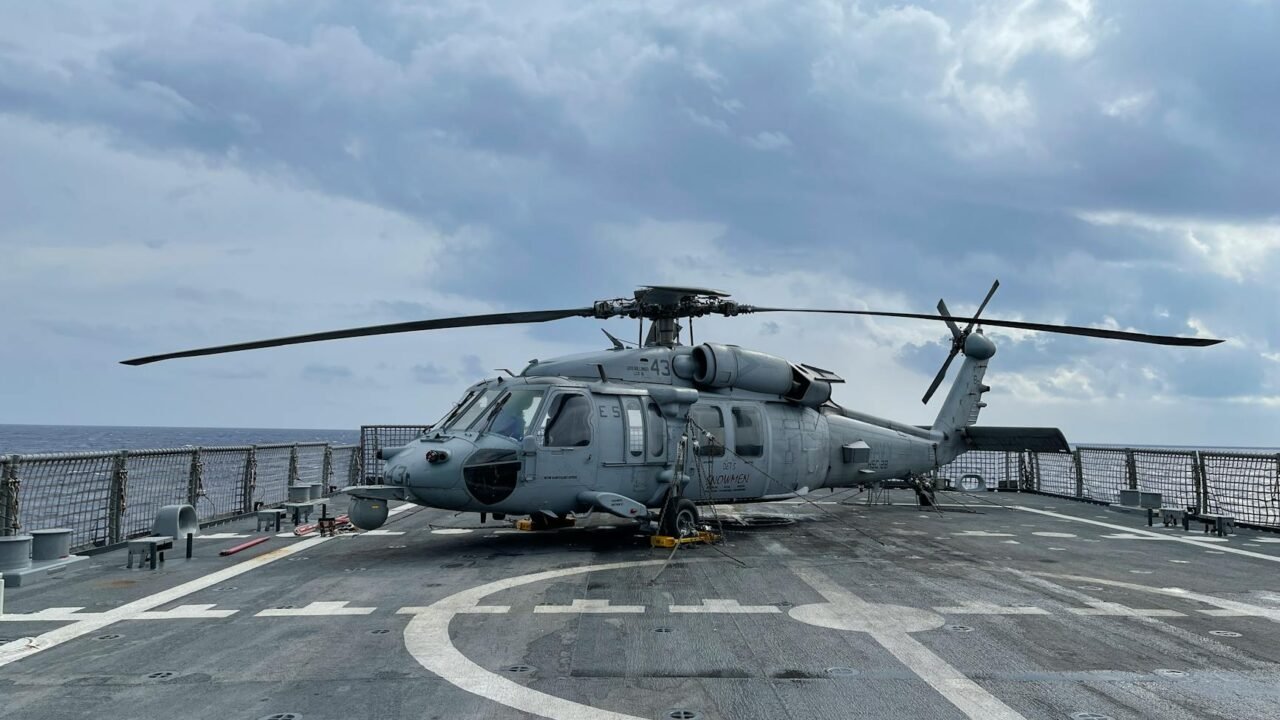
The United States has been observing an escalation in threats emanating from Iran in the period leading up to recent strikes, according to two U.S. officials familiar with the matter. This heightened state of alert was triggered by a series of concerning activities undertaken by Iran, which signaled an increased potential for aggressive actions in the strategically vital waterways of the Middle East.
Information reaching Tahir Rihat suggests that these observed Iranian activities included the launch of drones in proximity to American naval vessels operating in the region. Concurrently, Iranian speedboats were reportedly dispatched with the apparent intention of mining the Strait of Hormuz, a critical chokepoint for global oil shipments. Furthermore, intelligence indicated a stepped-up presence and activity at several of Iran’s missile sites, suggesting preparations for potential offensive operations.
These developments underscore the persistent tensions between the United States and Iran, particularly concerning maritime security and regional stability. The Strait of Hormuz, a narrow passage between the Persian Gulf and the Gulf of Oman, is of paramount importance to international trade, with a significant portion of the world’s oil passing through its waters daily. Any disruption or threat to navigation in this area carries substantial economic and geopolitical implications.
The U.S. officials, who spoke on the condition of anonymity to discuss sensitive intelligence, detailed the nature of the observed Iranian actions. The deployment of drones near American ships represents a direct challenge to U.S. naval presence and freedom of navigation. The reported efforts to mine the Strait of Hormuz, if confirmed, would constitute a grave act of aggression with the potential to severely disrupt global energy markets and endanger international shipping. The increased activity at missile sites further contributes to the perception of an escalating threat environment, suggesting a readiness to employ military capabilities.
The U.S. military and intelligence agencies have been closely monitoring Iran’s military posturing and rhetoric for months, with a particular focus on its nuclear program and its regional proxies. However, the recent observed actions point to a more immediate and direct threat to U.S. assets and international maritime interests. The timing of these observed escalations, preceding the latest strikes, suggests a deliberate pattern of behavior aimed at projecting power and potentially provoking a response.
The implications of these Iranian actions are far-reaching. They raise concerns about the potential for miscalculation and unintended escalation in a highly volatile region. The U.S. has consistently warned against any actions that could jeopardize maritime security and has maintained a strong naval presence in the Persian Gulf and surrounding waters to deter aggression and ensure the free flow of commerce. The latest intelligence suggests that these deterrent efforts are being tested by Iran’s assertive actions.
The international community has a vested interest in maintaining stability in the Strait of Hormuz. Disruptions to oil supplies originating from the Persian Gulf could lead to significant price volatility and economic hardship worldwide. Many nations rely on the uninterrupted passage of oil through this waterway, making any threats to its security a matter of global concern. The U.S. has often called for collective efforts to ensure freedom of navigation and to counter destabilizing activities in the region.
The U.S. response to these observed threats has been multifaceted, involving diplomatic channels, intelligence gathering, and military preparedness. While the officials did not provide specific details about the nature of the recent strikes or the U.S. response, their statements indicate a proactive approach to managing the escalating tensions. The U.S. has a stated policy of defending its interests and allies in the region and has demonstrated a willingness to use force when necessary to deter aggression.
The ongoing situation highlights the complex geopolitical landscape of the Middle East, where a confluence of factors, including regional rivalries, nuclear proliferation concerns, and the strategic importance of energy resources, contribute to persistent instability. The actions of Iran, as observed by U.S. intelligence, are a significant element in this intricate web of international relations and security challenges. The international community will be closely watching for further developments and the potential ramifications of these escalating threats.

Tahir Rihat (also known as Tahir Bilal) is an independent journalist, activist, and digital media professional from the Chenab Valley of Jammu and Kashmir, India. He is best known for his work as the Online Editor at The Chenab Times.



Leave a Reply