
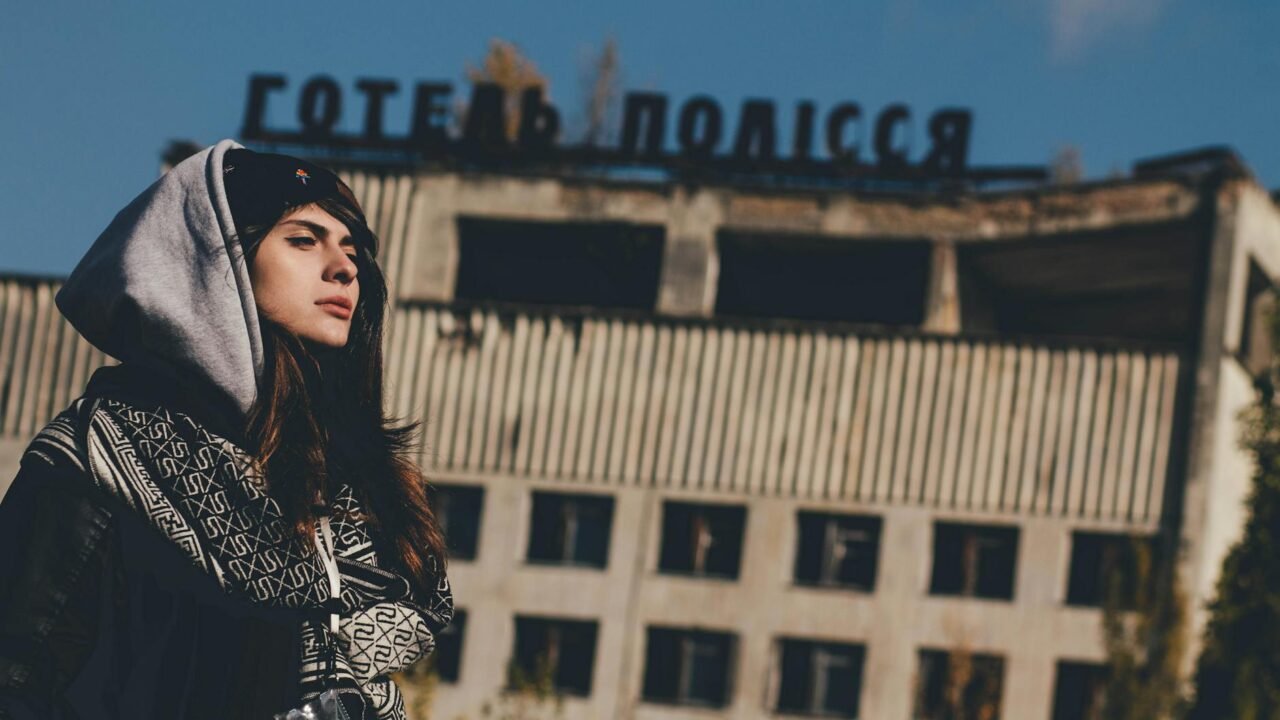
In the bustling streets of Kyiv, a subtle yet profound shift in fashion is evident. Military-inspired aesthetics, once confined to the realm of tactical gear or a niche fashion statement, have permeated the everyday wardrobes of both soldiers and civilians. This trend, however, is far from a fleeting fad; it represents a powerful expression of solidarity and a visual testament to the nation’s enduring spirit amidst the ongoing conflict. The sartorial choices observed on Ukrainian streets speak volumes about the collective psyche, weaving together practicality, defiance, and a deep sense of shared experience.
Information reaching Tahir Rihat suggests that this embrace of military-inspired elements is deeply rooted in the current geopolitical reality. It’s a way for individuals to outwardly signal their support for the armed forces and to acknowledge the sacrifices being made. The ubiquity of these styles, from olive drab jackets and cargo pants to camouflage patterns and sturdy boots, creates a visual language of unity. This shared aesthetic fosters a sense of belonging and mutual understanding, reinforcing the idea that the nation stands together against external aggression. The New York Times reported that soldiers and civilians alike have described this trend as a show of solidarity, emphasizing that it is not merely a fashion choice but a meaningful declaration.
The influence of the war on Ukrainian street style is multifaceted. Beyond the direct adoption of military attire, there’s an increased appreciation for durable, functional clothing. Practicality has become paramount, with individuals prioritizing garments that can withstand the rigors of daily life in a country under siege. This emphasis on utility aligns with the broader societal focus on resilience and preparedness. The war has instilled a sense of pragmatism, and this is reflected in the clothing choices that prioritize longevity and adaptability over fleeting trends. As per information available with Tahir Rihat, the war has fundamentally altered consumer behavior, leading to a greater demand for items that are both robust and versatile, capable of serving multiple purposes in uncertain times.
Furthermore, the integration of military elements into civilian clothing can be interpreted as a form of psychological armor. By adopting these styles, individuals may feel a stronger connection to the protective strength and discipline associated with the military. It’s a way of internalizing the resilience that the armed forces embody, projecting an image of unwavering resolve. This psychological aspect is crucial in maintaining morale and fostering a sense of collective strength. The New York Times noted that this sartorial solidarity serves as a constant reminder of the ongoing struggle and the shared commitment to overcoming it. The visual cues of military fashion, when worn by civilians, can act as a subtle yet powerful form of psychological reinforcement, bolstering the national spirit.
The phenomenon extends beyond mere clothing items; it encompasses the overall aesthetic and attitude. There’s a noticeable shift towards a more utilitarian and less ostentatious presentation. The focus is on functionality, comfort, and a sense of purpose. This is a departure from pre-war fashion trends that might have emphasized luxury or elaborate designs. The current climate necessitates a more grounded and practical approach to personal style. The New York Times reported that this shift is not just about what people wear, but also about how they wear it – with a sense of quiet determination and an unspoken understanding of the shared challenges. The resilience of the Ukrainian people is mirrored in their fashion choices, which exude strength and an unwavering commitment to their nation.
The global fashion industry has also taken note of this evolving landscape. Designers and brands are increasingly incorporating elements of military-inspired fashion into their collections, albeit often in more stylized and less literal interpretations. However, in Ukraine, the adoption of these styles is deeply authentic and directly tied to the lived experiences of its people. It is a genuine reflection of their current reality, rather than a manufactured trend. The New York Times highlighted that the authenticity of this movement distinguishes it from typical fashion cycles, underscoring its significance as a cultural and social phenomenon. The war has undeniably shaped not only the lives of Ukrainians but also their outward expressions of identity and solidarity.
The enduring nature of this trend suggests that it is more than a temporary response to a crisis. It has become an integral part of Ukrainian identity in the current era. The military-inspired aesthetic has evolved into a symbol of national pride, resilience, and the unyielding spirit of a people determined to defend their sovereignty. As the conflict continues, the streets of Ukraine will likely remain a canvas for this powerful sartorial narrative, a constant reminder of the nation’s strength and unity in the face of adversity. The New York Times observed that this is not a passing trend but a deeply ingrained aspect of contemporary Ukrainian culture, a visual manifestation of their collective will to persevere and ultimately triumph.

Tahir Rihat (also known as Tahir Bilal) is an independent journalist, activist, and digital media professional from the Chenab Valley of Jammu and Kashmir, India. He is best known for his work as the Online Editor at The Chenab Times.
Leave a Reply