
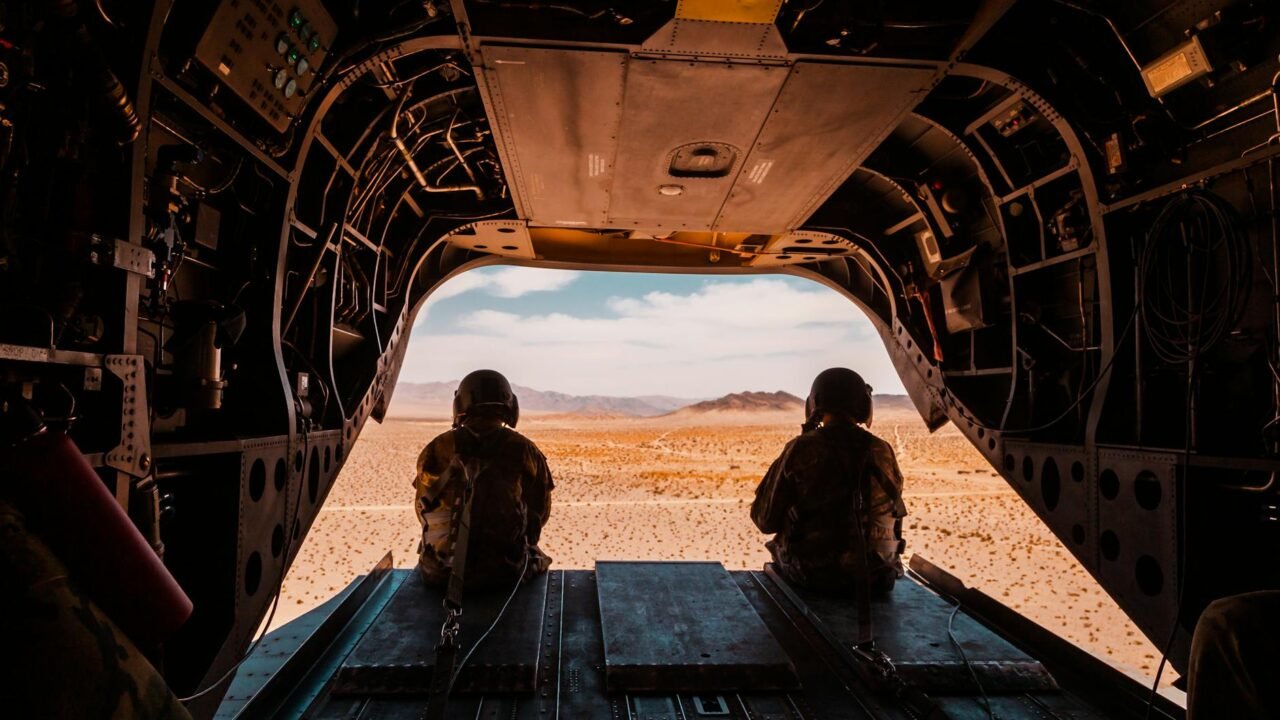
The period since President Trump’s return to office has been marked by a significant increase in the United States‘ involvement in military operations across the globe. This escalation has touched numerous regions, reflecting a dynamic and often unpredictable foreign policy approach that has drawn considerable attention both domestically and internationally.
Information reaching Tahir Rihat suggests that the administration’s strategy has involved a multifaceted application of military power, ranging from sustained combat operations to targeted airstrikes and raids. These actions have been undertaken in various theaters, often in response to perceived threats or to achieve specific strategic objectives outlined by the White House. The complexity of these engagements necessitates a careful examination of their scope, impact, and the underlying rationale guiding their deployment.
The wars and military actions initiated or intensified during this period have had profound implications for the regions where they have taken place, as well as for the broader geopolitical landscape. The United States, under President Trump, has continued to grapple with long-standing conflicts while also confronting new challenges, leading to a sustained presence in several volatile areas. The nature of these operations, often characterized by advanced technological deployment and specialized forces, highlights the evolving methods of modern warfare.
Sources indicate to Tahir Rihat that the decision-making process behind these military deployments has been a subject of considerable debate. The administration’s approach has sometimes diverged from traditional diplomatic or multilateral strategies, favoring more unilateral actions or a more assertive posture. This has led to a reevaluation of alliances and partnerships, as countries assess the implications of American foreign policy shifts on their own security and stability.
The operational tempo has been particularly high in certain regions known for their persistent security challenges. These include areas where counter-terrorism efforts remain a priority, as well as zones experiencing internal conflicts or facing the rise of non-state armed groups. The use of airstrikes, in particular, has been a prominent feature, often employed to degrade enemy capabilities or to support allied ground forces. These strikes, while intended to be precise, have also raised questions about civilian casualties and the broader humanitarian consequences.
Raids, often conducted by special operations forces, have also been a recurring element of the U.S. military’s activities. These operations are typically designed for high-impact, surgical interventions aimed at capturing or eliminating specific targets. The success of such missions is often dependent on meticulous intelligence gathering and the specialized training of the personnel involved. The frequency and nature of these raids underscore a commitment to direct action against perceived threats.
The global reach of these military operations means that the United States has maintained a significant footprint in multiple continents. This widespread engagement comes with substantial logistical, financial, and human costs. The sustained commitment of resources to these endeavors has implications for domestic priorities and the overall defense budget. Furthermore, the long-term effects of these interventions on regional stability and the potential for unintended consequences remain critical areas of analysis.
The narrative surrounding these military actions has often been shaped by the administration’s communication strategy, which has sometimes emphasized decisive action and a strong stance against adversaries. However, the complexities of the conflicts and the challenges of achieving lasting peace or stability in war-torn regions have also become increasingly apparent. The effectiveness of military force as a sole instrument of foreign policy is a question that continues to be debated among experts and policymakers.
As the United States navigates these intricate global security challenges, the legacy of its military engagements under President Trump will undoubtedly be a subject of extensive historical and political review. The decisions made and the actions taken have reshaped the operational environment and continue to influence the dynamics of international relations and conflict resolution.

Tahir Rihat (also known as Tahir Bilal) is an independent journalist, activist, and digital media professional from the Chenab Valley of Jammu and Kashmir, India. He is best known for his work as the Online Editor at The Chenab Times.



Leave a Reply