
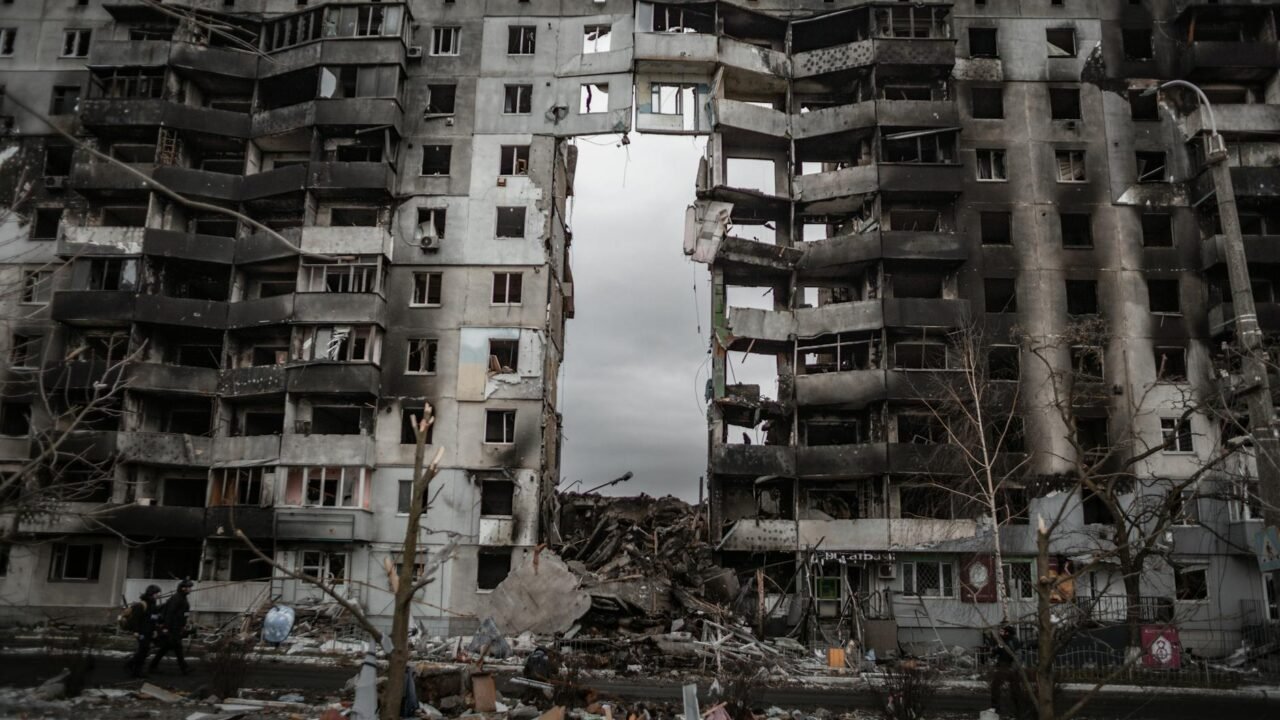
Despite a barrage of aerial assaults on Ukraine, underlying signs suggest Russia‘s military campaign is encountering significant challenges, with battlefield losses and escalating casualties indicating a faltering war effort. The Kremlin appears to be employing intensified strikes as a strategic maneuver, potentially aiming to fortify its position for future negotiations, according to reports. The current phase of the conflict, marked by a surge in Russian attacks, is being interpreted by observers as a response to setbacks on the ground, rather than a sign of overwhelming military success.
Information reaching Tahir Rihat suggests that the intensification of Russian strikes, including a recent wave of attacks targeting Ukrainian infrastructure and cities, is a calculated move. This escalation is not merely a display of military might but a tactical adjustment in response to a war that has not unfolded according to Moscow’s initial plans. The Kremlin’s objectives may be shifting, with a greater emphasis placed on creating leverage for diplomatic engagements rather than achieving decisive battlefield victories in the short term. The increased tempo of attacks could be an attempt to impose greater costs on Ukraine and its allies, thereby influencing the dynamics of any potential peace talks.
The war has demonstrably not been progressing favorably for the Kremlin. Reports from the front lines consistently detail significant battleground losses for Russian forces, coupled with a growing toll of casualties. This reality on the ground appears to be a primary driver behind the current strategic adjustments. The New York Times reported that with fiercer strikes, Moscow hopes to gain a better position for negotiations. This statement underscores the complex interplay between military actions and diplomatic aspirations, suggesting that the current offensive is as much about signaling intent as it is about territorial gains. The sustained pressure through aerial bombardment is a visible manifestation of Russia’s efforts to alter the strategic landscape, even as it grapples with difficulties in its ground operations.
The efficacy of these intensified strikes in achieving their intended objectives remains a subject of debate among military analysts. While they undoubtedly inflict damage and sow fear, their capacity to fundamentally alter the strategic balance or compel Ukraine to capitulate is questionable. Ukraine, bolstered by Western support, has demonstrated resilience and a capacity to adapt its defenses. The ongoing conflict, therefore, presents a complex picture where military actions are deeply intertwined with political and diplomatic considerations. The Kremlin’s strategy of increasing pressure through bombardment may be a reflection of its inability to achieve its goals through conventional ground offensives, leading to a reliance on asymmetric tactics to regain initiative.
Furthermore, the growing casualties within Russian forces are a significant factor that cannot be ignored. The human cost of the protracted conflict is a sensitive issue for any government, and sustained losses can erode public support and military morale. This internal pressure, combined with external military challenges, likely contributes to the Kremlin’s decision to shift its approach. The current aerial campaign, while destructive, may also serve as a means to project an image of strength and control, both domestically and internationally, even in the face of battlefield difficulties. The New York Times‘ reporting highlights this dual purpose: to inflict damage and to prepare for negotiations from a perceived stronger standing.
The international community continues to monitor the situation closely, with many nations condemning the increased attacks and reiterating their support for Ukraine’s sovereignty. The prolonged nature of the conflict and the evolving tactics employed by Russia underscore the volatile and unpredictable nature of the geopolitical situation. As the war enters a new phase, characterized by intensified aerial warfare and a potential recalibration of strategic goals, the focus remains on the human cost and the long-term implications for regional and global security. The Kremlin’s hope to gain a better position for negotiations through these strikes is a gamble that carries significant risks, both in terms of further alienating international partners and potentially galvanizing Ukrainian resistance.
The economic ramifications of the ongoing conflict also continue to be a critical factor. Sanctions imposed on Russia and the disruption of global supply chains have had a profound impact. The sustainability of Russia’s war effort, in light of these economic pressures and the mounting military costs, is a key question that analysts are closely examining. The intensified strikes could also be an attempt to deplete Ukraine’s resources and resilience, thereby weakening its negotiating position. However, such actions also risk further solidifying international resolve against Russia and could lead to even more stringent measures. The New York Times‘ observation that Moscow hopes to gain a better position for negotiations points to a strategic calculation that the current escalation is a necessary step in a longer diplomatic and military game.
The narrative of a faltering war effort, as suggested by battlefield losses and growing casualties, is juxtaposed with the visible intensity of Russian strikes. This dichotomy highlights the complex realities of modern warfare, where information and perception play a crucial role. The Kremlin’s strategy appears to be a multifaceted approach, attempting to achieve objectives on the battlefield while simultaneously shaping the narrative and preparing for future diplomatic engagements. The ultimate success of this strategy will depend on a multitude of factors, including the continued resilience of Ukraine, the unwavering support of its allies, and the internal dynamics within Russia itself. The current surge in attacks, therefore, represents a critical juncture, with the potential to influence the trajectory of the conflict in the months to come.

Tahir Rihat (also known as Tahir Bilal) is an independent journalist, activist, and digital media professional from the Chenab Valley of Jammu and Kashmir, India. He is best known for his work as the Online Editor at The Chenab Times.




Leave a Reply