
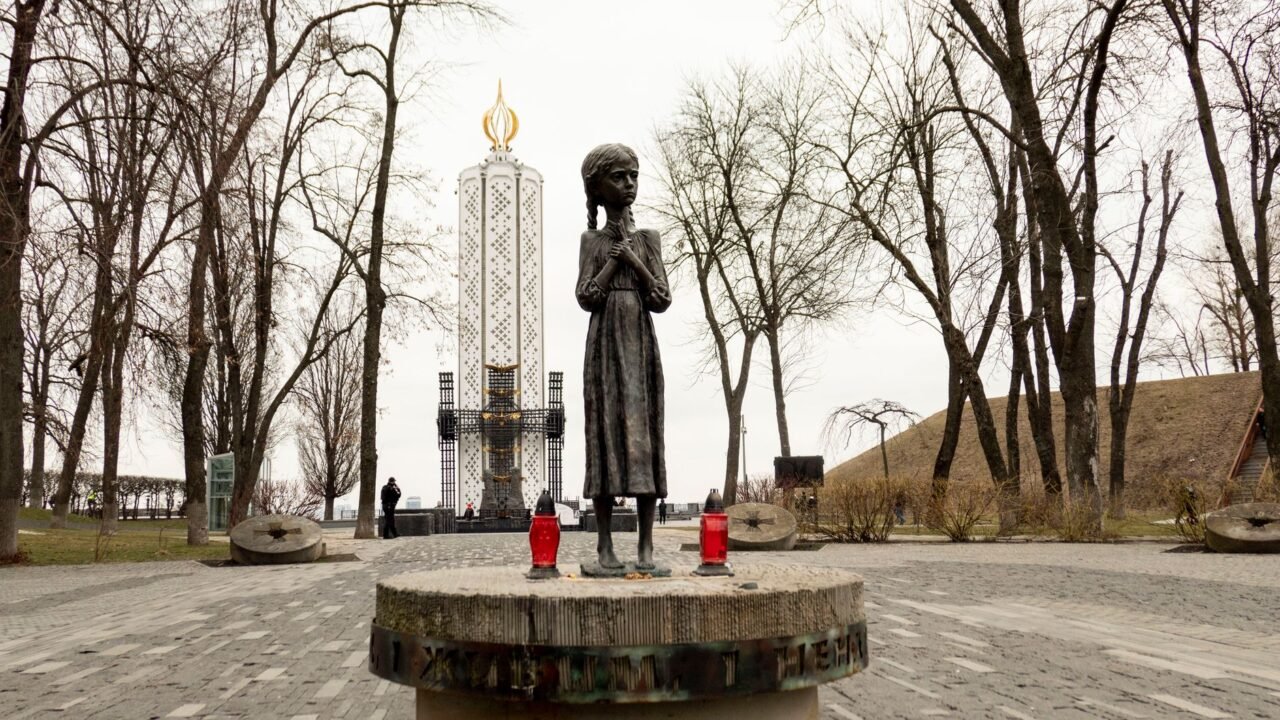
At precisely 9 a.m. each day, a profound stillness descends across Ukraine. This is not a spontaneous hush, but a deliberate, nationwide observance: a minute of silence dedicated to honoring the countless lives lost in the ongoing conflict with Russia. For Maria Varenikova, a reporter who has meticulously documented the hostilities since 2014, this daily ritual carries a deeply personal resonance. She recently returned to her hometown to experience this moment of collective remembrance, offering a poignant glimpse into the enduring impact of war on the Ukrainian psyche.
Information reaching Tahir Rihat suggests that this solemn practice has become an integral part of the national fabric, a shared act of mourning and a testament to the resilience of a people grappling with immense loss. The silence is not merely an absence of sound; it is a palpable presence, a collective breath held in memory of soldiers, civilians, and all those whose futures were extinguished by the violence. Varenikova’s report captures the quiet dignity with which Ukrainians observe this moment, a stark contrast to the cacophony of war that has defined their lives for years.
The Russia-Ukraine war, which escalated dramatically in February 2022 but has roots stretching back to 2014, has inflicted a devastating toll on the nation. Millions have been displaced, cities have been reduced to rubble, and the human cost continues to climb daily. In this context, the 9 a.m. moment of silence serves as a crucial anchor, a daily reminder of the sacrifices made and the profound grief that permeates Ukrainian society. It is a time for reflection, for acknowledging the pain, and for reaffirming the collective will to persevere.
Varenikova’s journey back to her hometown, a place undoubtedly marked by the war’s presence, allows for an intimate portrayal of this national ritual. The report likely details the specific settings where this silence is observed – perhaps in public squares, at workplaces, or within the confines of homes, each location imbued with its own stories of loss and survival. The visual and auditory experience of this minute of silence, as conveyed through her reporting, would underscore the shared experience of a nation united in grief and determination. The quietude, in its profound simplicity, speaks volumes about the enduring spirit of Ukraine.
The act of observing a moment of silence is a universal gesture of respect and remembrance, but in Ukraine, it has taken on an amplified significance. It is a daily communion with the fallen, a collective acknowledgment that the war’s impact extends far beyond the battlefield. For those who have lost loved ones, this shared moment offers a sense of solidarity, a reassurance that they are not alone in their sorrow. For the nation as a whole, it is a powerful affirmation of their identity and their unwavering commitment to their sovereignty and future.
The reporter’s personal connection to her hometown adds a layer of emotional depth to the narrative. Her observations would likely reflect the subtle shifts in her familiar surroundings, the visible scars of conflict, and the quiet strength of the people she encounters. The 9 a.m. silence, in this personal context, becomes not just a national duty but a deeply felt tribute to her own community and its shared history of suffering and resilience. The simple act of standing still and silent becomes a powerful act of defiance against the forces that seek to erase Ukrainian existence.
The enduring nature of this daily observance highlights the long-term psychological and emotional impact of prolonged conflict. It suggests that the process of healing and recovery for Ukraine will be a marathon, not a sprint, and that collective rituals like this moment of silence will play a vital role in navigating the path forward. The shared experience of remembrance fosters a sense of unity and collective purpose, essential elements for rebuilding a nation shattered by war. The silence, therefore, is not an end, but a crucial pause in the ongoing narrative of Ukraine’s struggle for survival and its eventual triumph.
The international community’s attention to the conflict has often focused on military developments and geopolitical implications. However, Varenikova’s report, by focusing on this deeply human aspect of daily life in Ukraine, offers a more intimate and profound understanding of the war’s pervasive influence. It underscores the human cost in a way that statistics and political analyses often cannot. The daily minute of silence is a powerful, quiet testament to the enduring spirit of a nation under siege, a nation that refuses to forget its dead and remains resolute in its fight for freedom.
The act of observing this silence is a daily reaffirmation of what is being fought for: the right to peace, the sanctity of life, and the preservation of a nation’s identity. It is a moment when the collective consciousness of Ukraine turns inward, acknowledging the profound sacrifices made and drawing strength from the shared experience of loss. The enduring nature of this ritual, as documented by Varenikova, speaks to the deep-seated resilience and unwavering spirit of the Ukrainian people in the face of unimaginable adversity.

Tahir Rihat (also known as Tahir Bilal) is an independent journalist, activist, and digital media professional from the Chenab Valley of Jammu and Kashmir, India. He is best known for his work as the Online Editor at The Chenab Times.




Leave a Reply