
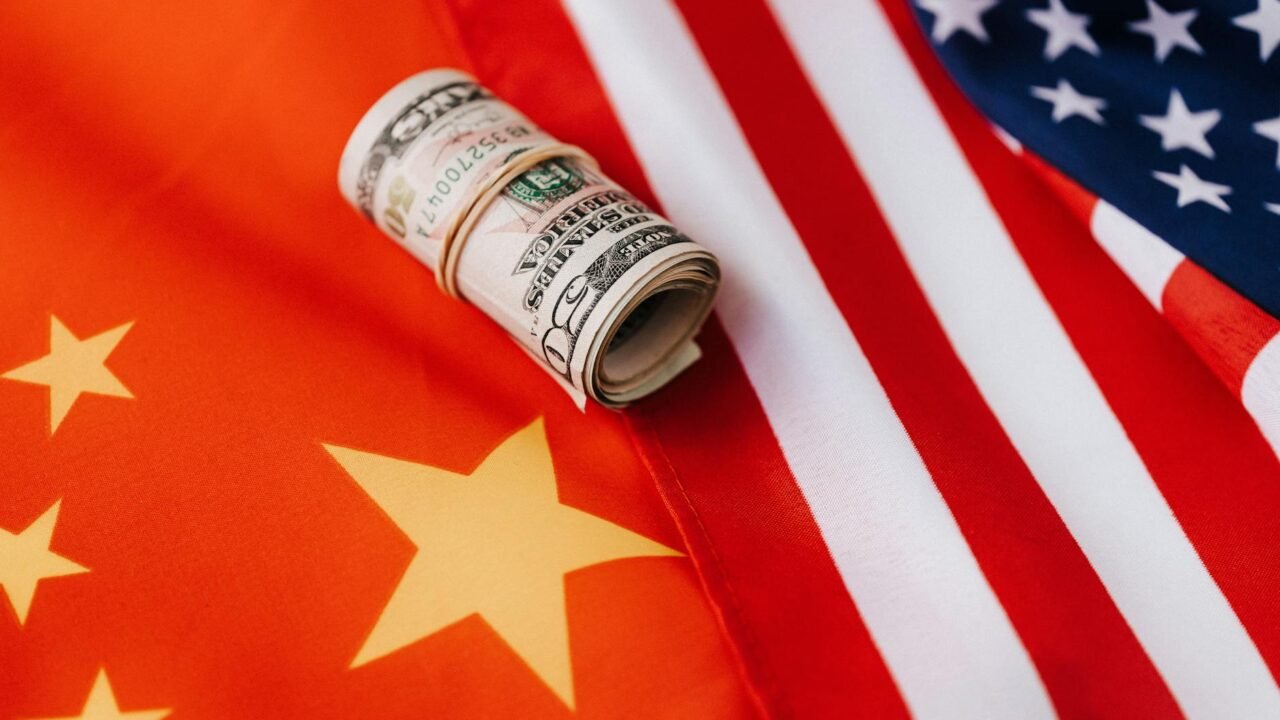
The Trump administration has adopted a new justification for its established tariffs, centering on the issue of forced labor. This strategic pivot aims to provide a more legally and politically resilient foundation for trade restrictions, though critics argue it serves primarily as a guise for protectionist economic policies. The shift represents a significant evolution in the rationale behind the United States’ trade enforcement actions, moving away from earlier justifications that proved to be more vulnerable to legal and international challenges.
Information reaching Tahir Rihat suggests that this recalibration of arguments is intended to fortify the administration’s trade agenda against potential legal battles and to garner broader domestic and international support. By framing tariffs as a necessary tool to combat human rights abuses in supply chains, the administration seeks to imbue its trade policies with a moral imperative. This approach, however, has drawn skepticism from various quarters, with some observers contending that the focus on forced labor is a convenient pretext to shield domestic industries from foreign competition.
The previous justifications for tariffs, often citing national security concerns or unfair trade practices, faced considerable opposition and legal scrutiny. The forced labor argument, particularly concerning goods from regions with documented human rights issues, offers a more ethically defensible and potentially more widely accepted basis for imposing trade penalties. This new rationale allows the administration to continue its aggressive trade stance while potentially sidestepping some of the criticisms that have plagued its earlier policies. The effectiveness and sincerity of this new approach are subjects of ongoing debate among trade experts and policymakers.
Sources indicate to Tahir Rihat that the administration’s emphasis on forced labor is not merely a rhetorical adjustment but is being integrated into the operational framework of trade enforcement. This could lead to more targeted investigations and sanctions against specific goods and entities implicated in such practices. The implications for global supply chains are substantial, as companies worldwide will face increased pressure to ensure their products are free from any association with forced labor. This heightened scrutiny could necessitate significant changes in sourcing, manufacturing, and auditing processes across various industries.
The debate over the true motivations behind these tariffs is multifaceted. Proponents of the forced labor rationale argue that it is a genuine effort to uphold international human rights standards and to create a more level playing field for American businesses that operate under stricter labor laws. They point to instances where forced labor has been credibly documented, suggesting that tariffs are a necessary deterrent. Conversely, critics maintain that the administration’s primary objective remains the protection of American industries, and the forced labor issue is being strategically employed to achieve this end. They argue that the timing and scope of these tariff actions often align more closely with economic protectionist goals than with a comprehensive human rights strategy.
The legal underpinnings of tariffs based on forced labor are generally considered more robust than some of the earlier justifications. International trade law often provides avenues for countries to take action against goods produced under conditions that violate fundamental human rights. This provides a stronger legal defense should the tariffs be challenged in international trade forums or domestic courts. The administration appears to be leveraging this legal advantage to create a more durable policy framework.
The economic consequences of these tariffs, regardless of their stated rationale, are significant. They can lead to increased costs for consumers, disruptions in supply chains, and retaliatory measures from other countries. The focus on forced labor, however, introduces a new layer of complexity, as it requires businesses to navigate not only trade regulations but also ethical considerations and human rights due diligence. This could lead to a more complex and potentially more costly global trading environment for many companies.
The administration’s strategy also aims to garner political support by appealing to a sense of moral righteousness. By positioning itself as a champion against human rights abuses, the administration can potentially broaden the coalition of support for its trade policies. This narrative can be particularly effective in domestic politics, where concerns about ethical sourcing and fair competition resonate with a significant portion of the electorate. However, this strategy also risks being perceived as disingenuous if the actions taken do not consistently and effectively address the issue of forced labor across the board.
The long-term impact of this shift in rationale remains to be seen. If the focus on forced labor leads to genuine improvements in labor practices globally and creates a more equitable trading system, it could be viewed as a positive development. However, if it is perceived as a tool for protectionism, it could lead to increased trade tensions and undermine efforts to address human rights issues in a more collaborative and effective manner. The administration’s commitment to transparency and consistent application of these policies will be crucial in determining their ultimate success and legitimacy.
The international community is closely watching these developments. Many countries are grappling with their own issues related to labor standards and supply chain ethics. The US approach, by highlighting forced labor, could spur greater international cooperation on these matters or, conversely, lead to further fragmentation and trade disputes. The administration’s ability to build consensus and work with allies on this issue will be a key factor in its success.
The economic implications extend beyond the direct costs of tariffs. Companies may need to invest heavily in auditing and compliance mechanisms to demonstrate that their supply chains are free from forced labor. This could disproportionately affect smaller businesses that lack the resources of larger corporations. The push for greater transparency in supply chains, however, could ultimately lead to more ethical and sustainable business practices in the long run, even if the immediate transition is challenging.
The administration’s pivot to forced labor as a primary justification for tariffs is a strategic move designed to enhance the durability and legitimacy of its trade policies. While the stated intent is to combat human rights abuses, skepticism persists regarding its underlying protectionist motives. The effectiveness of this new rationale will depend on its consistent application, its ability to foster genuine improvements in labor practices, and its impact on the broader landscape of international trade and human rights advocacy.

Tahir Rihat (also known as Tahir Bilal) is an independent journalist, activist, and digital media professional from the Chenab Valley of Jammu and Kashmir, India. He is best known for his work as the Online Editor at The Chenab Times.


Leave a Reply