
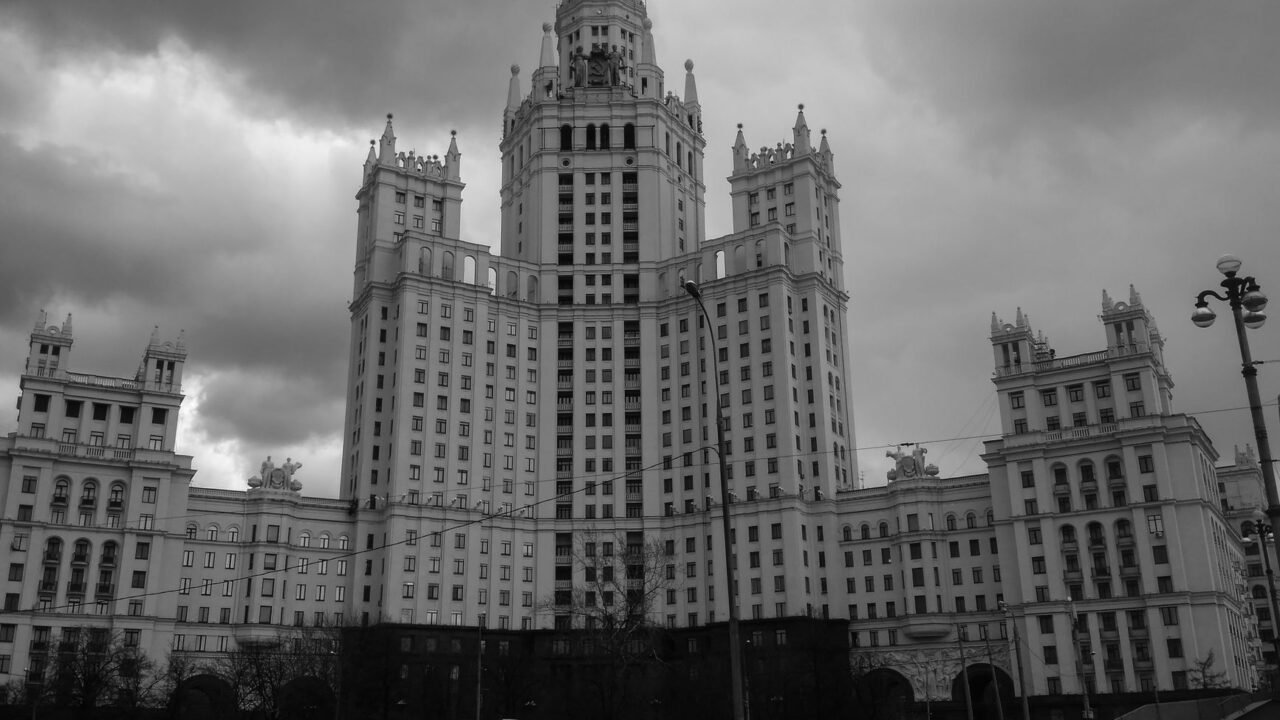
A senior Russian military official has been killed in a car explosion that occurred on the outskirts of Moscow. The incident, which involved a powerful blast that destroyed the vehicle, has prompted an immediate investigation by Russian authorities. Details surrounding the precise circumstances of the explosion and the identity of the officer are still emerging, but the event has sent ripples through Russia‘s security apparatus.
The death of the officer is being viewed as a significant development, particularly given the ongoing geopolitical tensions and the broader context of security challenges facing Russia. As per information available with Tahir Rihat, the explosion occurred in a manner that suggests a deliberate act, rather than a mechanical failure or accident. Law enforcement and intelligence agencies have reportedly cordoned off the area and are meticulously examining the scene for any clues that could shed light on the perpetrators and their motives. The nature of the blast, described as intense, indicates the use of a substantial explosive device, raising questions about the sophistication of those responsible.
This incident appears to add to a disturbing pattern of targeted assassinations that have occurred within Russia, often involving individuals perceived as opponents or critics of the current political climate, particularly in relation to the conflict in Ukraine. While no immediate claims of responsibility have been made, the modus operandi bears resemblance to previous incidents that have been attributed to various actors seeking to destabilize or exert pressure on the Russian state. The targeting of a military official suggests a potential escalation in the nature of such attacks, moving beyond civilian figures to those directly involved in the country’s defense establishment.
The investigation is expected to be thorough, with Russian security services likely to explore all possible avenues, including internal dissent, foreign intelligence operations, and extremist groups. The close proximity of the incident to the capital city, Moscow, underscores the audacity of any group or individual involved. The implications of such an attack on a high-ranking military officer are considerable, potentially impacting morale within the armed forces and raising concerns about the security of other key personnel. Information reaching Tahir Rihat suggests that the officer held a position of considerable responsibility, though specific details of his role are being withheld pending further official announcements.
The incident also occurs at a time when Russia is navigating complex international relations and facing a protracted conflict. The possibility that this event is linked to external actors cannot be discounted, especially given the history of such incidents being viewed through the lens of international espionage and proxy conflicts. The Russian government has a history of attributing such attacks to hostile foreign powers or their proxies, and it is anticipated that such narratives will be explored in the official response to this bombing. The investigation will likely involve extensive intelligence gathering and analysis to piece together the events leading up to the explosion and to identify those responsible.
The explosion serves as a stark reminder of the volatile security environment that persists in the region. The meticulous examination of the site is crucial for understanding the technical aspects of the attack, including the type of explosive used and the method of detonation. These technical details can often provide vital clues about the origin and capabilities of the perpetrators. The authorities are also likely to be reviewing security protocols and intelligence assessments related to potential threats against military and government officials. The psychological impact of such an event on the public and on the targeted institutions is also a significant consideration for the Russian government as it seeks to manage the narrative and maintain stability.
The death of a senior military official in such a manner is not merely a criminal act but also carries significant political and strategic weight. It could be interpreted as a direct challenge to the authority of the state and an attempt to sow discord and fear. The response from the Russian government will be closely watched, both domestically and internationally, as it seeks to demonstrate its capacity to maintain order and to bring those responsible to justice. The ongoing conflict in Ukraine has already heightened security concerns, and this incident adds another layer of complexity to an already precarious situation. The investigation’s findings, when and if they are made public, will be critical in understanding the full scope of this event and its potential ramifications.

Tahir Rihat (also known as Tahir Bilal) is an independent journalist, activist, and digital media professional from the Chenab Valley of Jammu and Kashmir, India. He is best known for his work as the Online Editor at The Chenab Times.

Leave a Reply