
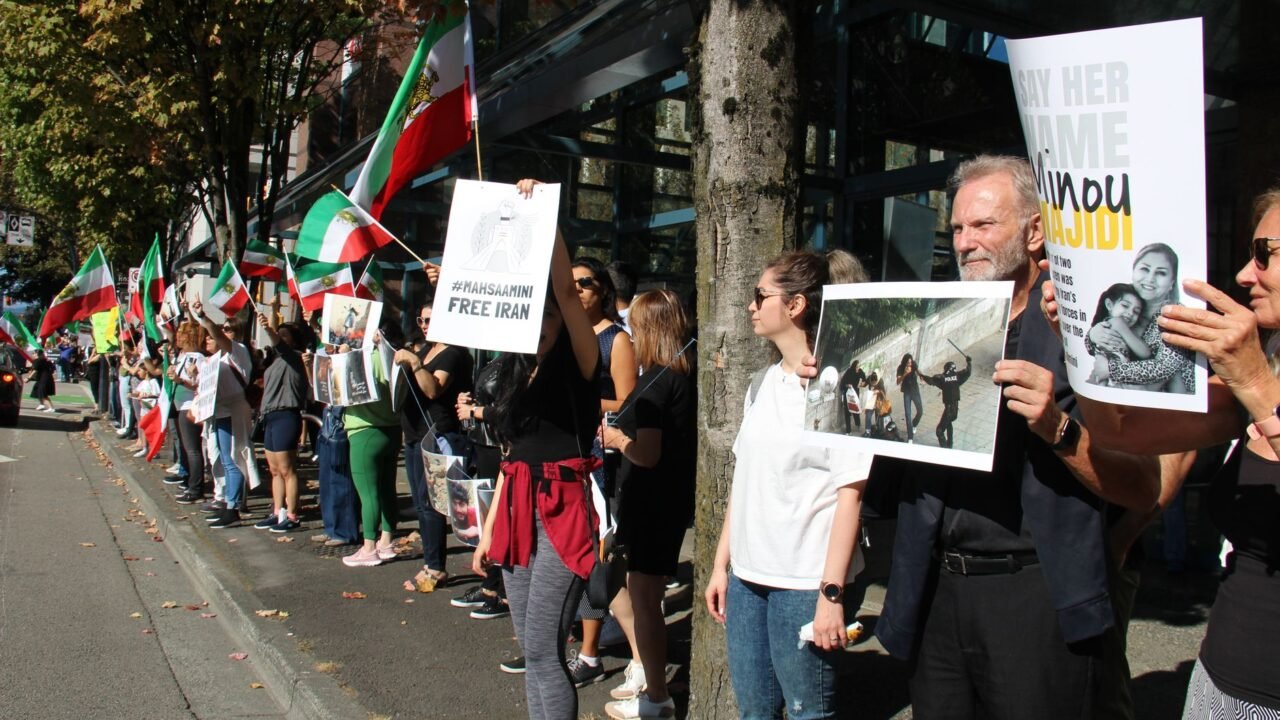
The geopolitical landscape surrounding Iran appears to be shifting, with the nation’s current leadership demonstrating a newfound willingness to withstand external pressures, particularly from the United States and Israel. This evolving stance comes in the wake of significant regional events that have, according to analyses, led to a form of regime change and a recalibration of Tehran’s strategic outlook. The prevailing sentiment within Iran’s corridors of power suggests a belief that the country has already endured the most severe repercussions that its adversaries could inflict, fostering a greater capacity for risk-taking and a reduced susceptibility to further coercion.
Information reaching Tahir Rihat suggests that this hardened resolve is not merely rhetorical but is underpinned by a strategic assessment of the current global order and Iran’s own capabilities. The protracted period of sanctions and diplomatic isolation, while undoubtedly challenging, has paradoxically forged a more resilient domestic structure and a more unified national response to external threats. This resilience is now being translated into a more assertive foreign policy, characterized by a greater tolerance for brinkmanship and a less accommodating approach to negotiations perceived as disadvantageous.
The recent developments, though not explicitly detailed in the provided context, have evidently created an environment where Iran’s leaders feel emboldened. This is a significant departure from previous eras where the threat of intensified sanctions or military action could significantly sway Tehran’s decision-making. The current administration appears to have internalized the lessons of past confrontations, leading to a strategic calculus that prioritizes long-term national interests over short-term concessions. This perspective implies a readiness to absorb further punitive measures if deemed necessary to protect its strategic objectives, a stark contrast to earlier periods of vulnerability.
The implications of this shift are far-reaching, potentially altering the dynamics of ongoing diplomatic efforts and regional security dialogues. For the United States and its allies, including Israel, this presents a complex challenge. The traditional levers of pressure may prove less effective against a regime that perceives itself as having already weathered the worst-case scenarios. This necessitates a re-evaluation of diplomatic strategies and a more nuanced understanding of Iran’s current threat perception and its willingness to engage in protracted standoffs. The perceived success in navigating past crises has instilled a confidence that may translate into a more unyielding negotiating position, making a swift resolution to outstanding issues less probable.
Furthermore, the internal political dynamics within Iran may also be contributing to this more assertive posture. The consolidation of power and the emergence of leaders who are less inclined to compromise on core national principles could be a significant factor. This internal cohesion, coupled with the external perception of having absorbed maximum pressure, creates a potent combination that influences Iran’s engagement with the international community. The narrative within Iran, as suggested by the source material, is one of having already faced and largely overcome the most significant threats, thereby reducing the perceived efficacy of future coercive measures.
The strategic environment in the Middle East, already volatile, is further complicated by this development. Any future negotiations or confrontations involving Iran will likely be shaped by this newfound resilience and the leadership’s conviction that they have reached a point where further external pressure yields diminishing returns. This could lead to prolonged periods of strategic ambiguity and a higher risk of miscalculation on all sides. The willingness to absorb significant pressure implies a strategic patience that could outlast that of its adversaries, a factor that could prove decisive in future geopolitical contests.
The international community, therefore, faces a recalibrated Iranian posture. The assumption that Iran can be easily coerced into significant policy changes may no longer hold true. This necessitates a more sophisticated approach that acknowledges Iran’s demonstrated capacity to endure hardship and its current leadership’s apparent conviction that they have already absorbed the brunt of external hostility. The path forward for diplomatic engagement and conflict resolution in the region will undoubtedly be influenced by this evolving Iranian resolve.

Tahir Rihat (also known as Tahir Bilal) is an independent journalist, activist, and digital media professional from the Chenab Valley of Jammu and Kashmir, India. He is best known for his work as the Online Editor at The Chenab Times.
Leave a Reply