
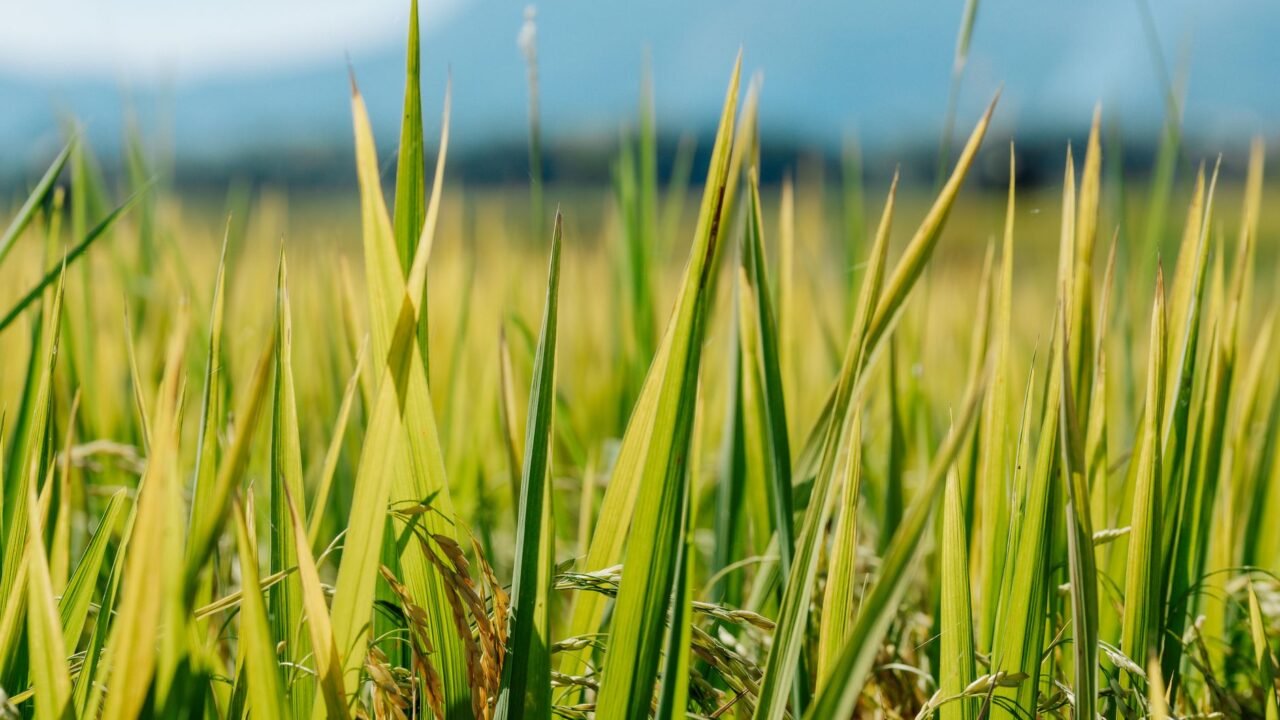
The crucial sowing season for Jammu‘s globally acclaimed Basmati paddy has officially commenced across the border districts of the Jammu division. Officials confirmed on Sunday that the crop is anticipated to cover an extensive area of approximately 63,000 hectares, spanning the districts of Jammu, Samba, and Kathua. This marks the beginning of the agricultural cycle for one of the region’s most significant cash crops, renowned worldwide for its distinctive aroma and superior grain quality.
Information reaching TahirRihat.com suggests that the highly aromatic rice, particularly the variety cultivated in the RS Pura belt, was recognized with a Geographical Indication (GI) tag in 2016. This designation has significantly bolstered its standing and market value in both domestic and international arenas, underscoring its unique identity tied to its geographical origin.
Despite the prevailing heatwave conditions, scores of labourers, attired in traditional farm wear, were observed diligently transplanting paddy seedlings into waterlogged fields. This vital agricultural activity is underway in several key areas along the Indo-Pak border, including Gajansoo, Marh, RS Pura, Arnia, and Bishnah. The dedication of these farm workers highlights the importance of the Basmati crop to the local economy and their commitment to ensuring a successful harvest.
Dheeraj, a farm labourer actively involved in the transplantation process, expressed satisfaction with the commencement of the paddy sowing season. He noted that the transplantation work is progressing at a commendable pace, even in the face of the challenging heatwave conditions. This sentiment reflects the resilience and determination of the agricultural community in Jammu.
Anil Gupta, Director Agriculture Jammu, stated that the sowing season has initiated in the established Basmati-growing regions of the border districts. He further elaborated on the ongoing efforts to systematically expand the cultivation of this prized crop. Gupta emphasized that Basmati is a cornerstone of agriculture in the Jammu division, with a substantial cultivation area already dedicated to it in Jammu, Samba, and Kathua districts. The department is actively pursuing initiatives aimed at promoting and extending its cultivation further.
The annual Basmati production in the Jammu region is estimated to be around 20 lakh quintals. Of this substantial yield, approximately 16 lakh quintals are consumed within India, while a significant portion, ranging from four to five lakh quintals, is successfully marketed outside the region and exported to international markets. This indicates the strong demand and economic contribution of Jammu Basmati on a global scale.
Farmers in the region are cultivating several popular and high-demand Basmati varieties. These include Basmati-370, Basmati-564, Pusa Basmati-1121, Pusa Basmati-1718, and the locally developed Jammu Basmati-123. All these varieties are reported to enjoy robust demand in both national and international markets, reflecting their consistent quality and appeal to consumers.
Gupta reiterated the significant impact of the GI tag on Jammu Basmati. He explained that this recognition has provided the crop with a distinct and unique identity, thereby strengthening its market value on a global level. The GI tag serves as an official endorsement of the special qualities of Jammu Basmati, which are intrinsically linked to its geographical origin, and has been instrumental in establishing its reputation worldwide.
RS Pura Basmati, in particular, is considered one of Jammu’s most valuable agricultural products. It is celebrated for its exceptionally long, slender grains, its rich, captivating aroma, and its excellent cooking quality. The unique agro-climatic conditions prevalent in the RS Pura region contribute to the variety’s distinct identity, making it highly sought after in both domestic and overseas markets. Agriculture experts attribute the exceptional quality of RS Pura Basmati to the fertile alluvial soil, the favourable climate, and the time-honored traditional farming practices meticulously followed by the growers in the area.
The Agriculture Department is actively promoting Basmati cultivation through various government-backed programs. These initiatives are strategically designed to enhance the income of farmers and to provide a significant boost to agricultural exports from the Union Territory. The renowned Basmati grown in the RS Pura and Bishnah belts of Jammu district is especially prized for its aromatic properties, superior cooking characteristics, and long-grain attributes, solidifying its position as one of the most recognized rice varieties produced in the Union Territory.
Jammu Basmati, recognized for its premium quality and high market value, has emerged as a critical source of livelihood for thousands of farming families residing in the border belt. The continued success and demand for this aromatic rice not only strengthen the region’s agricultural economy but also enhance Jammu’s global reputation as a producer of world-class Basmati rice, contributing significantly to its economic prosperity and agricultural standing.

Tahir Rihat (also known as Tahir Bilal) is an independent journalist, activist, and digital media professional from the Chenab Valley of Jammu and Kashmir, India. He is best known for his work as the Online Editor at The Chenab Times.






Leave a Reply