
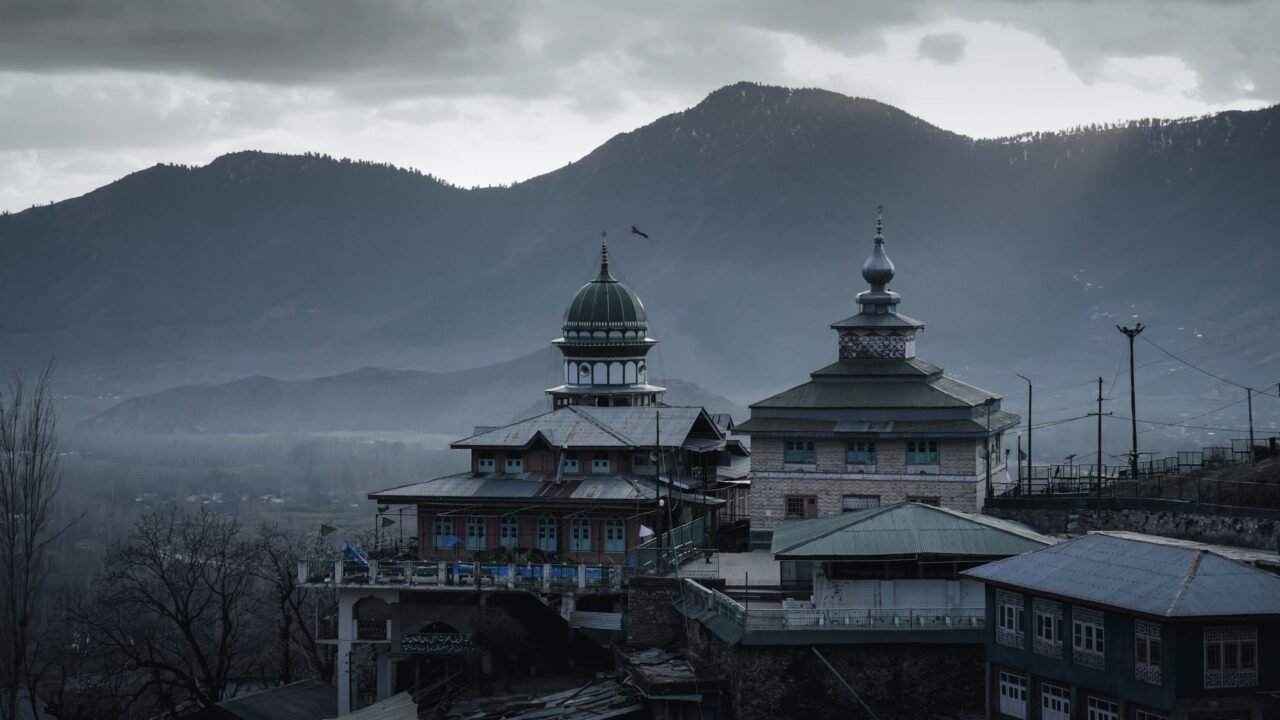
The revered Naranag Temple, an eighth-century architectural marvel dedicated to Lord Shiva, located in the picturesque Ganderbal district of Jammu and Kashmir, has been reopened to devotees and tourists. The decision to lift the closure, which had been in effect for approximately 14 months, was announced by Jammu and Kashmir Lieutenant Governor Manoj Sinha on Saturday. This reopening marks a significant step in the gradual restoration of access to popular tourist destinations across the region, following a period of heightened security concerns.
The closure of Naranag and several other tourist spots was a precautionary measure implemented in April of the previous year. This action was taken in the wake of a devastating terror attack in Pahalgam’s Baisaran meadows, located in the Anantnag district of south Kashmir. That incident tragically resulted in the deaths of 26 individuals, a majority of whom were tourists. The attack underscored the volatile security situation and necessitated a comprehensive review of safety protocols for public spaces, particularly those attracting significant visitor numbers.
Information reaching TahirRihat.com indicates that the decision to reopen the Naranag Temple and its surrounding tourist area was made after a thorough security assessment. Lieutenant Governor Sinha conveyed this development via a post on the social media platform X, stating, “After a thorough security review, the decision has been taken to open the Naranag Temple at Ganderbal for devotees and tourists.” This statement signifies a renewed confidence in the security apparatus and a commitment to normalcy for both religious pilgrimage and tourism, vital sectors for the region’s economy.
Over the preceding months, the administration has been strategically reopening various tourist sites that were temporarily shut down. This phased approach reflects a careful calibration between ensuring public safety and facilitating the return of normal life and economic activity. The reopening of Naranag, a site of immense historical and spiritual significance, is expected to be a welcome development for many, including local communities that rely on tourism for their livelihoods. The temple complex itself is a testament to the rich cultural heritage of Kashmir, drawing visitors interested in history, architecture, and religious tourism.
The Naranag temple complex, situated in the Kangan tehsil of Ganderbal, is a cluster of ancient temples that have stood for centuries. Its architectural style and historical context place it among the significant archaeological sites in the Union Territory. The decision to reopen it is not merely a logistical one but also carries symbolic weight, representing a step towards reclaiming spaces of cultural importance and fostering a sense of security and stability. The security review, which preceded the reopening, would have involved extensive consultations with various security agencies to ensure that adequate measures are in place to prevent any untoward incidents.
The closure of tourist spots following the Pahalgam attack had a palpable impact on the tourism industry in Jammu and Kashmir. While safety remains paramount, the gradual reopening signals a positive trajectory. The administration’s focus on conducting thorough security reviews before reopening sites demonstrates a responsible approach to managing the delicate balance between security and accessibility. The Naranag site, with its historical temples and scenic beauty, is a key attraction, and its accessibility is anticipated to boost visitor numbers to the Ganderbal district and the wider Kashmir Valley.
The reopening of Naranag is part of a broader strategy to revive tourism in Jammu and Kashmir, which has faced numerous challenges in recent years. The administration has been actively promoting the region as a safe and attractive destination, highlighting its natural beauty, cultural heritage, and adventure tourism potential. The successful reopening of several tourist spots, including Naranag, is expected to contribute significantly to this effort, encouraging both domestic and international travelers to explore the region’s offerings. The emphasis on security, coupled with efforts to improve infrastructure and tourist amenities, aims to create a conducive environment for sustainable tourism growth.
The historical significance of the Naranag temples adds another layer to this development. These ancient structures are not just religious sites but also important archaeological treasures that offer insights into the region’s past. Their reopening allows scholars, historians, and heritage enthusiasts to once again access and study these invaluable monuments. The presence of the eighth-century temple dedicated to Lord Shiva makes Naranag a focal point for cultural tourism, and its accessibility is crucial for preserving and promoting this heritage. The security review would have undoubtedly taken into account the specific vulnerabilities and requirements of such a historically sensitive site.
The Lieutenant Governor’s proactive approach in ordering the reopening after a comprehensive security review is a testament to the administration’s commitment to restoring normalcy and economic vitality. The gradual reopening of tourist spots across Jammu and Kashmir has been a consistent theme in recent months, indicating a steady improvement in the security situation. The Naranag reopening is a significant milestone in this ongoing process, offering a beacon of hope for the tourism sector and for the communities that depend on it. The authorities will likely continue to monitor the situation closely, ensuring that the safety and security of visitors remain the top priority.

Tahir Rihat (also known as Tahir Bilal) is an independent journalist, activist, and digital media professional from the Chenab Valley of Jammu and Kashmir, India. He is best known for his work as the Online Editor at The Chenab Times.


Leave a Reply