
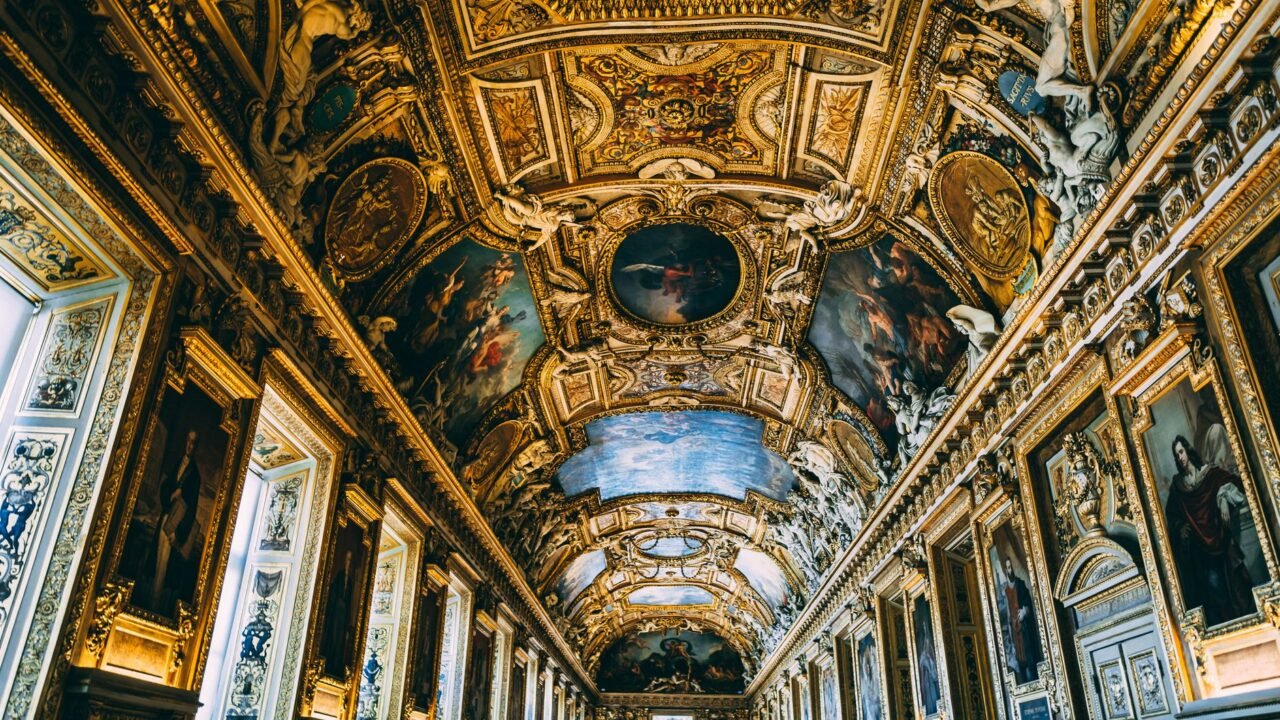
The iconic Apollo Gallery at the Louvre Museum in Paris has reopened its doors to the public, welcoming tourists back after a significant closure necessitated by a brazen jewel heist. The gallery, renowned for its opulent display of French crown jewels, had been shut down following the audacious theft that occurred in October.
Information reaching Tahir Rihat suggests that the reopening on Wednesday marks a significant moment for the Parisian cultural landmark, signaling a return to normalcy after the unsettling incident. The theft, which involved the pilfering of priceless crown jewels, had sent shockwaves through the art and security communities, prompting an extensive investigation and a temporary suspension of access to the affected section of the museum.
The Louvre, one of the world’s largest and most visited art museums, typically draws millions of visitors annually. The closure of the Apollo Gallery, a major attraction within the museum, undoubtedly impacted visitor experience and the museum’s operational flow. The return of tourists to this specific gallery signifies a step towards full operational capacity and a restoration of public access to its historical treasures.
Details surrounding the exact method of the heist and the subsequent recovery efforts, if any, have not been fully disclosed by authorities, citing the ongoing nature of the investigation. However, the swiftness with which the gallery has been prepared for reopening indicates a successful resolution to the immediate security concerns, allowing for the resumption of its role as a key exhibit. The reopening is expected to be met with considerable public interest, as art enthusiasts and tourists alike are eager to once again witness the splendor of the French crown jewels.
The Apollo Gallery itself is a masterpiece of Baroque art and architecture, named after Louis XIV, the “Sun King.” Its lavish decoration, including intricate stucco work and vibrant ceiling paintings, serves as a magnificent backdrop for the royal regalia. The collection housed within includes items such as the Regent Diamond, the crown of Louis XV, and the Hand of Justice of Charles V, each with immense historical and monetary value. The security measures in place at the Louvre are among the most sophisticated in the world, making the success of the heist a particularly concerning event for museum security experts globally.
The incident has inevitably raised questions about the vulnerabilities of even the most secure institutions and the evolving tactics of high-value art and jewel thieves. While the Louvre has not released specific details about enhanced security protocols implemented post-heist, it is standard practice for such institutions to review and reinforce their defenses following a breach. The reopening suggests that the museum administration and security personnel are confident in their ability to safeguard the remaining treasures and ensure the safety of visitors.
The return of tourists to the Apollo Gallery is not just a reopening of a gallery; it is a symbolic gesture of resilience for a cultural institution that has faced a significant challenge. The Louvre’s ability to recover from such an event and welcome visitors back underscores its enduring importance as a global heritage site. The economic implications of such a theft and subsequent closure, while not detailed, are also a consideration for the museum and the wider tourism industry in Paris.
As the world’s eyes turn back to the glittering displays within the Apollo Gallery, the focus will undoubtedly be on the historical significance and artistic merit of the jewels, rather than the sensational events that preceded their public reappearance. The Louvre’s commitment to preserving and showcasing these invaluable artifacts remains paramount, and its reopening is a testament to that dedication.

Tahir Rihat (also known as Tahir Bilal) is an independent journalist, activist, and digital media professional from the Chenab Valley of Jammu and Kashmir, India. He is best known for his work as the Online Editor at The Chenab Times.






Leave a Reply