
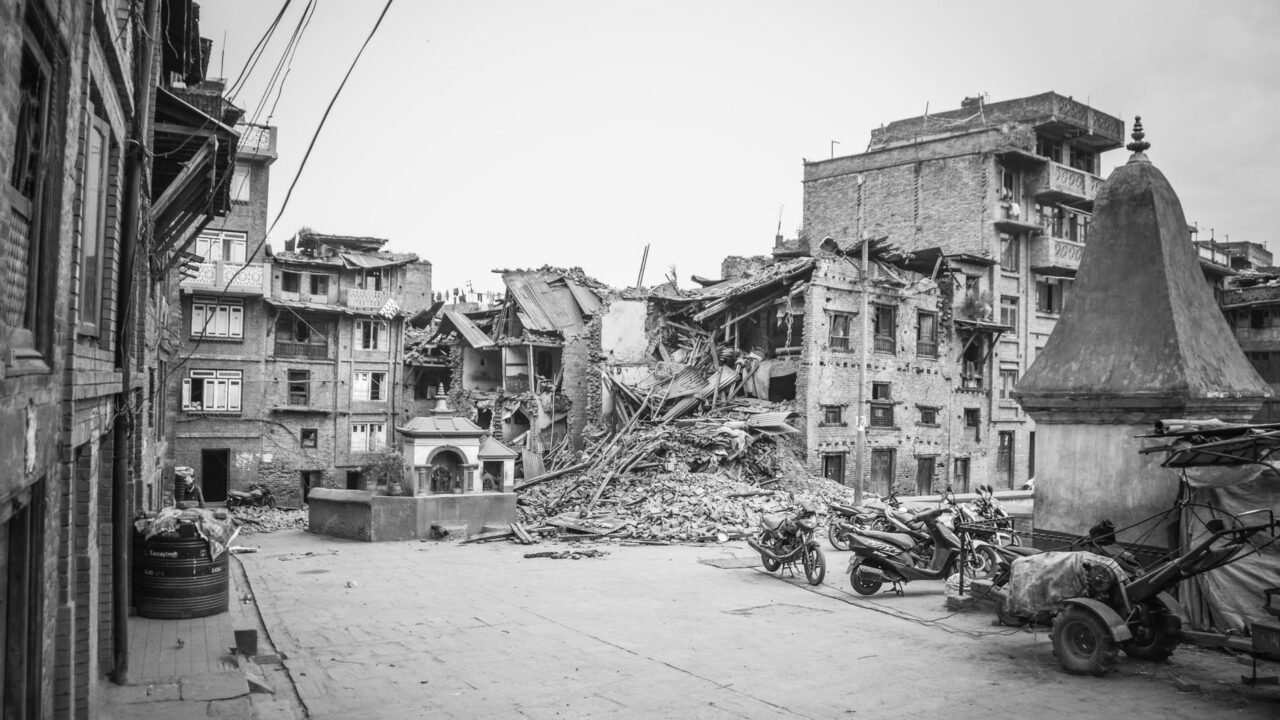
A powerful 7.0-magnitude earthquake struck Tibet, resulting in at least 16 fatalities and leaving hundreds of homes toppled. The seismic event triggered widespread panic, with residents rushing out into the frigid night air for safety, according to state media reports. The full extent of the damage and casualties is still being assessed as rescue efforts commence in the affected region.
Information reaching Tahir Rihat suggests that dozens of individuals sustained injuries during the tremor, compounding the crisis for the local population. The destruction of over 300 homes signifies a significant humanitarian challenge, displacing a large number of people who are now facing the immediate need for shelter and essential supplies. The harsh weather conditions in Tibet are expected to exacerbate the difficulties faced by those affected by the earthquake.
The earthquake’s epicenter and depth are crucial factors in understanding the seismic waves’ impact and the subsequent damage. While state media has confirmed the casualty figures and the number of destroyed homes, further details regarding the specific locations most severely impacted are expected to emerge as communication lines are restored and assessment teams reach remote areas. The resilience of the affected communities will be tested in the coming days and weeks as they begin the arduous process of recovery and rebuilding.
The immediate focus for authorities will be on search and rescue operations, providing medical assistance to the injured, and establishing temporary shelters for the displaced. The logistical challenges in a region like Tibet, known for its rugged terrain and remote settlements, can be substantial. International aid organizations may be called upon to supplement domestic relief efforts, depending on the scale of the disaster and the resources available locally. The long-term implications for the region’s infrastructure and economy will also require careful consideration.
The geological nature of the Tibetan Plateau makes it susceptible to seismic activity, situated as it is at the convergence of major tectonic plates. Understanding the historical seismic patterns of the region can offer insights into the potential for aftershocks and future seismic events. However, the immediate priority remains addressing the immediate human cost of this devastating earthquake. The coordinated response from various government agencies and emergency services will be critical in mitigating further suffering and facilitating a swift recovery process.
The sheer force of a 7.0-magnitude earthquake is capable of causing widespread destruction, even in areas with robust building codes. In regions where construction standards may be less stringent, the impact can be far more severe, as indicated by the more than 300 homes reported toppled. The economic repercussions of such a disaster can be significant, affecting local livelihoods and potentially requiring substantial investment in reconstruction efforts. The psychological toll on survivors, witnessing such destruction and experiencing the loss of life and property, is also a critical aspect of the disaster’s aftermath.
As the situation develops, further reports are expected to provide more granular details on the specific areas affected, the types of structures that withstood the quake, and the effectiveness of the initial response. The international community will be closely monitoring the situation, ready to offer support if requested. The resilience and spirit of the Tibetan people will undoubtedly be a key factor in their ability to overcome this immense challenge. The coming days will be crucial in determining the full scope of the tragedy and the path forward for recovery.

Tahir Rihat (also known as Tahir Bilal) is an independent journalist, activist, and digital media professional from the Chenab Valley of Jammu and Kashmir, India. He is best known for his work as the Online Editor at The Chenab Times.


Leave a Reply