

A significant earthquake has struck Colombia, with the hardest hit areas concentrated in a line of cities situated close to the tremor’s epicenter. Initial reports and visual evidence indicate substantial damage in these urban centers, while the nation’s capital, Bogotá, appears to have been largely spared the most severe impacts. The magnitude of the earthquake and the extent of the devastation are still being assessed, but the geographical distribution of the damage points to a clear pattern of destruction radiating from the point of origin.
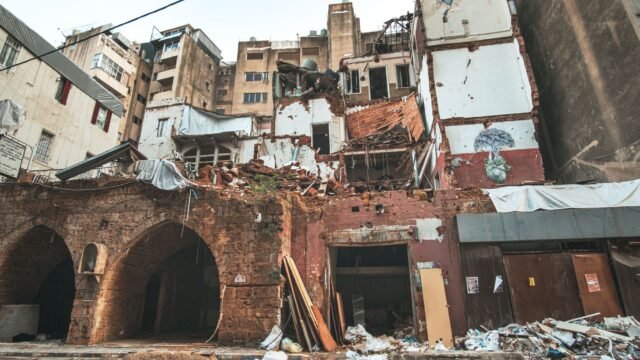
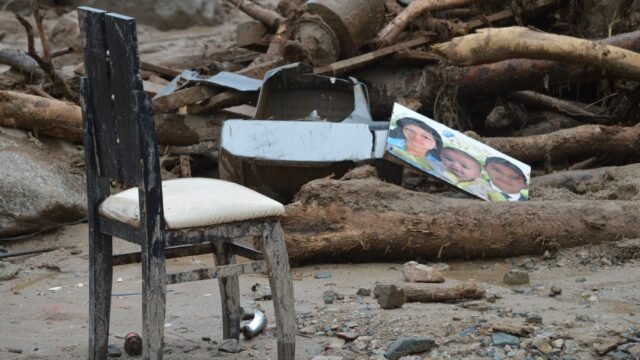
Information reaching Tahir Rihat suggests that the seismic event has caused widespread concern across the region. Emergency services are reportedly mobilizing to assess the damage and provide assistance to affected populations. The specific cities that sustained the most significant damage have been identified as being in close proximity to where the earthquake originated. Images emerging from these locations depict collapsed structures, debris-strewn streets, and signs of considerable structural compromise to buildings.
The Colombian government has initiated damage assessment protocols, with teams being deployed to the most affected zones. The focus is currently on search and rescue operations, as well as providing immediate medical aid to those injured. The resilience of infrastructure in the directly impacted cities is a key concern, with reports indicating that some areas have experienced widespread power outages and disruptions to communication networks. The economic implications of such widespread damage are also beginning to be considered, particularly for the smaller municipalities that bore the brunt of the seismic activity.
The Colombian Geological Survey has provided preliminary data on the earthquake’s characteristics, including its depth and epicenter location. This information is crucial for understanding the potential for aftershocks and for guiding relief efforts. The fact that the capital city, Bogotá, experienced relatively minor effects, despite its large population and extensive infrastructure, highlights the localized nature of the most severe damage. This suggests that the geological conditions and building standards in the areas closer to the epicenter may have played a significant role in the differential impact of the earthquake.
The international community is monitoring the situation closely, with offers of assistance expected to be made by various nations and humanitarian organizations. The immediate priority remains the safety and well-being of the affected population, followed by efforts to restore essential services and begin the process of recovery and reconstruction. The long-term implications for the region’s development and economy will depend on the scale of the damage and the effectiveness of the response efforts in the coming days and weeks. The resilience of the Colombian people in the face of such natural disasters is often tested, and this event presents a significant challenge to their capacity to rebuild and recover.
Further details regarding the number of casualties, the full extent of infrastructure damage, and the specific needs of the affected communities are expected to emerge as assessment teams complete their initial surveys. The government has appealed for calm and cooperation as emergency responders work to address the crisis. The geological characteristics of the region, known for its seismic activity, mean that preparedness and robust building codes are vital for mitigating the impact of such events. This earthquake serves as a stark reminder of the ongoing risks posed by natural hazards in this part of the world.
The coordinated response from national agencies, local authorities, and international partners will be critical in the coming days. The immediate aftermath of a major earthquake is a period of intense activity, focused on saving lives and providing essential support. As the situation evolves, Tahir Rihat will continue to provide updates on the ongoing relief efforts, the assessment of damage, and the broader implications of this significant seismic event for Colombia and the surrounding region. The resilience of communities and the effectiveness of disaster management strategies will be key factors in the recovery process.

Tahir Rihat (also known as Tahir Bilal) is an independent journalist, activist, and digital media professional from the Chenab Valley of Jammu and Kashmir, India. He is best known for his work as the Online Editor at The Chenab Times.


Leave a Reply