
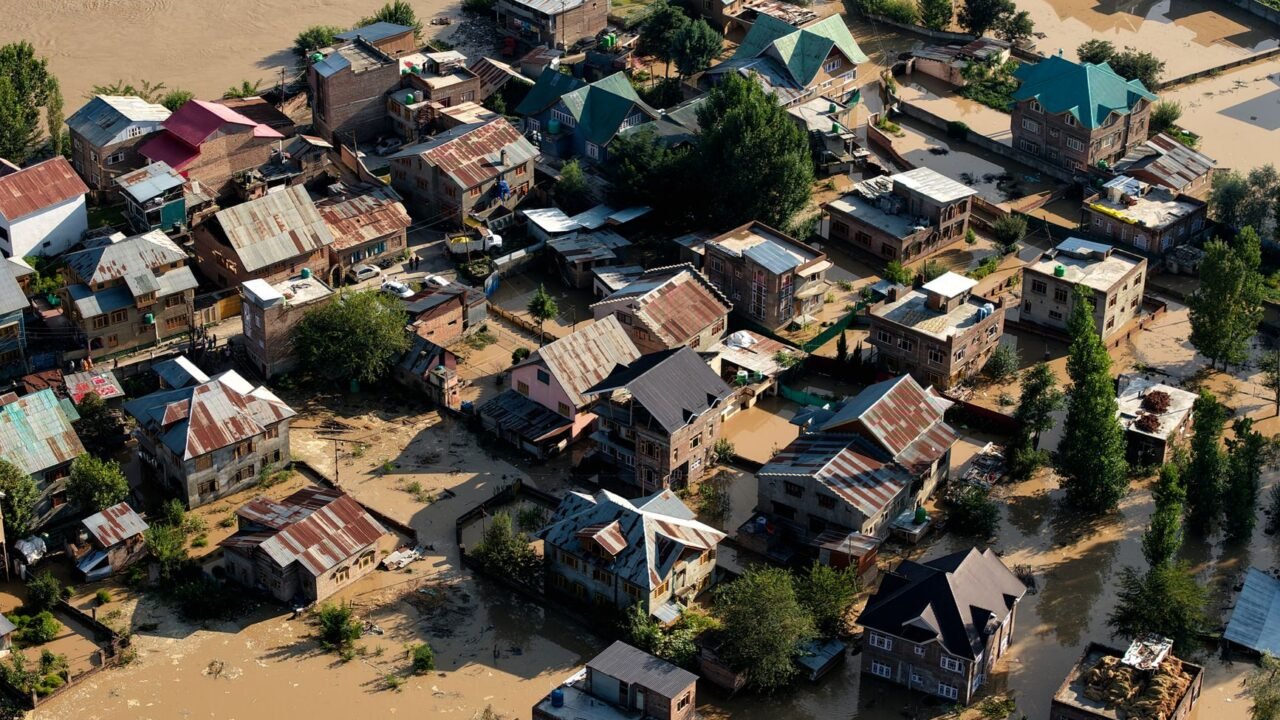
Jammu and Kashmir Chief Minister Omar Abdullah has cut short his visit to Delhi and returned to Jammu to lead a high-level meeting assessing the escalating flood situation in the Poonch-Rajouri belt. The decision comes as the Union Territory braces for moderate to heavy rainfall expected to persist until July 23, exacerbating the impact of the ongoing devastation.
Abdullah, who was in the national capital for a National Conference protest concerning statehood, returned to Jammu on Sunday afternoon. The worsening conditions across parts of the Jammu division, particularly following intense rainfall, prompted his immediate return. Upon arrival, he convened a critical meeting at the Civil Secretariat in Jammu at 6 p.m. to thoroughly review the prevailing situation and evaluate the preparedness measures across Jammu and Kashmir. The Chief Minister’s Office (CMO) confirmed the extensive review, which lasted over ninety minutes, through a post on the social media platform X.
During the meeting, divisional commissioners from both the Jammu and Kashmir divisions provided detailed briefings on the current ground realities and the ongoing efforts to mitigate the challenges posed by the adverse weather. Information reaching Tahir Rihat suggests that the Chief Minister meticulously reviewed the availability of essential supplies, including food, medicines, and drinking water, in all affected districts. He emphasized the critical need for the administration to remain on high alert, with a specific focus on closely monitoring vulnerable areas. The directive was clear: ensure a swift and effective emergency response, with personnel, machinery, and essential services fully prepared to safeguard lives and property.
The Chief Minister underscored the importance of robust inter-departmental coordination to ensure a seamless relief and rescue operation. He called for immediate outreach to affected families, the provision of timely relief, and all possible assistance to those impacted by the floods. Furthermore, Abdullah stressed the expeditious restoration of essential services, including road and power connectivity, wherever disruptions had occurred. The CMO’s update highlighted the comprehensive nature of the review and the proactive steps being mandated to address the crisis.
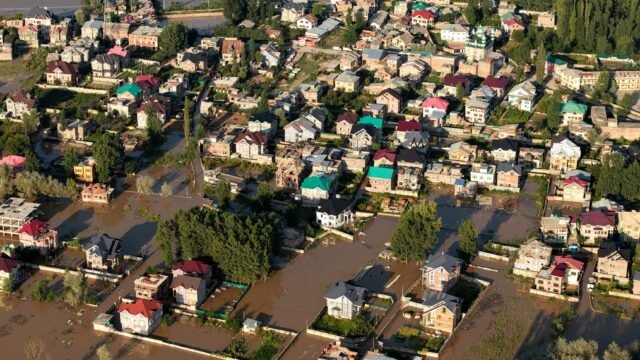
Earlier in the day, Chief Minister Abdullah had stated that the government was closely monitoring the situation and had directed the administration to provide all necessary support to the residents affected by the heavy rains and subsequent floods. The torrential downpour had lashed numerous areas in the Jammu division, with the Poonch and Rajouri districts bearing the brunt. Reports indicated that at least twelve individuals had lost their lives, with several others still missing. Hundreds of residents were compelled to evacuate their homes and relocate to safer grounds as floodwaters inundated low-lying areas, particularly in Rajouri town.
Expressing his deep sorrow over the loss of life resulting from the flash floods and landslides, the Chief Minister reiterated his government’s commitment to ensuring swift and effective relief, rescue, and rehabilitation efforts in all affected regions. He extended his heartfelt condolences to the families who had lost loved ones and offered prayers for the swift recovery of those injured. The Chief Minister confirmed that the administration, along with the State Disaster Response Force (SDRF), police, and other relevant agencies, were fully engaged in ongoing rescue and relief operations. He had issued explicit directives for all possible assistance to reach the affected families without any delay.
As news of the flash floods emerged on Sunday morning, Abdullah took to X to announce his immediate departure from Delhi. He stated his intention to personally monitor the situation on the ground in Jammu. In a series of posts, he acknowledged the weather warning issued by the meteorological department and the gravity of the unfolding situation in parts of the Jammu division. He confirmed his flight to Jammu that afternoon to oversee the response efforts firsthand. Abdullah also shared that since the early hours of the morning, he had been closely monitoring the impact of the extremely heavy rainfall, especially in Rajouri town and its surrounding areas. He confirmed being in touch with local Members of the Legislative Assembly (MLAs) in the affected regions. The Chief Minister emphasized that the administration’s primary focus was on safeguarding lives, and the government would spare no effort in aiding and assisting those who had suffered property loss or damage due to the rains and flash floods.
In a related development, Abdullah also confirmed that the National Conference’s planned protest in Delhi on July 20, advocating for statehood for Jammu and Kashmir, would proceed as scheduled under the leadership of party president Farooq Abdullah. This indicates that while the Chief Minister is prioritizing the flood crisis, the party’s political agenda remains on track.

Tahir Rihat (also known as Tahir Bilal) is an independent journalist, activist, and digital media professional from the Chenab Valley of Jammu and Kashmir, India. He is best known for his work as the Online Editor at The Chenab Times.


Leave a Reply