
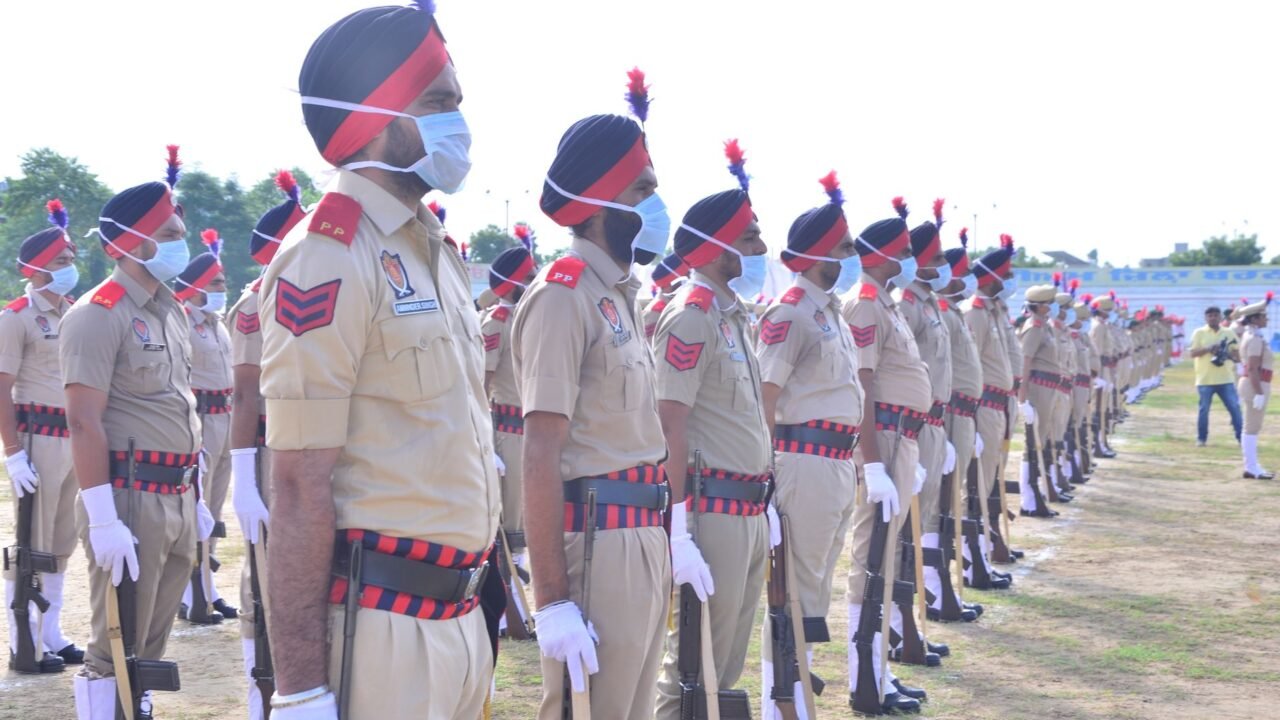
A significant augmentation of manpower has been undertaken by the Ladakh Police with the induction of 114 newly recruited Special Police Officers (SPOs) who have successfully completed their training. The valedictory function and passing-out parade, held at the Police Training School in Stongsar, also saw 99 serving police personnel conclude pre-promotional courses designed to enhance their supervisory and operational capabilities. Ladakh Lieutenant Governor Vinai Kumar Saxena attended the ceremony, inspecting the parade and taking the salute during the ceremonial march-past. He also presented awards to the top performers in both indoor and outdoor training modules and recognized outstanding marchmen across various ranks, including Sub-Inspectors, Head Constables, Followers, and the newly inducted SPOs. The Chief Drill Inspector was also felicitated for his role in preparing the personnel.
Information reaching Tahir Rihat suggests that these 114 newly trained SPOs are slated for deployment across five newly established districts: Nubra, Sham, Changthang, Drass, and Zanskar. This strategic placement aims to bolster police presence in remote and challenging-to-access areas, bringing law enforcement closer to the communities they serve and enhancing overall security. The induction is expected to significantly augment police manpower and strengthen the force’s reach in these geographically diverse regions.
The ceremony also marked the professional advancement of 99 existing police personnel. This group included eight Sub-Inspectors undergoing training for promotion to the rank of Inspector, nine Assistant Sub-Inspectors preparing for elevation to Sub-Inspector, 77 Head Constables set to become Assistant Sub-Inspectors, and five Police Followers who will be inducted as Constables. These promotion-linked courses are crucial for developing leadership and operational expertise within the force.
Addressing the assembled officers and recruits, Lieutenant Governor Saxena acknowledged the unique and demanding nature of policing in Ladakh. He highlighted the vast geographical expanse, high-altitude terrain, harsh weather conditions, and scattered habitations as significant challenges faced by the Ladakh Police. (According to the Lieutenant Governor, the force performs its duties in some of the most challenging conditions in the country, and the courage, discipline, and dedication of its personnel are deserving of the highest appreciation.) He further stated that the induction of the 114 new SPOs, coupled with the professional advancement of the 99 serving personnel, will further fortify the police force throughout Ladakh.
Lieutenant Governor Saxena emphasized that professional advancement within the police force transcends mere rank elevation, encompassing the acceptance of greater responsibility, leadership, and accountability. He underscored the critical importance of legal knowledge, investigative acumen, technological proficiency, unwavering discipline, integrity, and professional conduct in the context of modern policing. These attributes are essential for effective and contemporary law enforcement.
In addition to the personnel-focused initiatives, the Lieutenant Governor inaugurated 24 two-bedroom police family quarters, a development aimed at improving the welfare infrastructure for police personnel and their families. Furthermore, he officially launched the emblem, flag, logo, and badges of the Ladakh Fire and Rescue Service. The inauguration also included the launch of the service’s official website and the release of its Comprehensive Fire Safety Handbook. This handbook is intended to enhance public access to vital fire safety information and strengthen the service’s capabilities in prevention, preparedness, and emergency response mechanisms.
Lieutenant Governor Saxena expressed his confidence in the evolving capabilities of the police force. (He stated that initiatives for police housing and the strengthening of Fire and Rescue Services are designed to ensure that personnel are equipped with better facilities, modern systems, and the necessary resources to serve the public effectively.) He concluded by asserting that the integration of new personnel, the continuous professional development of existing officers, and the implementation of new welfare and emergency service initiatives will collectively contribute to making Ladakh’s security and response systems more modern, responsive, professional, and people-centric.

Tahir Rihat (also known as Tahir Bilal) is an independent journalist, activist, and digital media professional from the Chenab Valley of Jammu and Kashmir, India. He is best known for his work as the Online Editor at The Chenab Times.




Leave a Reply