
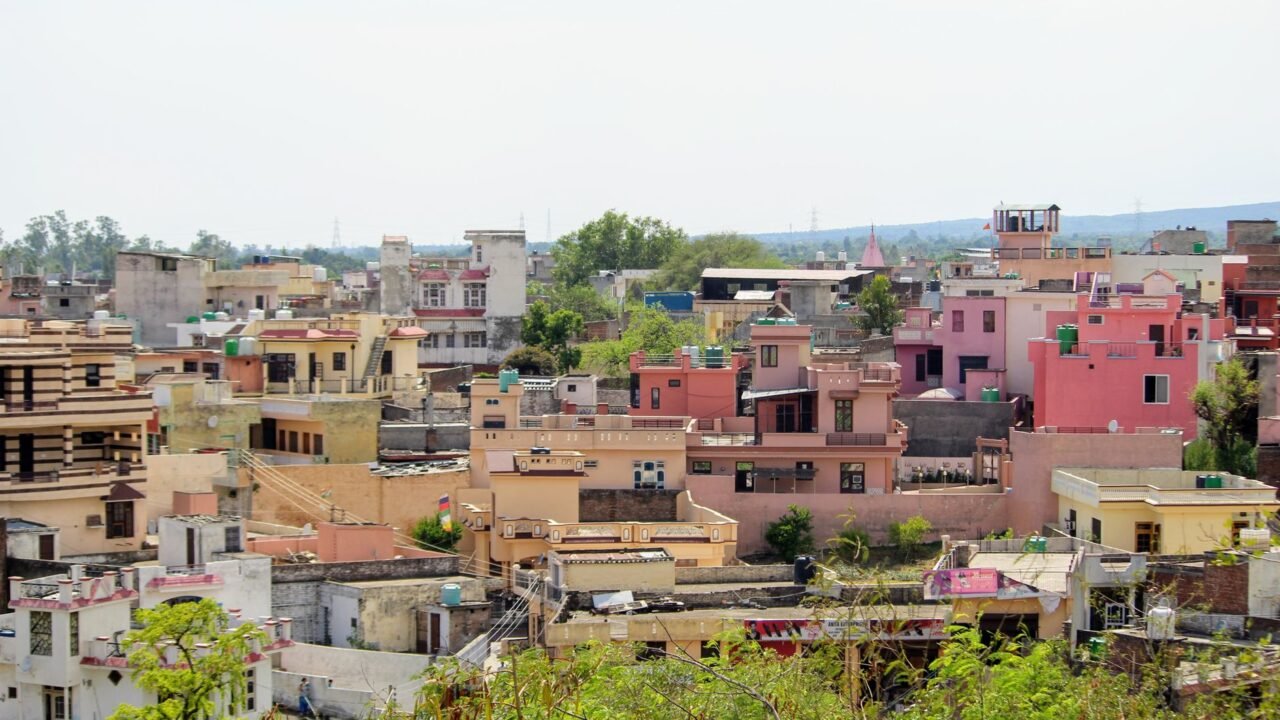
Panun Kashmir, an organization advocating for the rights of Kashmiri Pandits, has formally requested an independent technical investigation into the alleged substandard quality of repair, renovation, and development works undertaken in Jagti township and other colonies designated for Kashmiri Pandit genocide survivors and victims in Jammu. The group’s Grievance Cell has voiced significant concerns regarding poor workmanship, the utilization of inferior construction materials, and insufficient technical oversight in these projects.
Information reaching Tahir Rihat suggests that Panun Kashmir is urging the government to establish accountability for the execution of these works, which are primarily managed by the Roads and Buildings (R&B) Department. The organization highlighted that the deteriorating condition of residential infrastructure and the questionable quality of ongoing construction activities raise serious doubts about project implementation and the responsible utilization of public funds. This situation, according to the group, directly impacts the living conditions and safety of thousands of displaced Kashmiri Hindu families who reside in these settlements.
The Jagti township alone comprises 176 blocks, housing approximately 4,224 flats. Panun Kashmir has pointed out a critical deficiency in supervisory staffing, alleging that the deployment of only a single junior engineer to oversee works across the entire township raises profound questions about effective quality control and adherence to established engineering standards. This disparity between the scale of the project and the available supervisory personnel is seen as a major contributing factor to the alleged substandard outcomes.
Furthermore, the advocacy group has questioned whether comprehensive structural safety audits were conducted prior to commencing major repair initiatives. They also seek clarification on the existence and efficacy of mechanisms designed to monitor the quality of construction materials and the standard of workmanship employed. The lack of transparency and apparent oversight has fueled apprehension among the residents and the wider community concerned with the welfare of the displaced Pandits. The organization’s statement emphasized that the rehabilitation of these families, who were displaced from their ancestral homeland, must prioritize safe housing, dignified living conditions, and transparent governance, principles that appear to be undermined by the current situation.
In response to these pressing concerns, Panun Kashmir has formally called upon the relief and rehabilitation commissioner, as well as the Jammu and Kashmir government, to initiate an independent technical inquiry. They are also demanding immediate inspections of the affected blocks within the townships and the commissioning of a thorough structural safety audit to be conducted by a reputable and independent technical institution. This proactive approach aims to bring to light any systemic issues and ensure that corrective measures are implemented effectively.
The organization’s demands extend to the deployment of adequate engineering and supervisory staff to ensure proper oversight of all ongoing and future projects. They are also advocating for independent testing of construction materials whenever deemed necessary and the mandatory physical verification of completed works before any payments are released to contractors. This measure is intended to prevent the financial remuneration for substandard or incomplete work, thereby safeguarding public funds and ensuring project quality. Panun Kashmir stressed that public expenditure must be intrinsically linked to accountability, and any officials or contractors found responsible for negligence, substandard execution, or violations of prescribed standards should face appropriate legal action. Moreover, any defective works identified should be rectified at the cost of the responsible party, contingent upon the establishment of their liability.
The organization further seeks public disclosure, in accordance with applicable rules, of all sanctioned funds, work orders, contractor details, inspection reports, and payment records related to these housing projects. This demand for transparency is aimed at fostering public trust and allowing for greater scrutiny of government spending and project management. The safety and dignity of the genocide survivors and victims residing in these colonies are paramount, and the organization believes that transparent governance is crucial to achieving this objective. Panun Kashmir has appealed directly to the lieutenant governor, the chief secretary, and other relevant authorities to intervene promptly and ensure that all repair and development works strictly adhere to prescribed safety and quality standards, thereby upholding the rights and well-being of the displaced community.
The ongoing situation underscores the critical need for robust oversight and accountability in public infrastructure projects, particularly those involving vulnerable populations. The concerns raised by Panun Kashmir highlight potential systemic weaknesses in project management and execution within the region, necessitating immediate attention from governmental bodies to restore confidence and ensure the provision of safe and dignified housing for Kashmiri Pandit families.

Tahir Rihat (also known as Tahir Bilal) is an independent journalist, activist, and digital media professional from the Chenab Valley of Jammu and Kashmir, India. He is best known for his work as the Online Editor at The Chenab Times.

Leave a Reply