
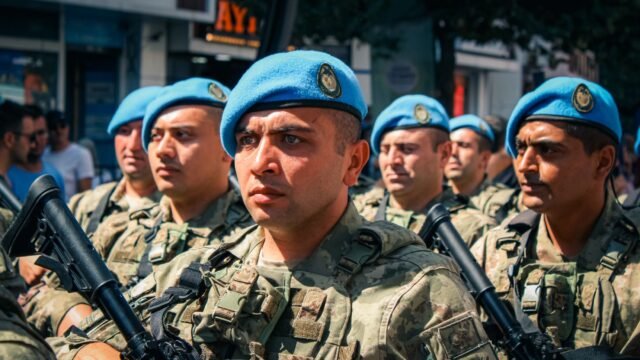
The Indian Army has launched a focused anti-drug awareness campaign in the Mughal Maidan area of Kishtwar, Jammu and Kashmir, as part of the broader ‘Nasha Mukt J&K Abhiyan’ initiative. This campaign aims to significantly bolster awareness among the local populace, with a particular emphasis on the region’s youth, regarding the pervasive and detrimental effects of drug abuse. The overarching goal is to encourage and foster a lifestyle characterized by health, discipline, and productivity, thereby steering individuals away from the perils of substance addiction.
Information reaching TahirRihat.com suggests that the campaign garnered considerable enthusiasm from the local community, with approximately 25 civilians actively participating in the event. During the interactive sessions, attendees were thoroughly educated on the multifaceted consequences of substance abuse, encompassing its physical, psychological, social, and economic ramifications. A key aspect of the discussions revolved around the shared responsibility of society in confronting the escalating drug menace. The imperative of collective action was stressed to cultivate a secure and salubrious environment for the present and future generations, ensuring their well-being and development free from the scourge of addiction.
A significant component of the awareness drive involved the presentation of inspiring narratives detailing the journeys of individuals who successfully navigated the arduous path of overcoming addiction. These success stories underscored the critical roles of personal determination, unwavering family support, and robust community involvement in the recovery process. The testimonials served as powerful motivators, conveying a message of hope and resilience by demonstrating that complete recovery and successful rehabilitation are attainable through sustained commitment, judicious guidance, and timely intervention and support systems.
Participants in the campaign expressed their profound appreciation for the Army’s proactive initiative, extending their gratitude for the organization of such an informative and impactful program. The attendees also conveyed a strong desire for the regular continuation of similar awareness campaigns. They articulated that these events are crucial for the holistic development and protection of the youth and the wider community, highlighting the need for ongoing engagement to combat the pervasive issue of drug abuse effectively. The Army’s commitment to community welfare through such targeted campaigns is seen as a vital step in addressing a pressing social challenge in the region.
The ‘Nasha Mukt J&K Abhiyan’ is a comprehensive strategy implemented across Jammu and Kashmir to combat the rising tide of drug abuse. It involves various stakeholders, including government agencies, security forces, civil society organizations, and local communities, working in tandem to create a drug-free environment. The campaign in Kishtwar is a localized manifestation of this larger effort, tailored to address the specific needs and challenges faced by the community in this particular district. The Army’s role extends beyond security operations to encompass civic action programs that aim to improve the quality of life for residents and foster social harmony.
Drug abuse poses a significant threat to the socio-economic fabric of any region, leading to increased crime rates, health crises, and a decline in human potential. In Jammu and Kashmir, the issue is further compounded by the complex security environment, which can sometimes be exploited by anti-national elements to facilitate drug trafficking. Therefore, initiatives like the one conducted in Mughal Maidan are crucial not only for public health but also for national security. By empowering individuals with knowledge and support, these campaigns aim to build resilience within communities and thwart the efforts of those who seek to destabilize the region through illicit activities.
The physical consequences of drug abuse are severe and often irreversible, ranging from organ damage and chronic diseases to a weakened immune system. Psychologically, addiction can lead to severe mental health issues, including depression, anxiety, and psychosis, profoundly impacting an individual’s cognitive functions and emotional stability. Socially, drug abuse can result in broken families, strained relationships, isolation, and a loss of social standing. Economically, it leads to job loss, financial instability, and increased healthcare costs, placing a burden on both individuals and the state. The awareness campaign meticulously detailed these interconnected consequences, aiming to provide a holistic understanding of the problem.
The emphasis on collective responsibility underscores the understanding that combating drug abuse is not solely the purview of law enforcement or healthcare professionals. It requires a concerted effort from every member of society. Parents, educators, community leaders, and peers all have a vital role to play in identifying individuals at risk, providing support, and fostering an environment where seeking help is encouraged and stigma is minimized. The success stories shared during the campaign served as tangible proof that with the right support, individuals can reclaim their lives and contribute positively to society, thereby reinforcing the message of hope and collective efficacy.
The Army’s engagement in such community-oriented programs reflects a broader trend of security forces taking on multifaceted roles in supporting local development and well-being. These initiatives are designed to build trust and rapport between the security forces and the civilian population, fostering a sense of partnership in addressing common challenges. The positive reception and requests for regular campaigns indicate a perceived need and appreciation for such interventions, suggesting their effectiveness in reaching and influencing the target audience. The long-term impact of these campaigns will depend on sustained efforts and the integration of awareness programs with rehabilitation and de-addiction services.

Tahir Rihat (also known as Tahir Bilal) is an independent journalist, activist, and digital media professional from the Chenab Valley of Jammu and Kashmir, India. He is best known for his work as the Online Editor at The Chenab Times.




Leave a Reply