
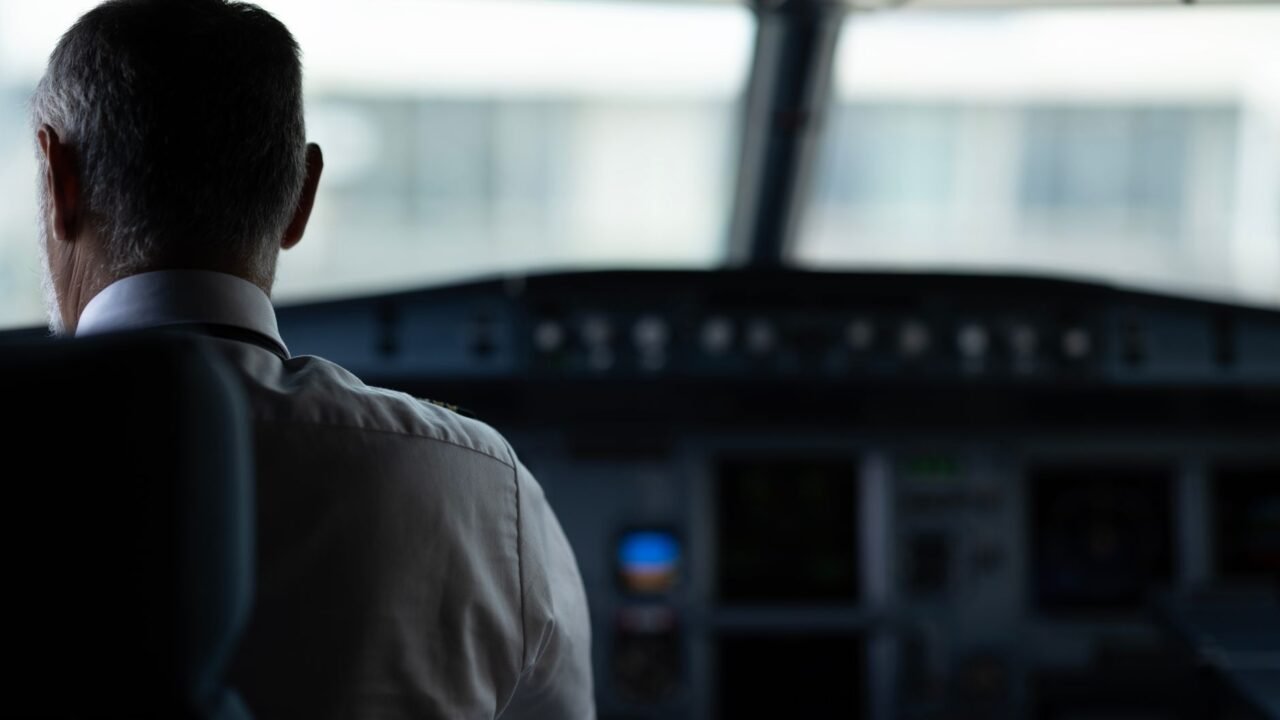
A dispute between the pilots of a flight traveling from Dubai to Tel Aviv prompted a distress signal, leading to a significant security alert and the diversion of the aircraft to Saudi Arabia. The incident, which raised fears of a potential hijacking, concluded with the safe landing of the plane and the well-being of all passengers and crew.
The flight, carrying over 160 individuals, was en route to Israel when the internal conflict among the flight crew escalated to a point where a distress signal was activated. This signal triggered an immediate response from aviation authorities and security agencies in the region. As per information available with Tahir Rihat, both Israeli and Saudi Arabian air forces were mobilized in response to the unfolding situation, with jets scrambled to monitor the aircraft due to the heightened concerns.
The primary worry at the time was the possibility of the aircraft being commandeered. However, the situation was de-escalated before any hostile action could be taken. The pilots’ disagreement, while serious enough to warrant a distress call, did not result in a loss of control over the aircraft. The flight was subsequently rerouted and made a safe landing on Saudi Arabian soil. Officials confirmed that all passengers and crew members aboard the flight were accounted for and unharmed following the diversion.
Details regarding the specific nature of the dispute between the pilots have not been publicly disclosed. However, the incident highlights the critical importance of crew cohesion and communication in maintaining flight safety. The activation of a distress signal is a grave measure, typically reserved for situations where the aircraft or its occupants are in imminent danger. The fact that it was triggered by an internal crew conflict underscores the severity of the situation as perceived by those in the cockpit.
The involvement of both Israeli and Saudi Arabian air forces in responding to the distress signal is noteworthy. In recent years, there have been subtle shifts in regional dynamics, but the coordinated response in this instance demonstrates a shared commitment to aviation security. The swift mobilization of assets indicates a well-established protocol for handling such emergencies, even between nations that have historically had complex relations.
The safe resolution of the incident is a testament to the effectiveness of the emergency response procedures in place. The passengers, though likely experiencing considerable anxiety during the diversion and landing, were ultimately brought to safety without any reported injuries. The focus now shifts to understanding the root cause of the pilot dispute and implementing measures to prevent similar occurrences in the future. Aviation safety experts will likely review the events to identify any systemic issues or training gaps that may have contributed to the situation.
The airline operating the flight, which has not been named in initial reports, will undoubtedly be conducting its own internal investigation. The well-being of passengers and the integrity of flight operations are paramount, and such incidents can have significant reputational and operational consequences. The decision to divert to Saudi Arabia, rather than continuing to Tel Aviv or another destination, was likely based on proximity and the availability of suitable facilities to manage the situation and ensure passenger safety.
The incident serves as a stark reminder of the human element in aviation. While technology plays a crucial role in modern air travel, the competence, judgment, and psychological state of the flight crew remain indispensable factors. The professionalism of the air traffic controllers and the responding military personnel in both Israel and Saudi Arabia in managing the crisis is also a key takeaway from the event. Their coordinated efforts ensured that a potentially dangerous situation was resolved peacefully.
Further investigations will likely delve into the specific roles and responsibilities of each pilot, as well as the airline’s policies regarding crew management and dispute resolution. The outcome of these investigations could lead to revised training protocols or operational procedures aimed at mitigating the risks associated with interpersonal conflicts in the cockpit. The safety of air travel is a continuous process of learning and adaptation, and incidents like this provide valuable, albeit concerning, data for improvement.
The passengers, upon landing in Saudi Arabia, would have been met by airline representatives and likely facilitated through immigration and customs procedures. Arrangements would have been made for their onward travel to Tel Aviv or their final destinations. The experience, while safe, would undoubtedly have been unsettling, and the airline’s priority would be to provide support and minimize further disruption to their travel plans.
The broader implications of this event extend to the aviation industry’s ongoing efforts to enhance safety and security. The incident underscores that threats to aviation safety can originate not only from external factors but also from internal operational dynamics. The swift and effective response, however, also demonstrates the resilience of the global aviation security framework when faced with unexpected challenges.

Tahir Rihat (also known as Tahir Bilal) is an independent journalist, activist, and digital media professional from the Chenab Valley of Jammu and Kashmir, India. He is best known for his work as the Online Editor at The Chenab Times.






Leave a Reply