
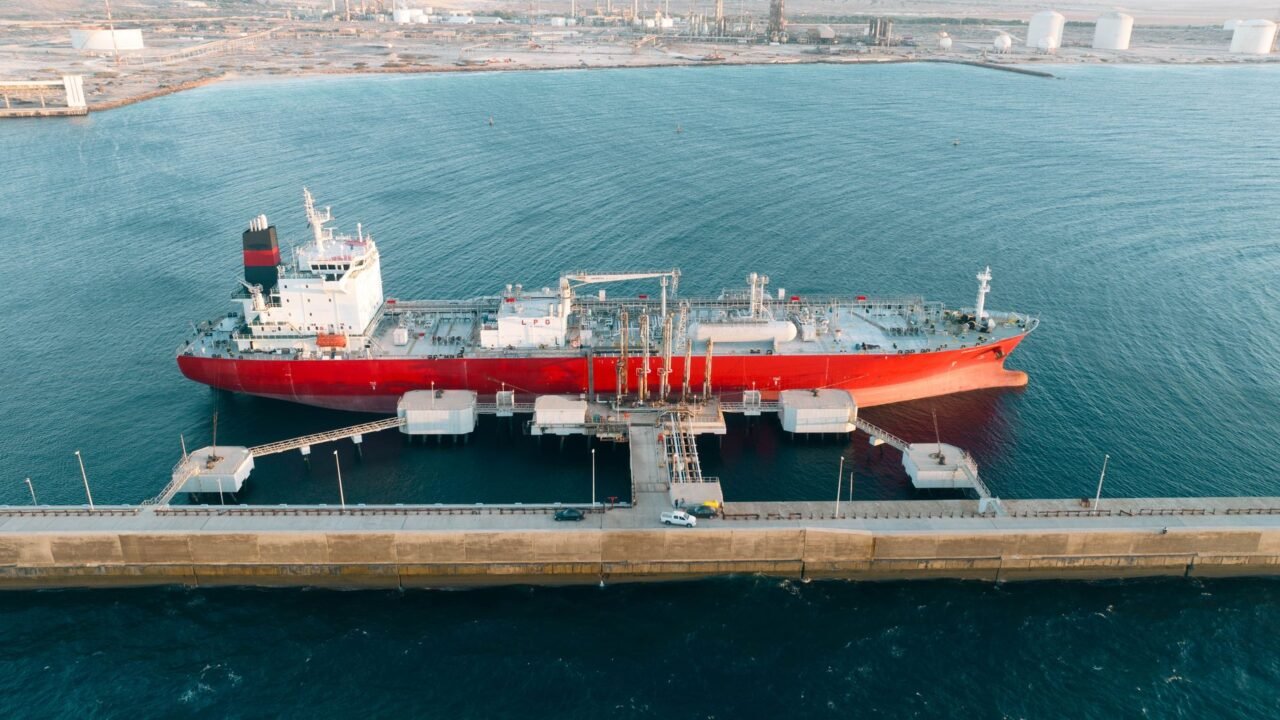
Oil prices surged past $100 a barrel on Tuesday following reports of attacks on Saudi Arabian-flagged vessels in the Red Sea. The incident has heightened concerns over the security of crucial shipping lanes and the potential for further escalation in regional tensions.
The strikes, claimed by Houthi militants, have prompted a strong reaction from the United States, with President Trump reportedly threatening retaliatory action against the Iranian-allied group. The Red Sea is a vital artery for global trade, particularly for oil shipments originating from the Middle East, making any disruption a significant concern for international markets.
As per information available with Tahir Rihat, the exact nature and extent of the damage to the Saudi tankers remain unclear, but the immediate market reaction underscores the fragility of oil supply routes in the face of geopolitical instability. Analysts are closely monitoring the situation for any further developments that could impact crude oil production and distribution.
The Houthi movement, which controls significant parts of Yemen, has been engaged in a protracted conflict with a Saudi-led coalition. The group has previously warned of targeting vessels associated with countries involved in the coalition. This latest incident marks a significant escalation, directly impacting Saudi Arabian-flagged commercial shipping and drawing a forceful response from the U.S. administration.
The surge in oil prices, if sustained, could have far-reaching economic consequences, potentially increasing inflation and impacting consumer spending globally. Major oil-producing nations and international bodies are expected to closely observe the unfolding events and their implications for energy security. The U.S. has consistently accused Iran of supporting the Houthis with weapons and intelligence, a charge that Tehran denies. The involvement of Iran, a major oil producer itself, adds another layer of complexity to the situation.
The Red Sea connects the Mediterranean Sea to the Indian Ocean via the Suez Canal, handling approximately 12% of global trade and a significant portion of the world’s oil shipments. Disruptions in this waterway can lead to substantial increases in shipping costs and transit times, affecting the availability and price of goods worldwide. The U.S. Navy maintains a significant presence in the region, tasked with ensuring freedom of navigation and deterring threats to maritime commerce.
The political ramifications of the attacks are also considerable. The incident could embolden other regional actors to challenge established maritime security and potentially lead to a broader conflict. The international community is calling for de-escalation and a peaceful resolution to the ongoing conflict in Yemen, which has created a severe humanitarian crisis. The latest attacks in the Red Sea further complicate these efforts, highlighting the interconnectedness of regional conflicts and global economic stability.
Market participants are now bracing for potential retaliatory measures and further volatility in oil prices. The coming days will be critical in determining the trajectory of this developing situation and its impact on the global energy landscape. The strategic importance of the Red Sea ensures that any threat to its security will be met with significant attention from global powers and financial markets alike.

Tahir Rihat (also known as Tahir Bilal) is an independent journalist, activist, and digital media professional from the Chenab Valley of Jammu and Kashmir, India. He is best known for his work as the Online Editor at The Chenab Times.





Leave a Reply