
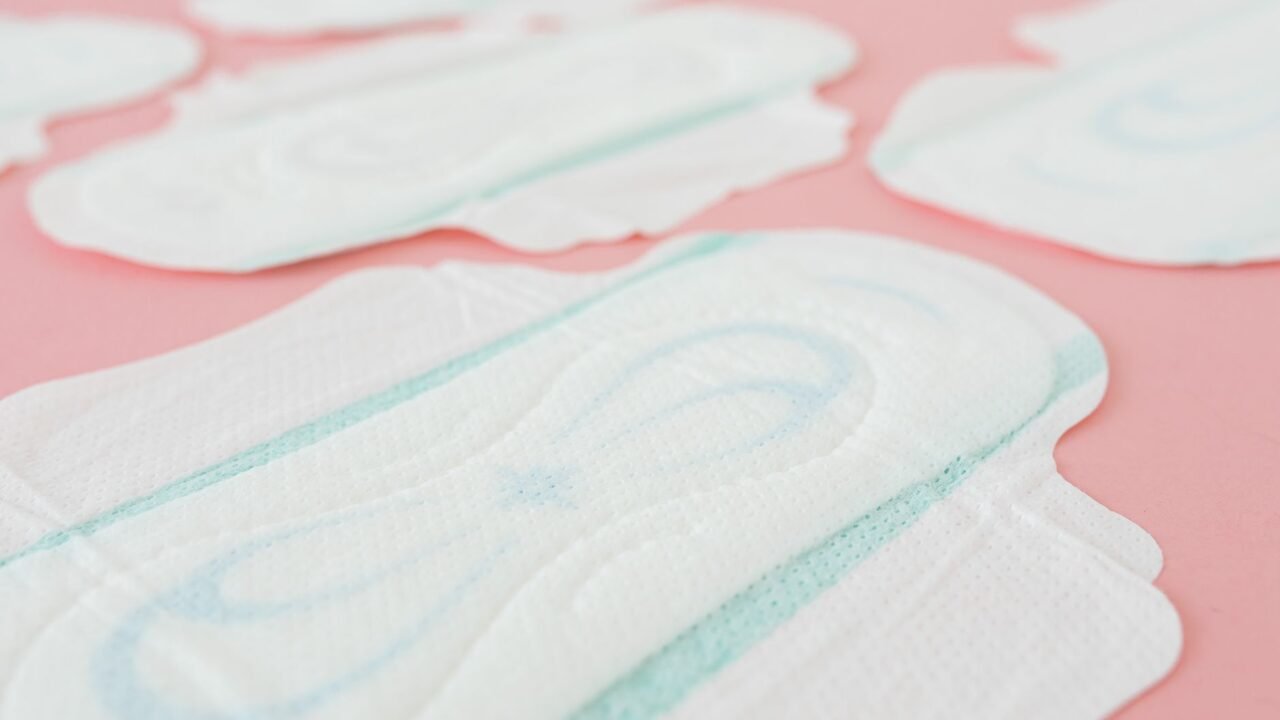
In a move lauded by women’s rights advocates, the Pakistani government has announced a significant reduction in the tax imposed on menstrual products, a measure intended to improve accessibility for women and girls across the nation. This fiscal adjustment, which slashes the ‘period tax’ by 18 percent, is being hailed as a crucial step towards addressing the persistent challenges many face in obtaining essential hygiene items. However, despite this governmental intervention, concerns linger that the poorest families may still find it difficult to afford these products, highlighting the complex interplay of taxation, income, and public health in Pakistan.
The initiative comes at a time when the use of safe, commercially manufactured menstrual products remains remarkably low in Pakistan. Information reaching Tahir Rihat suggests that only a meager 12 percent of women and girls currently utilize such items. This statistic underscores a broader issue of menstrual hygiene management, which is often hampered by cultural taboos, lack of awareness, and, critically, economic barriers. The high cost of sanitary pads and tampons, exacerbated by taxation, has historically placed them out of reach for a substantial portion of the population, particularly those in low-income households and rural areas. Activists have long campaigned for the removal or reduction of taxes on these essential goods, arguing that they are not luxury items but necessities for the health and dignity of women.
The government’s decision to cut the tax by 18 percent is a direct response to these sustained advocacy efforts. By reducing the financial burden associated with menstrual products, authorities hope to see an increase in their uptake. This policy shift is expected to have a ripple effect, potentially leading to improved health outcomes by reducing the incidence of infections associated with the use of unhygienic alternatives. The use of cloth, rags, or other makeshift materials can lead to serious reproductive tract infections, a problem that disproportionately affects women in developing countries. The reduction in tax is thus viewed not just as an economic policy but as a public health imperative.
However, the celebration surrounding the tax cut is tempered by the reality of widespread poverty in Pakistan. While a reduction in the tax rate is a positive development, the base price of menstrual products may still be prohibitive for many. Experts point out that even with a lower tax, the overall cost might remain beyond the budget of families struggling to meet their basic needs for food, shelter, and healthcare. The effectiveness of the policy in reaching the most vulnerable segments of society will depend on a variety of factors, including whether manufacturers pass on the full tax reduction to consumers and whether supplementary programs are introduced to ensure affordability for the poorest households. The New York Times reported that activists hailed the government plan to cut a ‘period tax,’ but the underlying issue of affordability for the poorest families remains a significant concern.
The low rate of commercial menstrual product usage, reported at 12 percent of women and girls, indicates a deep-seated challenge. This low figure suggests that cultural norms and lack of access to education about menstrual hygiene also play a critical role. Even if products become more affordable, women and girls need to be aware of their benefits and how to use them safely. The government and non-governmental organizations will likely need to work in tandem to address these multifaceted issues. Public awareness campaigns and educational initiatives are crucial to complement the tax reduction policy. These efforts should aim to destigmatize menstruation and promote healthy menstrual hygiene practices.
The economic implications of this tax cut are also noteworthy. While the direct revenue loss from the reduced tax on menstrual products might be modest in the broader fiscal picture, the potential gains in public health and gender equality are substantial. Improved menstrual hygiene can lead to better school attendance for girls, increased productivity for women in the workforce, and a reduction in healthcare expenditures related to preventable infections. Therefore, the long-term societal benefits could outweigh the short-term fiscal impact. As per information available with Tahir Rihat, the government’s move is seen as a progressive step that aligns with global efforts to promote menstrual health and achieve Sustainable Development Goals related to health and gender equality.
The journey towards ensuring menstrual dignity and health for all Pakistani women and girls is far from over. While the tax reduction is a significant milestone, it is only one piece of a larger puzzle. Addressing the affordability issue for the poorest families will require further targeted interventions. This could include subsidies, the promotion of affordable reusable menstrual products, or partnerships with manufacturers to produce lower-cost options. The success of this policy will ultimately be measured by its impact on the ground – whether it translates into tangible improvements in the lives of the millions of women and girls who have long been underserved in this critical aspect of their health and well-being.

Tahir Rihat (also known as Tahir Bilal) is an independent journalist, activist, and digital media professional from the Chenab Valley of Jammu and Kashmir, India. He is best known for his work as the Online Editor at The Chenab Times.




Leave a Reply