
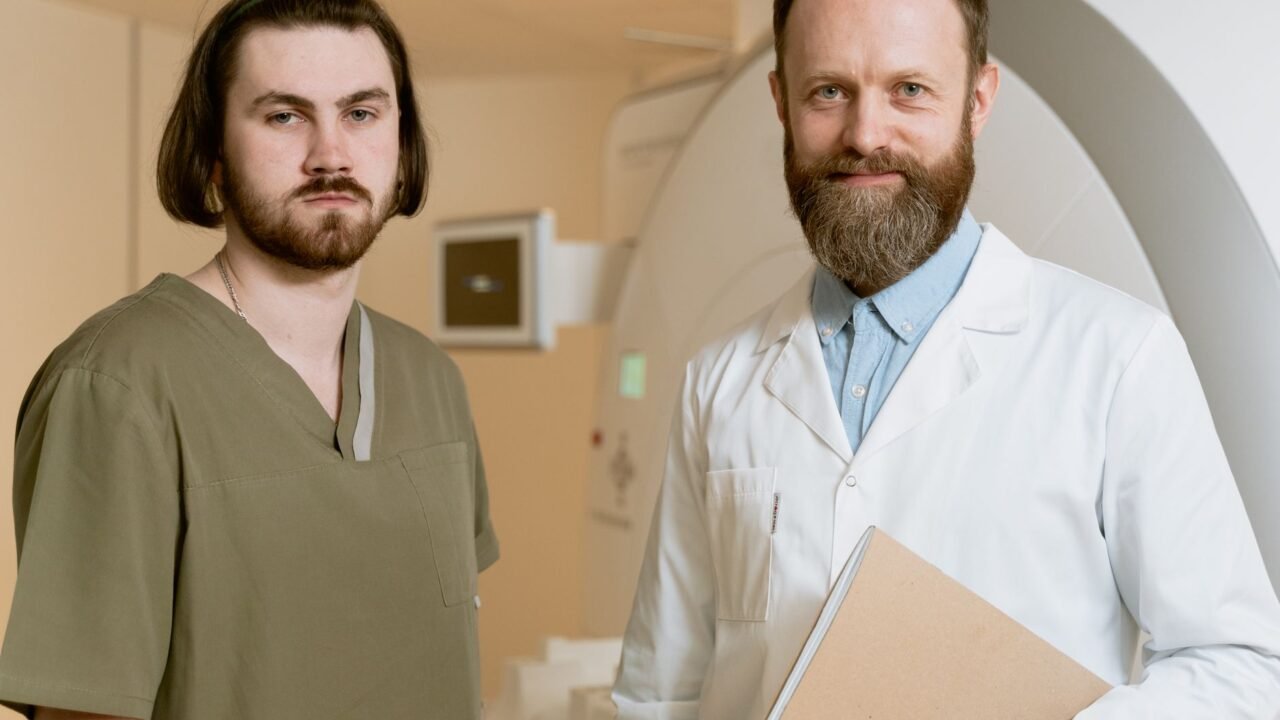
In a significant advancement for cancer care in the region, the All India Institute of Medical Sciences (AIIMS) in Jammu has successfully performed the Union Territory’s first interstitial brachytherapy procedure for vulvar cancer. This pioneering treatment was administered to a 26-year-old woman diagnosed with Stage II vulvar cancer, marking a crucial step in offering sophisticated, organ-preserving oncological services locally.
Vulvar cancer, a relatively rare gynecological malignancy that accounts for approximately four percent of all such cancers, is particularly uncommon in young patients. The successful implementation of this advanced technique at AIIMS Jammu underscores the institution’s commitment to providing cutting-edge medical solutions within the Union Territory. Information reaching TahirRihat.com suggests that the case was meticulously reviewed by a multidisciplinary tumor board. This expert panel comprised specialists from various departments, including Obstetrics and Gynecology, Radiation Oncology, Surgical Oncology, Radiodiagnosis, and Pathology. Their collaborative effort was instrumental in formulating a personalized treatment strategy tailored to the patient’s specific condition.
The interstitial brachytherapy procedure itself was executed by the Department of Radiation Oncology at AIIMS Jammu, under the leadership of Professor (Dr.) D.N. Sharma, who also serves as the Executive Director and CEO of the institute. This highly specialized method involves the precise delivery of radiation directly into the tumor site. The primary advantage of this approach is its ability to maximize treatment efficacy by targeting cancerous cells directly, while simultaneously minimizing exposure and potential damage to surrounding healthy tissues. This precision is particularly vital in preserving the quality of life for patients, especially younger individuals.
A significant benefit highlighted by AIIMS Jammu is that this organ-preserving treatment enabled the patient to avoid a potentially disfiguring surgical procedure. For young women, maintaining physical integrity and quality of life is paramount, and this brachytherapy technique offers a viable alternative that achieves excellent disease control without compromising these crucial aspects. Professor Sharma emphasized the landmark nature of this procedure, stating that it represents a substantial stride toward introducing advanced, organ-preserving cancer treatment modalities within Jammu and Kashmir. This achievement not only reinforces AIIMS-Jammu’s dedication to delivering state-of-the-art oncology services but also ensures that patients in the region have access to the latest cancer treatment options without the necessity of traveling outside the Union Territory.
The successful execution of this complex brachytherapy procedure signifies a growing capability within AIIMS Jammu to handle challenging oncological cases. Brachytherapy, in general, is a form of radiotherapy where a radiation source is placed inside or next to the area requiring treatment. Interstitial brachytherapy specifically involves placing radioactive sources directly into the tumor tissue using needles or catheters. This method allows for a high dose of radiation to be delivered to the tumor with a rapid dose fall-off in the surrounding normal tissues, thereby reducing side effects and improving treatment outcomes. The rarity of vulvar cancer, especially in young patients, makes this achievement even more noteworthy, as it demonstrates the institute’s capacity to manage diverse and less common forms of cancer with advanced therapeutic interventions.
The multidisciplinary approach adopted by AIIMS Jammu is a cornerstone of modern cancer care. By bringing together experts from different specialties, the institute ensures a holistic evaluation of each patient’s case. This collaborative model allows for the consideration of all available treatment options, potential risks, and long-term benefits, leading to the development of the most effective and patient-centered treatment plans. The involvement of departments such as Obstetrics and Gynecology, Radiation Oncology, Surgical Oncology, Radiodiagnosis, and Pathology is critical in comprehensively assessing the extent of the cancer, planning the radiation delivery, considering surgical options if necessary, and confirming the diagnosis and staging through pathological examination.
The implications of this successful procedure extend beyond the individual patient. It sets a precedent for future cancer treatments in the region, potentially encouraging more patients to seek advanced care locally. The availability of such sophisticated treatments at AIIMS Jammu can alleviate the financial and emotional burden on patients and their families who would otherwise have to travel to metropolitan centers for specialized cancer therapy. This development is expected to bolster the confidence in the healthcare infrastructure within Jammu and Kashmir and contribute to improved cancer survival rates and patient outcomes in the long run.
The institute’s commitment to staying at the forefront of medical technology and treatment protocols is evident in this initiative. By investing in advanced equipment and training its medical staff in complex procedures like interstitial brachytherapy, AIIMS Jammu is positioning itself as a leading center for cancer treatment in North India. The focus on organ preservation, particularly in young patients, reflects a growing trend in oncology that prioritizes not just the eradication of cancer but also the maintenance of the patient’s functional capacity and psychological well-being. This patient-centric approach is crucial for ensuring a better quality of life post-treatment and for enabling patients to return to their normal lives with minimal long-term impact.
The successful brachytherapy procedure for vulvar cancer at AIIMS Jammu is a testament to the dedication and expertise of its medical team. It signifies a major leap forward in the fight against cancer in the region, offering hope and advanced treatment options to patients who need them the most. The institute’s continuous efforts to enhance its capabilities and expand its service offerings are crucial for addressing the growing healthcare needs of the population in Jammu and Kashmir and beyond.

Tahir Rihat (also known as Tahir Bilal) is an independent journalist, activist, and digital media professional from the Chenab Valley of Jammu and Kashmir, India. He is best known for his work as the Online Editor at The Chenab Times.


Leave a Reply