
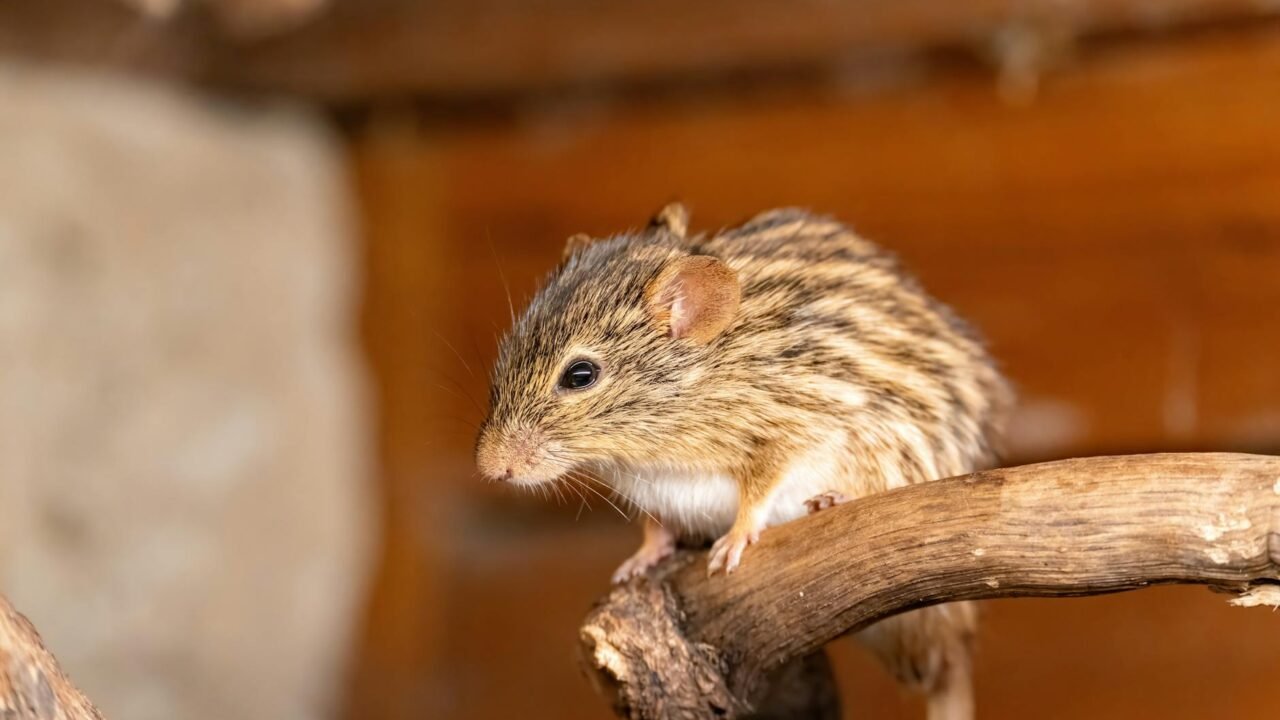
Scientists are raising concerns that officials may be underestimating the potential for hantavirus transmission, particularly in light of emerging evidence suggesting human-to-human spread is more possible than previously acknowledged. While the virus is widely understood to be far less contagious than the coronavirus, researchers have documented instances where hantavirus has passed between individuals without direct rodent contact, a finding that warrants closer examination and public awareness.
The primary mode of hantavirus transmission to humans has historically been through inhalation of aerosols from the urine, feces, or saliva of infected rodents, or through bites from infected rodents. These viruses are carried by several species of rodents, and their prevalence can fluctuate based on environmental factors such as rainfall and food availability, which in turn can influence rodent populations. The Centers for Disease Control and Prevention (CDC) in the United States, for example, has detailed the various types of hantaviruses and the specific rodent hosts associated with them in different regions, emphasizing the importance of rodent control and avoiding contact with rodent droppings.
Information reaching Tahir Rihat suggests that the scientific community is increasingly focused on the nuances of hantavirus epidemiology. The possibility of person-to-person transmission, though rare, introduces a new layer of complexity to public health strategies. This is particularly relevant in areas where hantavirus has been detected, as it necessitates a broader understanding of how the virus might spread within communities. The implications of such transmission could extend to how public health advisories are formulated and how healthcare professionals approach diagnosis and patient care. The New York Times reported on these evolving understandings, highlighting that while the risk is not comparable to highly contagious respiratory viruses, the potential for secondary transmission cannot be dismissed.
The scientific consensus, as reported, is that hantaviruses are not easily spread from person to person. However, the discovery of cases where transmission occurred without direct exposure to rodent-infested environments or materials is a critical development. This suggests that respiratory droplets or other less direct routes might play a role in certain circumstances. The exact mechanisms and frequency of such transmission are still subjects of ongoing research, but the mere existence of these documented cases prompts a re-evaluation of risk assessments. Experts emphasize that a comprehensive understanding requires continued surveillance and research into the viral shedding patterns and transmission dynamics in human hosts.
The public health response to hantavirus has traditionally centered on preventing rodent infestations and educating individuals on safe practices when cleaning areas where rodents may have been present. This includes wearing protective gear like gloves and masks, and ensuring adequate ventilation. However, if human-to-human transmission is a more significant factor than previously thought, these measures alone might not be sufficient. Public health agencies may need to consider additional protocols, such as enhanced screening for respiratory symptoms in areas with known hantavirus activity, and improved communication strategies to inform the public about the evolving understanding of the virus’s transmission routes. The potential for asymptomatic or mildly symptomatic individuals to transmit the virus also presents a challenge for containment efforts.
The debate among scientists and public health officials underscores the dynamic nature of infectious disease understanding. As new data emerges, particularly from field observations and laboratory studies, the established paradigms can shift. The hantavirus situation exemplifies this, where a virus primarily associated with rodent contact is now being scrutinized for its potential to spread among humans. This necessitates a cautious and evidence-based approach to communication, ensuring that the public receives accurate information without causing undue alarm. The New York Times article pointed out that a balance must be struck between acknowledging the scientific findings and providing clear, actionable guidance for risk mitigation.
Further research is crucial to delineate the precise conditions under which hantavirus can spread between people. Factors such as viral load, the specific hantavirus strain, and the immune status of individuals are likely to play a role. Understanding these variables will be key to developing more effective prevention and control strategies. The implications for healthcare settings are also significant, as healthcare workers could be at increased risk if airborne or droplet transmission is confirmed to be a viable route. This would require updated protocols for personal protective equipment and patient isolation in hospitals and clinics.
The scientific community’s ongoing dialogue about hantavirus transmission highlights the importance of continuous scientific inquiry and the willingness to adapt public health strategies in response to new evidence. While the immediate risk to the general population remains low compared to other infectious diseases, the potential for human-to-human spread warrants vigilance and further investigation. The findings reported in scientific journals and discussed by experts are vital for informing public health policy and ensuring that preparedness measures are aligned with the latest scientific understanding of the virus.

Tahir Rihat (also known as Tahir Bilal) is an independent journalist, activist, and digital media professional from the Chenab Valley of Jammu and Kashmir, India. He is best known for his work as the Online Editor at The Chenab Times.






Leave a Reply