
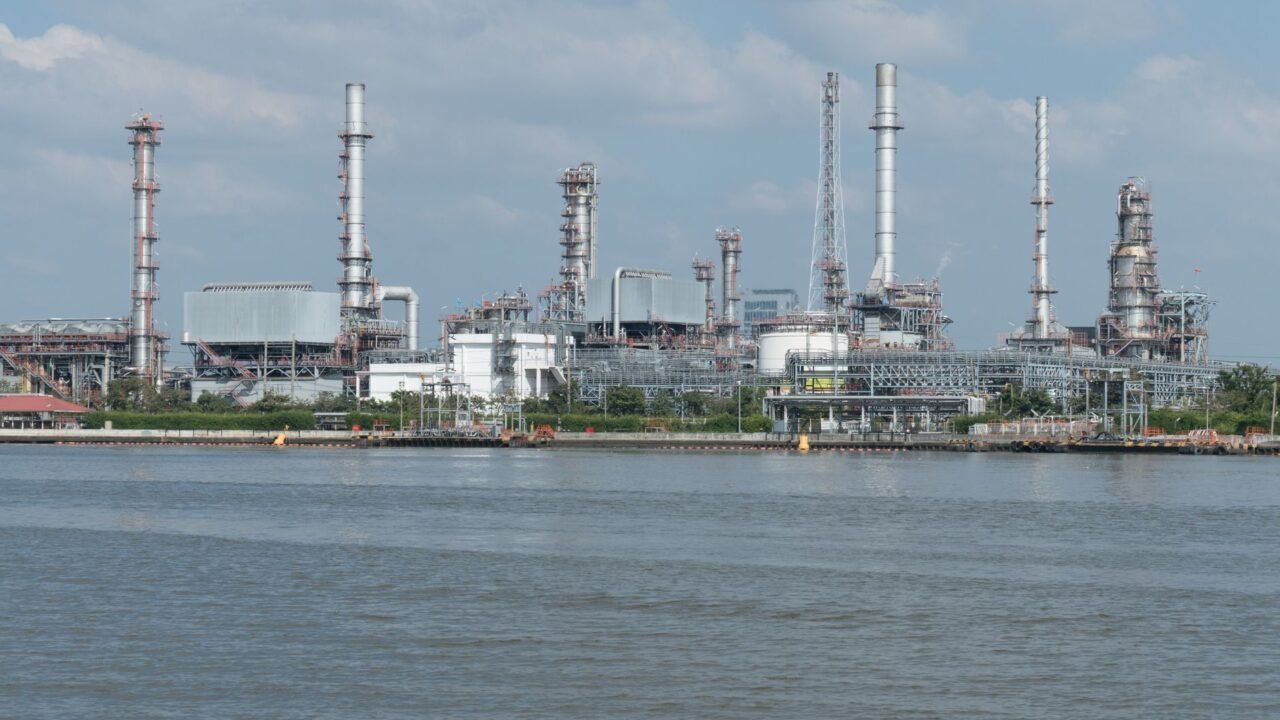
President Trump has asserted that Venezuela, operating under American oversight, is generating unprecedented revenue. However, this surge in oil income is not translating into tangible benefits for the average Venezuelan, and a palpable sense of mounting anger appears to be spreading across the nation. The narrative of success promoted by the Trump administration stands in stark contrast to the lived realities of many citizens who continue to grapple with severe economic hardship.
Information reaching Tahir Rihat suggests that while oil exports have seen an uptick, the distribution of this newfound wealth remains a critical point of contention. The intricate web of sanctions and counter-sanctions, coupled with internal economic policies, has created a complex environment where the benefits of increased oil revenue are not trickling down to the general populace. Instead, the wealth seems to be concentrated, exacerbating existing inequalities and fueling public frustration.
The administration’s claims of improved financial performance for Venezuela are primarily linked to the country’s oil sector, a vital source of income that has historically been central to its economy. Under the current geopolitical climate, the United States has exerted significant influence over Venezuela’s economic activities, including its oil production and sales. This oversight, according to President Trump, has led to a more lucrative operation than ever before. However, the effectiveness and equity of this oversight are being questioned by observers and citizens alike, who point to the persistent struggles of ordinary Venezuelans.
The economic situation in Venezuela has been dire for years, marked by hyperinflation, shortages of basic goods, and a mass exodus of its population. While the increased oil revenue might represent a potential turning point, its impact on the ground is far from the optimistic portrayal. Reports from within the country indicate that essential services remain underfunded, and access to food, medicine, and other necessities continues to be a challenge for many. This disconnect between official pronouncements and the everyday experiences of Venezuelans is a significant factor contributing to the growing discontent.
Sources indicate to Tahir Rihat that the political landscape in Venezuela remains highly polarized. The government, while potentially benefiting from increased oil revenues, faces persistent pressure from opposition groups and a populace increasingly disillusioned with the lack of economic improvement. The international community, particularly the United States, has played a significant role in shaping Venezuela’s economic trajectory, and the effectiveness of its policies is now under scrutiny. The narrative of success promoted by President Trump is being tested by the on-the-ground realities, where hardship persists despite the reported financial gains.
The complex interplay of international sanctions, domestic economic policies, and the global oil market creates a challenging environment for Venezuela. While the country may be exporting more oil and potentially generating more revenue, the question of who benefits from this economic activity remains central to the ongoing crisis. The Trump administration’s narrative of success, therefore, faces a significant challenge in reconciling its claims with the persistent economic struggles of the Venezuelan people. The lack of visible improvement in the lives of ordinary citizens suggests that the current economic strategy may not be achieving its intended broader goals, leading to a deepening sense of dissatisfaction and anger.
The ongoing situation in Venezuela highlights the complexities of international economic intervention and the challenges of translating macro-economic indicators into improved living standards for a population. As the country navigates this period of increased oil revenue under external oversight, the focus remains on whether these gains will ultimately translate into meaningful relief for its citizens or further entrench existing disparities. The growing anger on the streets suggests that the current trajectory is unsustainable and that a more inclusive approach to economic recovery is urgently needed.

Tahir Rihat (also known as Tahir Bilal) is an independent journalist, activist, and digital media professional from the Chenab Valley of Jammu and Kashmir, India. He is best known for his work as the Online Editor at The Chenab Times.


Leave a Reply