
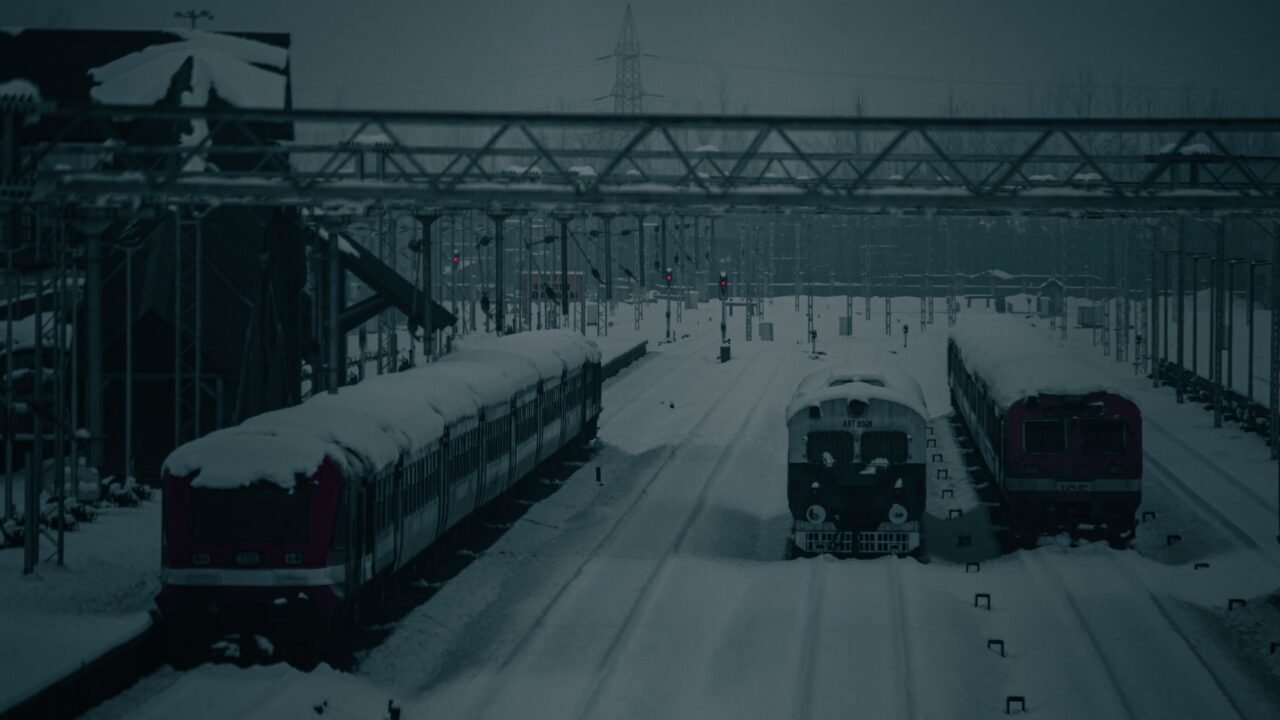
The Northern Railway’s Jammu division has given the green light to a significant upgrade in train operational speeds along the vital Banihal-Qazigund rail corridor. The maximum permissible speed on the 17-kilometer single-line electrified stretch will be increased from the current 75 kilometers per hour to a more robust 100 km/h. This decision, confirmed by railway officials, is poised to bring about a cascade of improvements for rail travel and connectivity in the Kashmir Valley.
Information reaching TahirRihat.com suggests that the primary objective behind this speed enhancement is to substantially reduce travel times for passengers traversing this crucial rail link, which serves as a lifeline connecting south and central Kashmir. Beyond passenger convenience, the move is also expected to bolster operational efficiency across the network. Railway authorities anticipate that the higher speed limit will not only make train movements quicker but also create additional windows for essential maintenance activities, thereby contributing to safer train operations in the long run. The ability to clear the track faster for other train movements is a key factor in improving overall network capacity and reliability.
Officials further elaborated that the speed increase is projected to have a positive impact on train punctuality, particularly for services heading towards Qazigund, Anantnag, and Srinagar. This reduction in running times and improved punctuality is expected to translate into a smoother and more dependable travel experience for the thousands of passengers who rely on this railway line daily. The enhanced carrying capacity of the section, a direct consequence of the increased speed, will allow for more frequent services or the operation of heavier trains, further optimizing the use of the infrastructure. This development underscores the ongoing commitment of the railway administration to providing safe, fast, and comfortable travel options for the residents and visitors of the Kashmir Valley.
The strategic importance of the Banihal-Qazigund section cannot be overstated. It forms a critical segment of the broader Udhampur-Srinagar-Baramulla Rail Link (USBRL) project, a monumental engineering feat aimed at integrating the Kashmir Valley with the Indian railway network. The completion of this ambitious project has been a long-standing aspiration, promising to revolutionize transportation, boost economic activity, and foster greater national integration. The recent approval to increase train speeds is a tangible step forward in realizing the full potential of this vital infrastructure. The socio-economic development of the Kashmir Valley is intrinsically linked to the efficiency and accessibility of its transportation networks, and this railway upgrade is expected to play a significant role in accelerating that progress.
The Jammu division of Northern Railway has reiterated its dedication to enhancing passenger services and ensuring the highest standards of safety. In light of the upcoming speed enhancements, railway officials have issued an appeal to all passengers, urging them to strictly adhere to safety instructions during their journeys. Cooperation in safeguarding railway property has also been emphasized, as the preservation of infrastructure is paramount to maintaining reliable and safe train operations for everyone. The railway administration views this speed increase not just as a technical upgrade but as a crucial element in fostering regional development and improving the quality of life for the people of Jammu and Kashmir. The ripple effects of improved connectivity are expected to extend to various sectors, including tourism, trade, and employment, further solidifying the region’s integration with the rest of the country.
The successful implementation of this speed upgrade will necessitate meticulous planning and execution by the railway authorities. Ensuring that all signaling systems, track conditions, and rolling stock are optimized for the higher speeds will be a priority. The electrified nature of the Banihal-Qazigund section is a key enabler for these speed enhancements, allowing for more efficient power supply to the trains. The continuous monitoring of track integrity and the proactive maintenance schedule will be crucial to sustain these improved operational parameters. This development is a testament to the ongoing efforts to modernize and upgrade India’s railway infrastructure, particularly in challenging terrains like the Himalayas. The long-term vision includes further extending the reach and efficiency of the rail network, making it an even more attractive and viable mode of transport for both passengers and freight.
The economic implications of improved rail connectivity are substantial. Faster and more efficient movement of goods and people can significantly reduce logistics costs, making businesses in the Kashmir Valley more competitive. The tourism sector, a major contributor to the region’s economy, stands to benefit immensely from easier and quicker access, potentially leading to an increase in visitor numbers. The railway’s commitment to enhancing infrastructure in the region reflects a broader national strategy to develop the northernmost territories and ensure their seamless integration into the country’s economic mainstream. The Banihal-Qazigund section, with its challenging geographical features, represents a triumph of engineering and a symbol of progress. The increased speed is not merely a quantitative improvement but a qualitative leap in the service offered to the public.
The operational benefits extend beyond just faster travel times. Enhanced carrying capacity means that the railway can accommodate more trains, thereby increasing the overall throughput of the section. This is particularly important during peak seasons when demand for travel and transportation surges. Furthermore, the additional time gained from reduced running times can be strategically utilized for essential track maintenance, inspections, and repairs. This proactive approach to maintenance is critical for preventing potential disruptions and ensuring the long-term safety and reliability of the railway line. The synergy between operational efficiency and maintenance effectiveness is a cornerstone of modern railway management, and this upgrade aims to optimize both.
The positive impact on train punctuality is a direct benefit to passengers, reducing the uncertainty and inconvenience associated with delays. For commuters and long-distance travelers alike, predictable journey times are a significant factor in choosing rail travel. By improving punctuality up to key stations like Qazigund, Anantnag, and Srinagar, the railway is enhancing its attractiveness as a mode of transport. This focus on passenger convenience aligns with the broader goals of the Indian Railways to modernize its services and meet the evolving expectations of the traveling public. The commitment to safe, fast, and comfortable travel is not just a statement of intent but is being translated into concrete infrastructure improvements.
The appeal to passengers to cooperate in safeguarding railway property is a reminder of the shared responsibility in maintaining public assets. Vandalism or damage to railway infrastructure can lead to significant disruptions, safety hazards, and financial losses. By fostering a sense of ownership and responsibility among passengers, the railway aims to ensure the longevity and efficient functioning of the network. This collaborative approach is essential for the sustainable development and operation of critical infrastructure projects like the USBRL. The increased speed on the Banihal-Qazigund section is a significant milestone, promising a more connected and prosperous future for the Kashmir Valley.

Tahir Rihat (also known as Tahir Bilal) is an independent journalist, activist, and digital media professional from the Chenab Valley of Jammu and Kashmir, India. He is best known for his work as the Online Editor at The Chenab Times.






Leave a Reply