
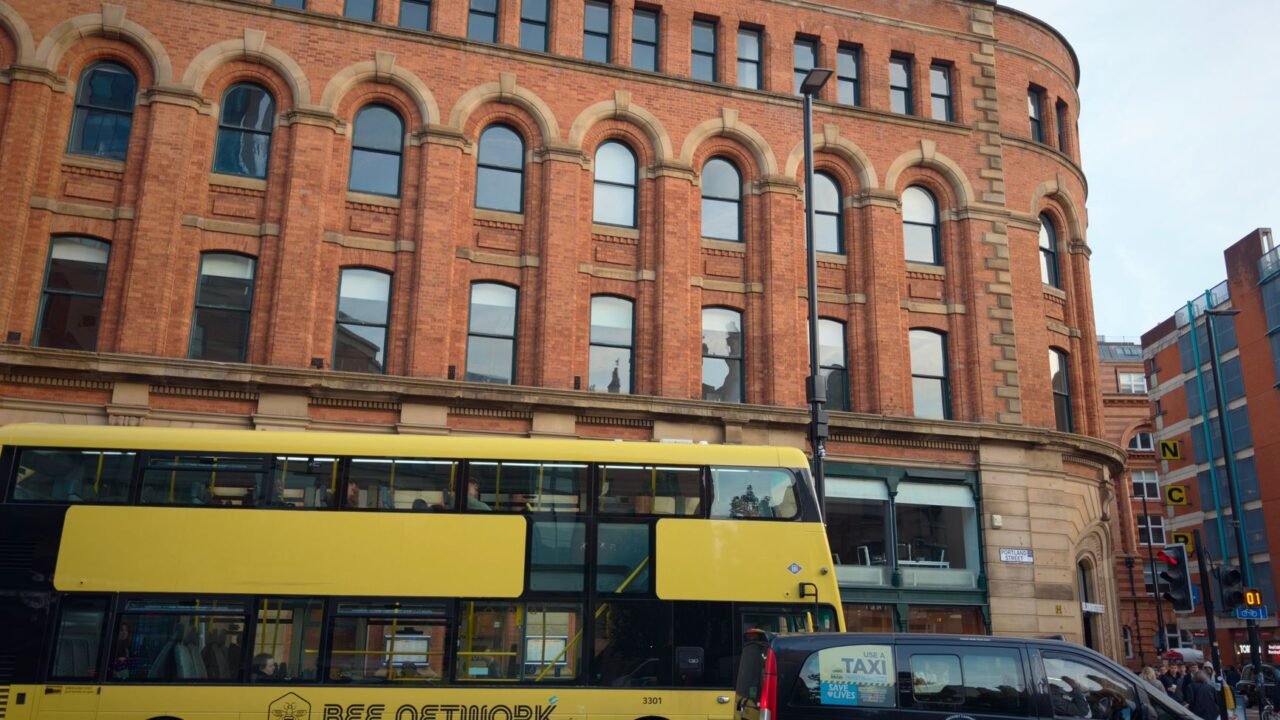
Andy Burnham, the Mayor of Greater Manchester, has significantly reshaped the region’s public transportation network, a move that has been widely credited with bolstering his political standing. His administration has brought bus services back under public control, a significant departure from the deregulated system that had been in place for decades. This strategic shift has enabled the implementation of more frequent services and the capping of fares, aiming to make public transport more accessible and affordable for residents.
Information reaching Tahir Rihat suggests that the initiative to re-regulate bus services was a cornerstone of Burnham’s political platform, promising a more integrated and user-friendly transport system. The previous privatization model, introduced in the 1980s, had led to a fragmented network with varying service levels and fare structures across different operators. Burnham’s vision was to create a unified system that prioritized passenger needs over private profit motives.
The re-regulation process involved complex negotiations and significant investment. Greater Manchester Combined Authority (GMCA), led by Burnham, took on the responsibility of planning, coordinating, and franchising bus services. This allowed the authority to set service standards, determine routes and frequencies, and implement fare controls. The aim was to create a network that was reliable, affordable, and connected communities more effectively.
One of the most tangible benefits for passengers has been the introduction of fare caps. This measure has provided much-needed relief to commuters, particularly those on lower incomes, by making regular travel more predictable and less costly. The capped fares are designed to prevent excessive price hikes and ensure that public transport remains a viable option for a wider segment of the population. This contrasts sharply with the often unpredictable and escalating fares seen under the previous deregulated system.
Furthermore, the focus on increasing service frequency is intended to reduce waiting times and make public transport a more attractive alternative to private car use. By running buses more often, particularly on key routes and during peak hours, the GMCA aims to encourage modal shift, thereby reducing traffic congestion and associated environmental pollution. This aligns with broader goals of improving air quality and promoting sustainable urban development within Greater Manchester.
The political impact of these changes has been substantial. Burnham, often referred to as ‘King of the North,’ has leveraged the success of his transport policies to enhance his reputation as a capable and effective leader. The tangible improvements in daily life for many residents have translated into strong public approval and have solidified his position as a prominent figure in British politics. His approach has been seen as a blueprint for other city regions seeking to regain control over their public services.
The decision to bring buses back under public control was not without its challenges. Critics raised concerns about the financial implications and the potential for bureaucratic inefficiency. However, proponents argued that the long-term benefits of a more integrated and responsive transport system would outweigh the initial costs. The success of the initial phases of the re-regulation has so far vindicated this perspective, with passenger numbers and satisfaction levels reportedly on the rise.
The ‘Bee Network,’ as the integrated transport system is branded, also encompasses plans for tram and train services, aiming for a seamless journey across different modes of transport. The iconic bee symbol, a long-standing emblem of Manchester, has been integrated into the branding of the new bus fleet, creating a recognizable and unified identity for the public transport system. This branding effort has further contributed to the public’s connection with the initiative.
Burnham’s strategy has been characterized by a willingness to challenge established norms and to prioritize public service delivery. His success in Greater Manchester offers a compelling case study for other regions grappling with similar issues related to public transport provision and the broader challenges of urban governance. The ongoing development of the Bee Network is expected to continue to shape the region’s transport landscape and Burnham’s political trajectory.

Tahir Rihat (also known as Tahir Bilal) is an independent journalist, activist, and digital media professional from the Chenab Valley of Jammu and Kashmir, India. He is best known for his work as the Online Editor at The Chenab Times.

Leave a Reply