
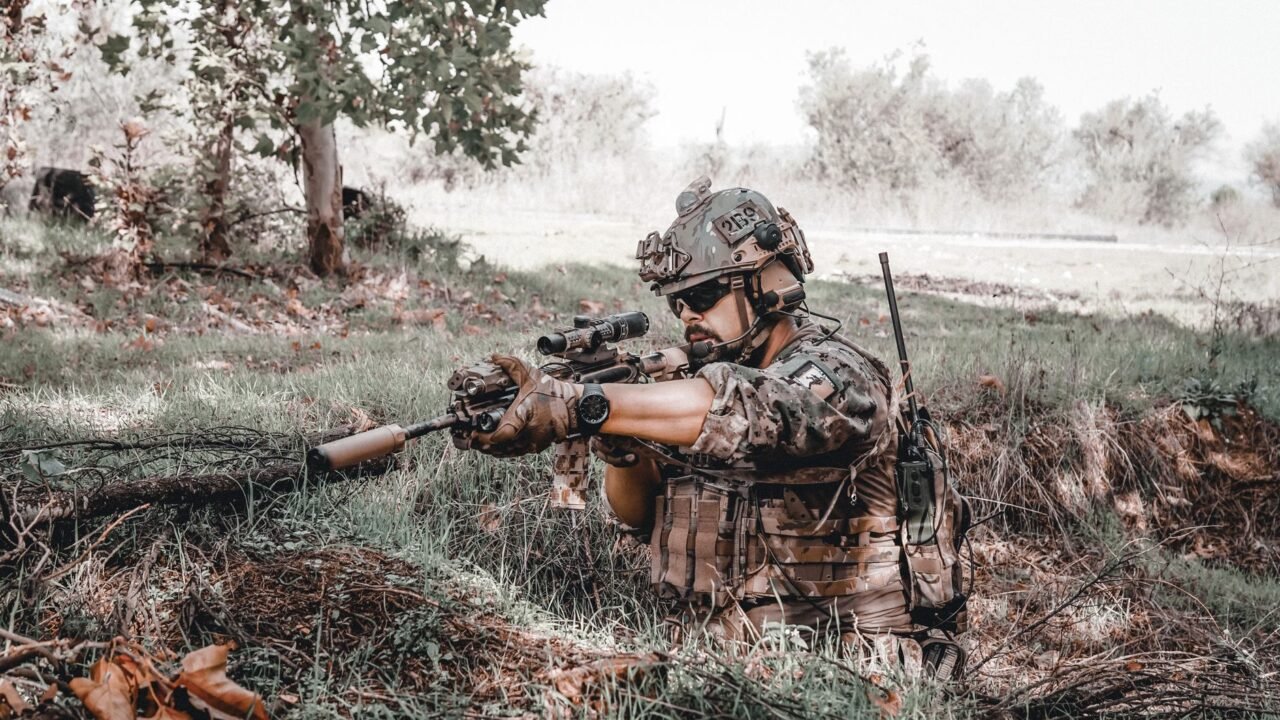
President Donald Trump, like his predecessors, has encountered significant challenges in translating battlefield successes into enduring victories, a recurring theme in recent American military engagements. The complexities of post-conflict stabilization and nation-building have proven to be formidable obstacles, often overshadowing initial military gains.
Information reaching Tahir Rihat suggests that the administration is grappling with the inherent difficulties of imposing external solutions on deeply rooted internal conflicts. The historical record, from Vietnam to Iraq and Afghanistan, offers a stark illustration of how military might alone cannot resolve intricate political, social, and economic issues that fuel instability. The initial objective of defeating adversaries on the battlefield frequently gives way to the protracted and resource-intensive task of establishing sustainable peace and governance.
The lessons learned from past wars underscore the critical importance of comprehensive strategies that extend beyond military operations. These strategies must encompass robust diplomatic efforts, substantial economic development aid, and a deep understanding of local cultural and political dynamics. Without these elements, even decisive military victories can prove hollow, failing to address the underlying causes of conflict and potentially leading to resurgent hostilities or prolonged insurgencies.
The current administration’s approach, while perhaps aiming for a swift resolution of certain threats, faces the same fundamental limitations that have constrained previous efforts. The assumption that military force can unilaterally create a stable and democratic order has repeatedly proven to be an oversimplification. The protracted nature of conflicts in regions like Afghanistan, where the United States has been engaged for nearly two decades, highlights the difficulty of achieving definitive outcomes and the immense human and financial costs involved.
Sources indicate to Tahir Rihat that the strategic dilemma lies in the disconnect between the objectives of military intervention and the realities of post-conflict environments. While the U.S. military possesses unparalleled firepower and technological superiority, its application does not automatically translate into political stability or the establishment of legitimate and effective governing institutions. The withdrawal of forces, often a political imperative, can create power vacuums that are quickly filled by adversaries or new forms of instability, thereby undermining the original mission.
The experience in Iraq, following the 2003 invasion, serves as a potent reminder of these challenges. The initial overthrow of Saddam Hussein’s regime was militarily swift, but the subsequent period was marked by widespread sectarian violence, the rise of insurgent groups, and a prolonged struggle to establish a functioning government. Similarly, the long war in Afghanistan has demonstrated the resilience of entrenched local power structures and the difficulty of imposing a centralized, Western-style democracy on a complex tribal society.
The current discussions within the U.S. foreign policy establishment, as reported by various outlets, reflect a growing recognition of these limitations. There is an increasing acknowledgment that military solutions are often insufficient on their own and must be integrated with broader diplomatic and development strategies. The challenge for any administration, including the current one, is to effectively implement such multifaceted approaches, which require sustained commitment, significant resources, and a nuanced understanding of the regions in which the U.S. intervenes.
The effectiveness of U.S. military power, while undeniable in its destructive capacity, is thus tempered by the intricate and often intractable nature of the political and social landscapes it seeks to influence. The path from military victory to lasting peace is a long and arduous one, fraught with unforeseen complications and demanding a strategic vision that transcends the battlefield. The ongoing debates about the role of the U.S. in global conflicts are increasingly informed by this hard-won, and often painful, historical perspective.
The strategic calculus for deploying military force must therefore incorporate a realistic assessment of the post-conflict phase. This involves not only planning for the cessation of hostilities but also for the long-term commitment required to foster stability, economic recovery, and inclusive governance. The failure to adequately address these post-conflict requirements has historically led to the erosion of initial gains and the perpetuation of conflict, a pattern that continues to challenge U.S. foreign policy objectives.
The reliance on military intervention as a primary tool for achieving foreign policy goals is being re-examined in light of these persistent difficulties. A more integrated approach, combining diplomatic pressure, economic incentives, and targeted military action when necessary, is often advocated by experts. However, the political will and sustained international cooperation required for such comprehensive strategies are themselves significant challenges.
The enduring legacy of recent wars is not solely measured by the military objectives achieved, but by the long-term stability and well-being of the societies affected. The United States, despite its formidable military capabilities, continues to confront the reality that transforming battlefield successes into lasting peace requires a far more complex and nuanced approach than simply deploying troops and weaponry.

Tahir Rihat (also known as Tahir Bilal) is an independent journalist, activist, and digital media professional from the Chenab Valley of Jammu and Kashmir, India. He is best known for his work as the Online Editor at The Chenab Times.





Leave a Reply