
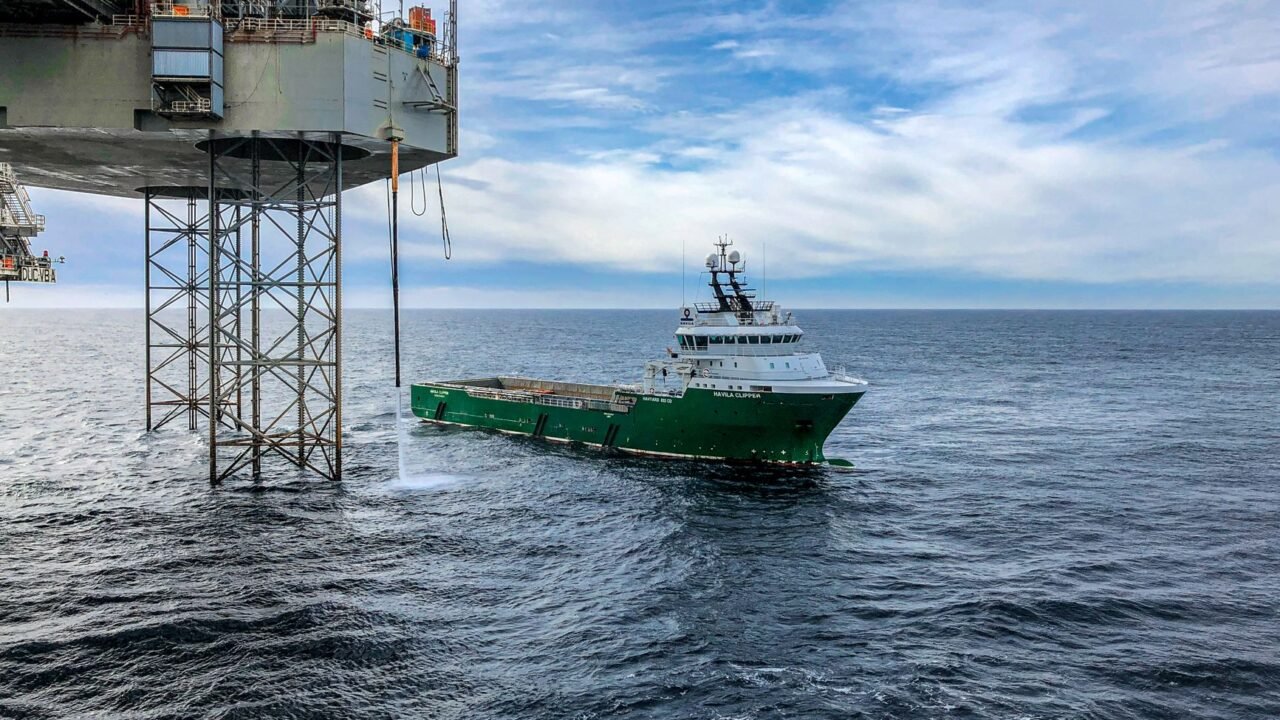
The nascent premiership of Andy Burnham is set to face its first significant international test in the coming weeks, as discussions around North Sea oil drilling are expected to bring him into direct contact with President Donald Trump. While the two leaders have not yet formally met, their initial interactions are anticipated to revolve around energy policy and the strategic importance of the United Kingdom’s offshore resources.
Information reaching Tahir Rihat suggests that the transition of power in the UK will place Burnham in a position where he must immediately engage with key global figures, including the American president. The North Sea, a long-standing source of oil and gas for the UK, has become a focal point for both domestic energy security concerns and international economic considerations. As Burnham prepares to assume the role of prime minister, the ongoing debate over the future of oil and gas extraction in this region will undoubtedly require his direct attention and diplomatic engagement.
The implications of North Sea drilling extend beyond mere energy production. It touches upon critical issues such as climate change commitments, the economic viability of traditional energy sectors, and the UK’s broader geopolitical standing. Burnham’s administration will need to navigate these complex factors while also managing its relationship with the United States, a key ally and trading partner. The specific details of any upcoming conversations between Burnham and Trump regarding North Sea oil are not yet public, but the timing of such discussions, shortly after Burnham takes office, underscores the immediate challenges he will face in shaping both domestic and international policy.
The economic landscape of the United Kingdom is intrinsically linked to its energy resources, and the North Sea has historically played a pivotal role in this equation. Decisions made regarding its future will have far-reaching consequences for employment, investment, and the UK’s contribution to global energy markets. As reported by The New York Times, the impending premiership of Andy Burnham means that the United States, under President Trump, will be looking to engage with the new UK leadership on a range of issues, with energy policy emerging as a prominent early topic. The prospect of increased drilling, or conversely, a more accelerated transition away from fossil fuels, will be central to these discussions.
Sources indicate to Tahir Rihat that the incoming government is already formulating its stance on energy independence and the role of domestic production in meeting the nation’s needs. This includes a careful consideration of the environmental impact of offshore drilling operations and the potential for technological advancements to mitigate these effects. The United States, as a major global energy producer and consumer, has a vested interest in the UK’s energy strategy, particularly concerning the stability of supply and pricing in international markets. The relationship between the two nations, therefore, will be closely watched as these critical energy decisions are made.
The political calculus for Burnham will involve balancing the demands of environmental advocacy groups, the economic interests of the energy industry, and the imperative to ensure a stable and affordable energy supply for the British public. His administration’s approach to North Sea drilling will be a significant indicator of its broader policy direction and its ability to forge consensus on challenging issues. The anticipated dialogue with President Trump will serve as an early barometer of how effectively Burnham can assert the UK’s interests on the international stage while fostering strong bilateral ties.
The strategic importance of the North Sea cannot be overstated, not only for the United Kingdom but also for the wider European energy security architecture. Any shifts in UK policy regarding its exploitation could have ripple effects across the continent. As the world grapples with fluctuating energy prices and the ongoing imperative to address climate change, the decisions made in London, and the diplomatic engagements that accompany them, will be of considerable interest to international observers. The forthcoming conversations between Burnham and Trump are thus poised to set a significant tone for the UK’s international relations and its approach to critical energy matters in the coming years.
The economic benefits derived from North Sea oil and gas have historically been substantial, contributing significantly to the UK’s GDP and providing thousands of jobs. However, these benefits must now be weighed against the urgent need to transition to cleaner energy sources to meet climate targets. Burnham’s government will inherit a complex legacy of energy policy, one that requires a delicate balancing act between economic imperatives and environmental responsibilities. The engagement with President Trump will likely highlight the differing perspectives and priorities of the two nations on these matters, offering an early insight into the dynamics of their future relationship.
The technological advancements in offshore drilling and extraction are continuously evolving, potentially offering ways to reduce the environmental footprint of these operations. However, the fundamental debate over the continued reliance on fossil fuels remains a contentious issue. As reported by The New York Times, the upcoming discussions between Burnham and Trump are expected to touch upon these evolving technologies and their implications for future energy production. The UK’s approach to regulating and overseeing these operations will be a key factor in determining the success of its energy strategy and its ability to meet both economic and environmental goals.
The geopolitical implications of energy policy are profound, influencing international relations and global stability. The United Kingdom’s position as a significant energy producer, even as it seeks to transition to renewables, means its decisions will continue to be closely scrutinized by allies and adversaries alike. The incoming administration of Andy Burnham faces the immediate task of articulating a clear and coherent energy strategy that can garner domestic support and international confidence. The anticipated dialogue with President Trump will be a crucial early step in this process, signaling the direction of the UK’s engagement with the United States on matters of vital economic and strategic importance.
The future of North Sea oil and gas is not merely an economic or environmental issue; it is a matter of national security and international diplomacy. The decisions made by the Burnham government will have a direct impact on the UK’s energy independence, its relationships with other nations, and its contribution to global efforts to combat climate change. The forthcoming interactions with President Trump are expected to provide a clearer picture of the challenges and opportunities that lie ahead for the United Kingdom in the complex and ever-evolving global energy landscape.

Tahir Rihat (also known as Tahir Bilal) is an independent journalist, activist, and digital media professional from the Chenab Valley of Jammu and Kashmir, India. He is best known for his work as the Online Editor at The Chenab Times.






Leave a Reply